
Suzhou Travel Guide: Your Complete Guide to the Venice of the East
Everything you need to know: Classical garden tickets, canal boat rides, Tongli water town access, authentic noodle shops, scam prevention, and hidden garden gems
Discover classical gardens, ancient canals, silk museums, and water towns. In-depth guide for Western visitors.
Why Suzhou? Quick Overview
Everything Western visitors need to know before booking
Classical Garden Paradise
9 UNESCO World Heritage gardens - 'Gardens of Suzhou' are China's finest
Humble Administrator's Garden, Pingjiang Road, and ancient water towns
Sweet Suzhou Cuisine & Noodles
From sweet-savory dishes to hand-pulled noodles
Fine dining, street food, everything available
Budget-Friendly ($45-125/day)
Affordable: 4-star hotels at $65/night, metro rides at $0.50
Deep version guide includes WeChat/Alipay payment setup guide
Beyond Tourist Traps
Deep version guide includes practical anti-scam tips to avoid being cheated
Common local scams, overcharging, and more
🏔️ Planning a Road Trip in Western China?
Get our FREE high-altitude driving safety guide before you go!
High-Altitude Driving Essentials
Get 5 Must-Know Tips for Safe Western China Roads (FREE PDF)
Top 5 Must-Visit Attractions in Suzhou
With prices, transport directions, and insider tips to avoid crowds
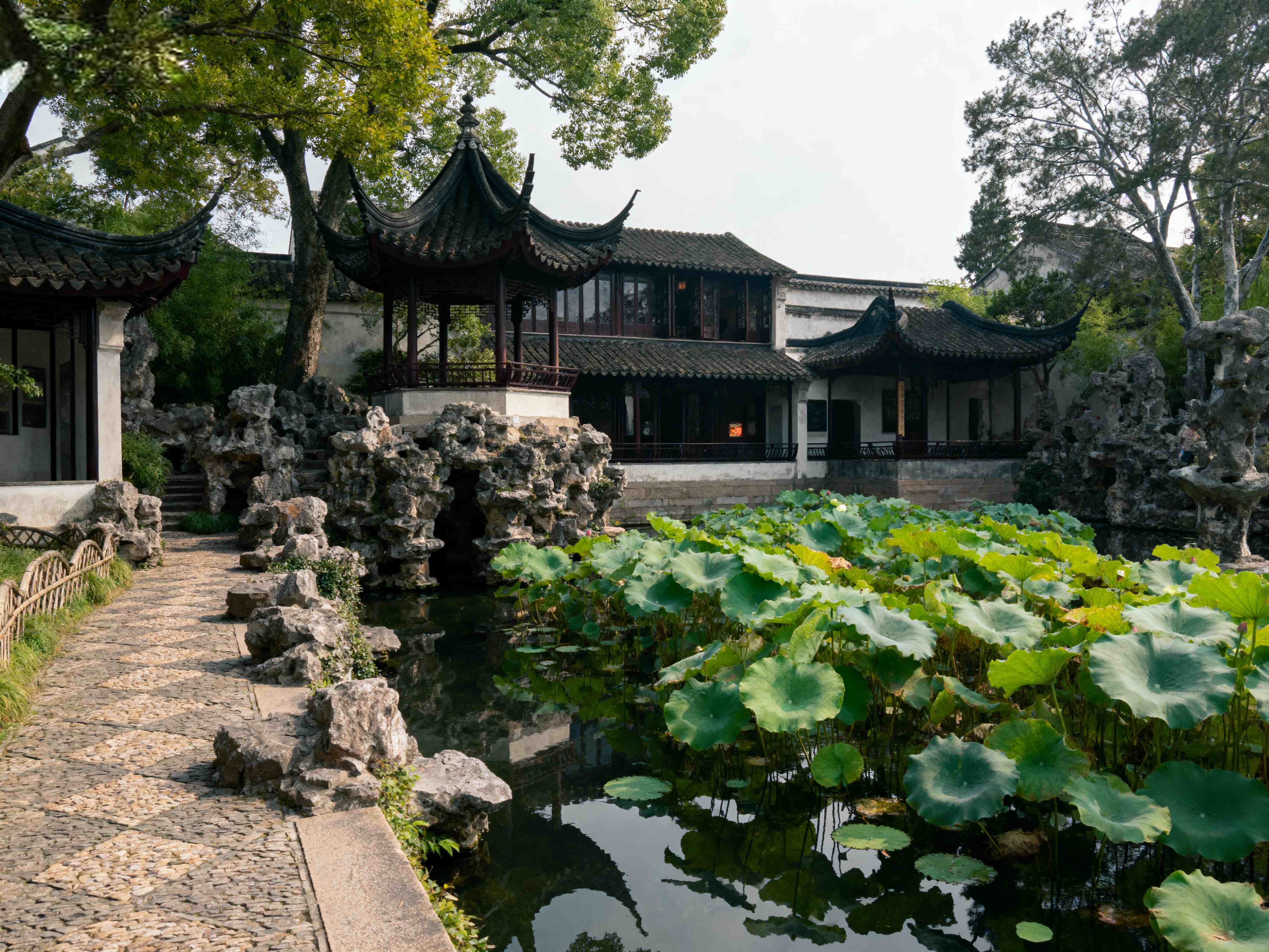
1. Humble Administrator's Garden
$12 entrance (summer), $10 (winter)Largest and most famous classical garden in Suzhou. UNESCO World Heritage Site with ponds, pavilions, and rockeries.
🚇 How to get there: Subway Line 4 to Beisita Road station or bus 202/529
💡 Pro tip: Go early (7:30am) to avoid tour groups. Spring (April-May) is best for flowers. Audio guide available.
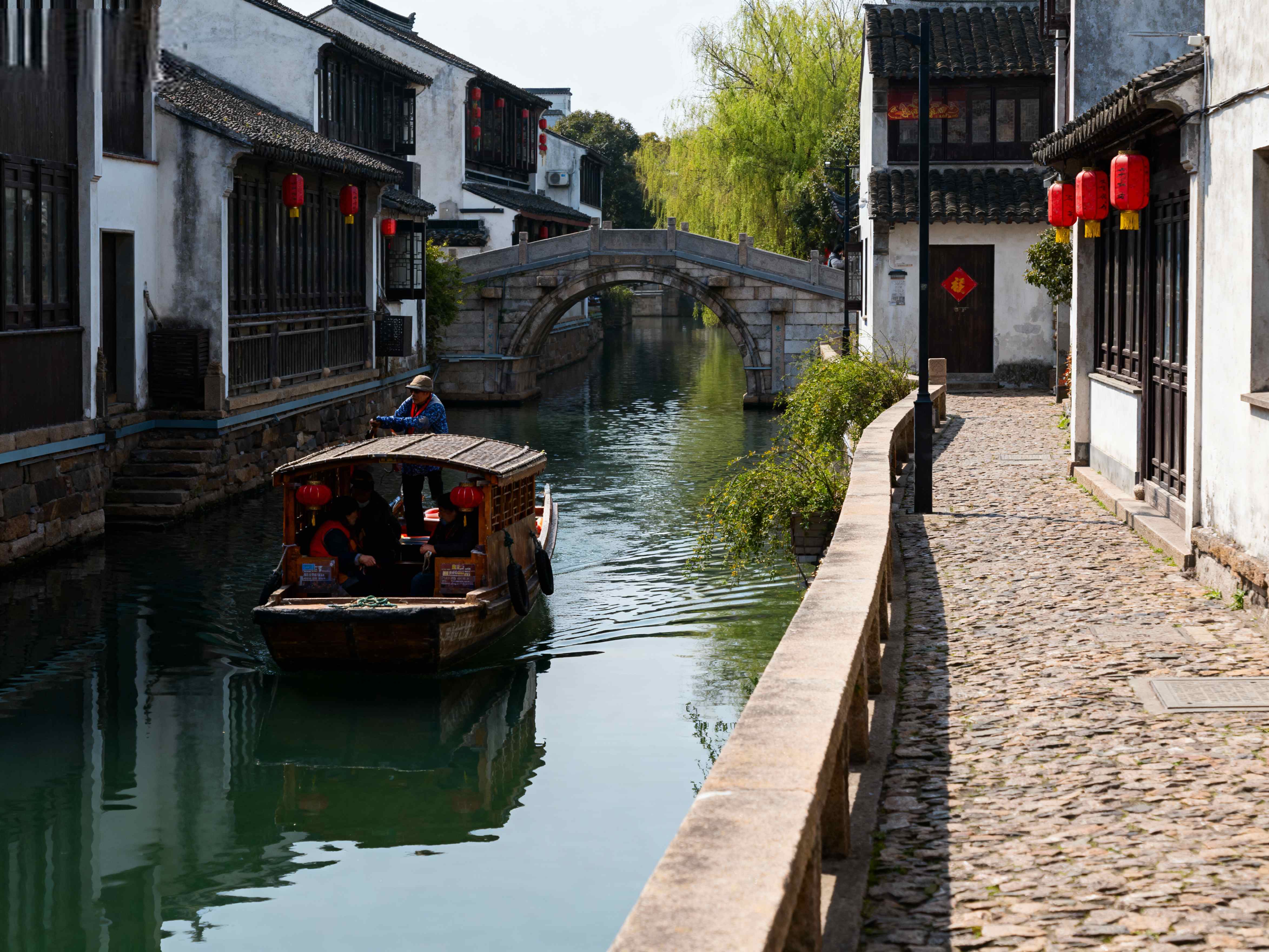
2. Pingjiang Road
Free (shops/cafes vary)Ancient canal street with traditional architecture, teahouses, and boutique shops. Less touristy than Shantang Street.
🚇 How to get there: Subway Line 1 to Xiangmen station, then 10-min walk
💡 Pro tip: Evening is magical with lanterns. Try Suzhou-style noodles. Boat rides available ($10).
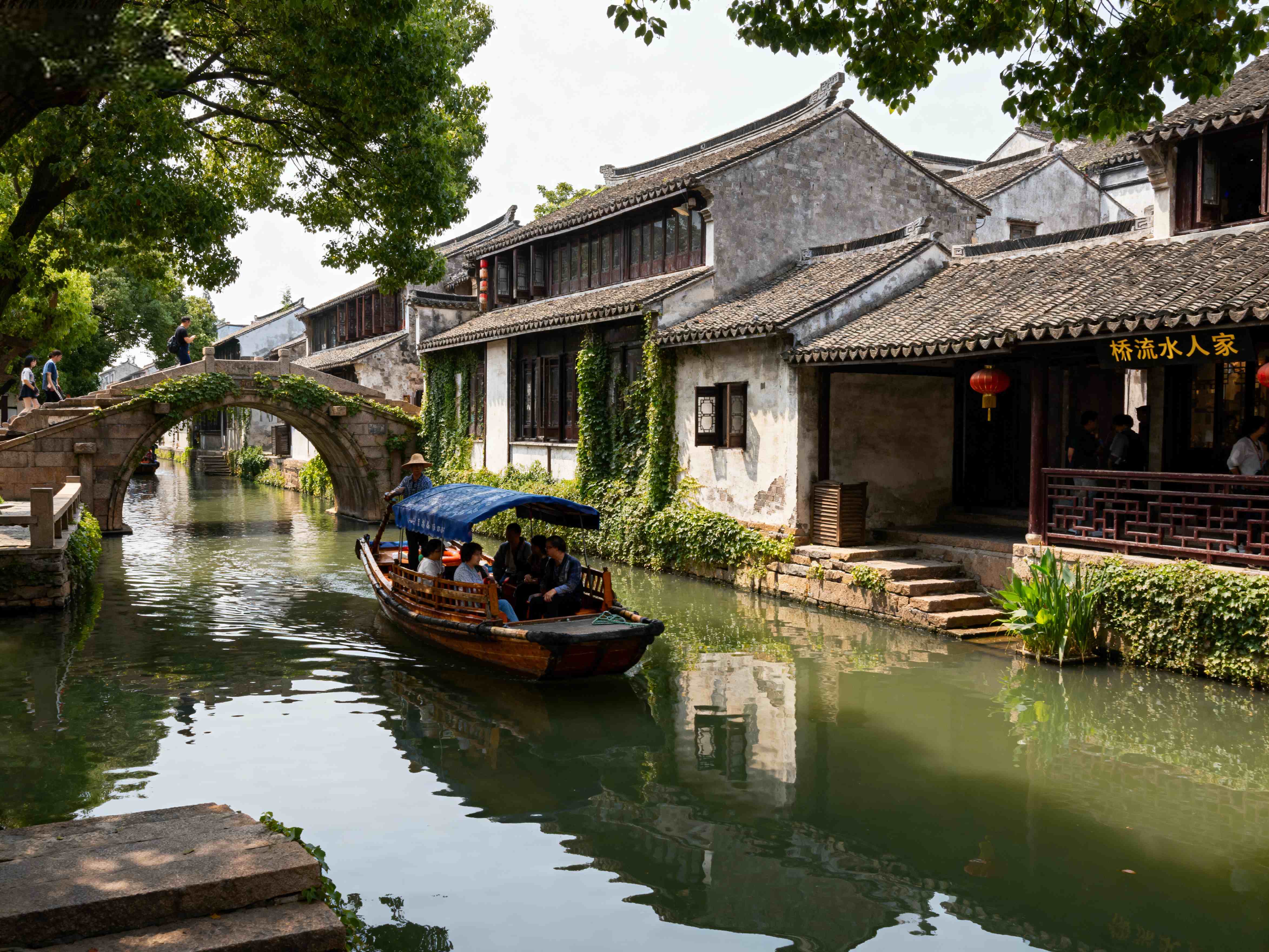
3. Tongli Water Town
$20 entrance (includes all attractions)Authentic water town with canals, stone bridges, and Ming-Qing architecture. Less commercialized than Zhouzhuang.
🚇 How to get there: Bus from Suzhou North Bus Station (30 min) or private tour
💡 Pro tip: Stay overnight for peaceful morning. Boat rides included. Try local specialty: zhuangyuan hoof (pork).
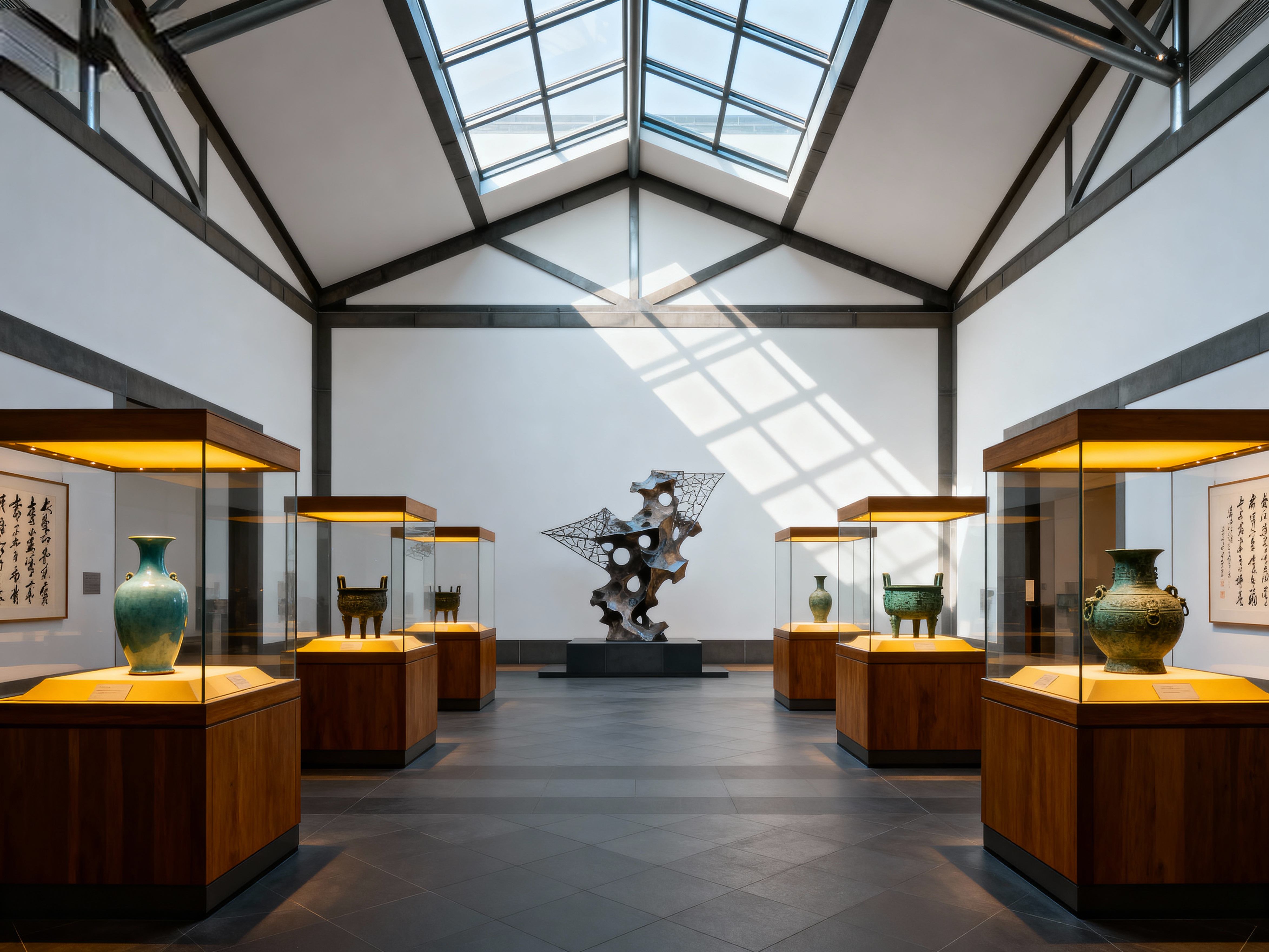
4. Suzhou Museum
Free (book online)Modern museum designed by I.M. Pei with ancient artifacts and beautiful architecture. Free admission!
🚇 How to get there: Subway Line 4 to Beisita Road station (next to Humble Administrator's Garden)
💡 Pro tip: Book tickets 1 day in advance. Combine with garden visit. Museum shop has unique souvenirs.
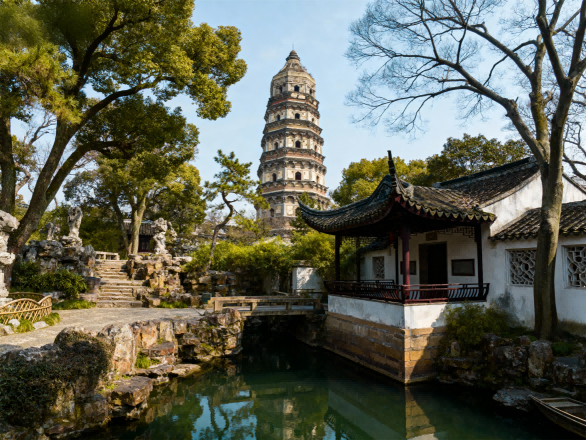
5. Tiger Hill
$10 entranceLeaning pagoda (Yunyan Pagoda) and scenic hill with 2,500 years of history. Suzhou's most famous landmark.
🚇 How to get there: Bus 32/146/游1 from city center or taxi
💡 Pro tip: Climb to pagoda for city views. Spring has peony festival. Sword Pool legend is fascinating.
Practical Travel Tips for Suzhou
Answers to the most common questions from Western travelers
Is WeChat Pay/Alipay mandatory? Can I use credit cards?
Most restaurants and shops prefer mobile payments, but tourist sites accept cash (CNY) and some take Visa/Mastercard. Our guide includes step-by-step WeChat Pay setup for foreigners (requires Chinese bank account OR use Tour Pass feature for tourists). ATMs are everywhere - Bank of China has best rates.
Is it safe for foreigners to travel alone in Suzhou?
Yes! Suzhou is very safe and tourist-friendly. Main concerns: fake silk products (buy from reputable shops), overpriced water town tours (book online), and pickpockets in crowded gardens on weekends. Our deep version guide lists common precautions and anti-scam tips.
Where to stay? Hotels with English-speaking staff?
Stay near Pingjiang Road or Guanqian Street for convenience. Recommended: Suzhou Marriott Hotel ($90/night), Pingjiang Lodge ($120, boutique in old house), or Airbnb near Pingjiang Road ($45). All major chains have English staff.
How to get from airport to city?
Suzhou has small airport - most visitors fly to Shanghai Pudong (90 min by train). From Suzhou airport: bus to city $5, 40 min. Didi $15-20. High-speed train from Shanghai: 30 min, $8.
Can I eat street food safely? Vegetarian options?
Yes! Try Suzhou-style noodles, sweet and sour Mandarin fish, and squirrel-shaped Mandarin fish. Pingjiang Road has safe street food. Vegetarian? Buddhist restaurants near temples serve veggie dishes.
Common scams to avoid?
Fake silk products (buy from museum shop or certified stores), overpriced water town tours (book online for $15, not $50 from hotels), and 'art student' tea ceremony scams. Our deep version PDF guide includes detailed descriptions of all common scams and how to avoid them.
My Personal Experience in Suzhou
Suzhou: A City of Charm and Modernity
Suzhou is a special city that perfectly blends the gentle charm of a Jiangnan water town with the vitality of a modern metropolis.
I’ve traveled to Suzhou three times, and I also worked in Zhangjiagang (a city under Suzhou's jurisdiction) for three months.
First Visit to Suzhou
My first trip to Suzhou was in May 2013. I was in Shanghai for the weekend and decided to visit Suzhou with my colleagues. However, we had a bad experience when we got off at Suzhou Railway Station. Someone approached us, offering a “free” tour to several attractions and selling discounted tickets for 50 yuan. We were naïve and believed them. We planned to visit the Humble Administrator's Garden, but instead, we were taken to a fake garden. We ended up wasting both time and money.
Suzhou is famous for its gardens, but first-time visitors often have difficulty distinguishing the genuine ones from the tourist traps. We were supposed to visit the Humble Administrator's Garden, but we were scammed out of the entrance fee. From that experience, I learned that it’s important for first-time visitors to do some research and differentiate between legitimate attractions and scams.
Later, my colleagues and I visited Pingjiang Road and the Suzhou Museum, both of which were worth seeing.

Couchsurfing in Suzhou
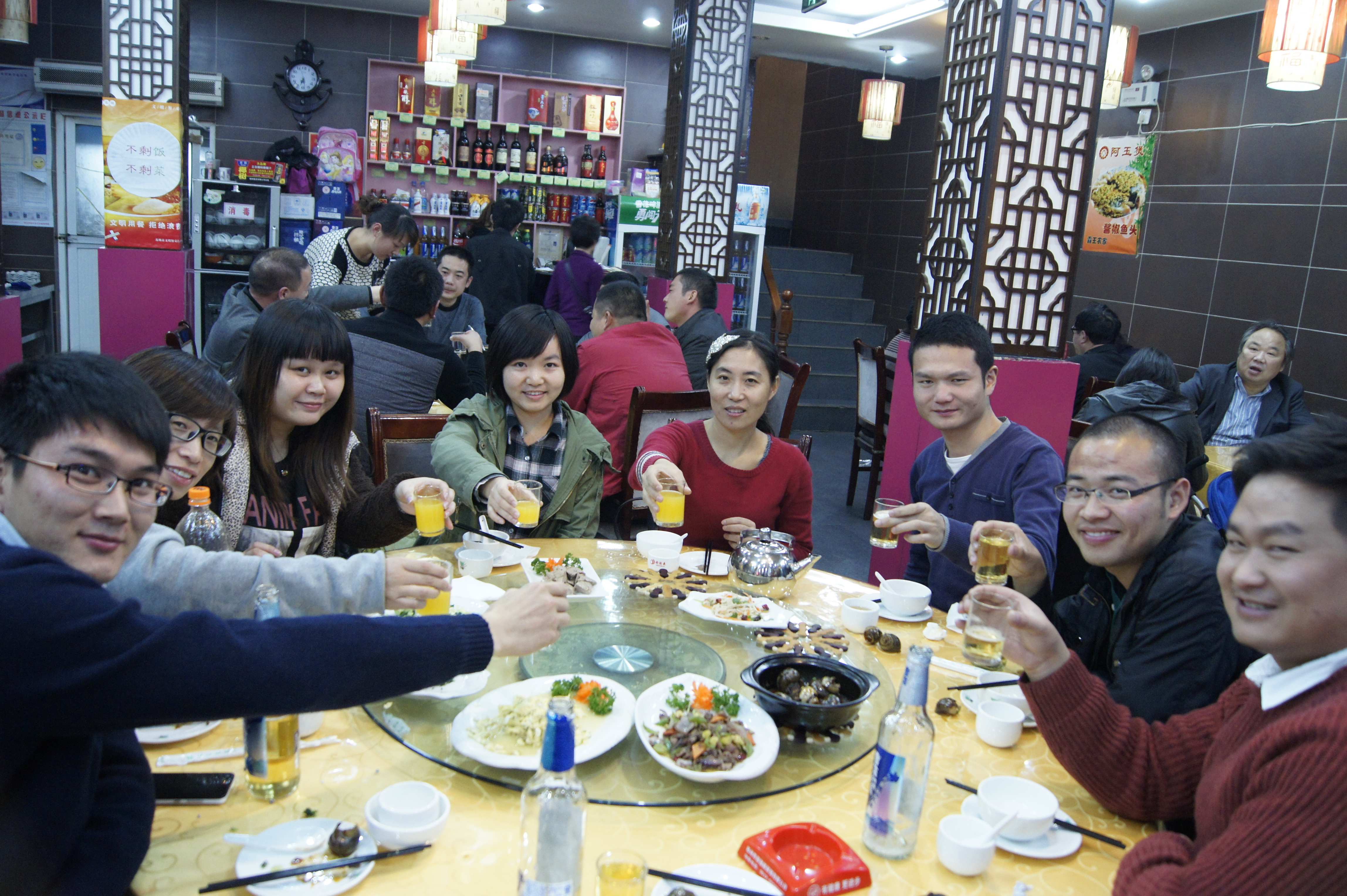
My second trip to Suzhou was in November 2013 for a Couchsurfing gathering. Back then, Couchsurfing was still a relatively new concept in China, though it was already quite popular in the West. I was part of this trend and met a group of like-minded friends at the gathering. As Confucius said, “Is it not delightful to have friends coming from afar?”
Living in Kunshan
The third time I visited Suzhou was this year, when I went to my cousin’s house in Kunshan, a city near Suzhou. Kunshan is located very close to Shanghai, and many people who work in Shanghai buy houses there, as housing prices are much lower than in Shanghai. Living in Kunshan allows them to enjoy the convenience of being near both cities.
Working in Zhangjiagang
During the six months I worked in Zhangjiagang, Suzhou, I was a marketing e-commerce specialist at a laser marking equipment company. My job involved managing the company’s e-commerce platform. I only worked there for three months because I couldn’t stand sitting in the office every day and wanted to pursue my own project. Eventually, I moved to Yixing, Wuxi, to start an e-commerce business selling Zisha teapots.
Suzhou’s Economic Growth and Industrial Development
Suzhou is unique in many ways. Because of its proximity to Shanghai, it was one of the first cities to benefit from Shanghai's manufacturing relocation. Many manufacturing companies set up shop in Suzhou Industrial Park, helping drive the city’s rapid economic growth. This growth created the “Southern Jiangsu Model,” which combined industrial development with modern service sectors.
Suzhou's proximity to Shanghai also means that many foreign companies have their headquarters in Shanghai but production bases in Suzhou. This has allowed many factories in Suzhou to operate on a two-day weekend schedule, which isn’t common in other cities. This geographical advantage has helped Suzhou maintain a crucial position in the Yangtze River Delta integration process.
Today, Suzhou still retains the charm of classical gardens and flowing water while fostering a thriving high-tech industry and modern services. The modern skyline around Jinji Lake now complements the ancient white-walled, black-tiled houses that dot the city.
Suzhou’s Transportation and Challenges
Unlike Nanjing, Suzhou isn't a provincial capital, so its transportation infrastructure isn't as developed. However, Suzhou is conveniently located near Shanghai, which makes traveling to and from the city easy.
Suzhou is a typical city on a plain, which doesn’t lend itself to the preservation of ancient historical sites. In ancient times, plain cities like Suzhou weren’t suitable for defense and often changed hands quickly. This is why Suzhou never became a political center.
Suzhou’s Silk Industry
Suzhou is famous for its silk industry. The region’s water towns are perfect for silk cultivation, and modern industrial development in the area has helped establish Suzhou as a major silk producer. The silk textile industry laid the foundation for Suzhou's industrial and commercial prosperity.
What to Do in Suzhou
If you’re visiting Suzhou, I recommend exploring the Jiangnan gardens. But be careful to avoid scams—do your research beforehand. You can buy silk souvenirs, but be sure to avoid touristy areas where prices are inflated and counterfeit products are sold. Shopping in established shops or silk markets in the city center ensures better quality.
Suzhou's natural landscapes are relatively limited, so if you’re seeking dramatic scenery, consider visiting Huangshan in Anhui or the western parts of China instead.
How Long to Stay
Two days is generally enough for a trip to Suzhou. If you're in Shanghai, it's easy to take a high-speed train and visit Suzhou for the day—it’s only a 30-minute ride.
Final Thoughts
Overall, Suzhou is a city that combines traditional charm with modern growth. It’s a great place to visit, especially if you’re interested in gardens and silk. However, if you're seeking natural beauty, there are better options elsewhere. Still, Suzhou’s proximity to Shanghai makes it an ideal destination for a short trip or a business visit.
I wish everyone a pleasant trip to Suzhou, whether you're here for tourism or work.
Comments (0)
Frequently Asked Questions About Suzhou
Real questions from travelers planning their trip
Q1: What are the biggest mistakes Western visitors make in Suzhou, and how can I avoid them?
Mistake #1: Only visiting Humble Administrator's Garden and missing other gardens. #2: Buying fake silk from street vendors. #3: Visiting on weekends (gardens are packed). #4: Not exploring Pingjiang Road at night. #5: Skipping water towns (Tongli is worth it!). #6: Taking overpriced hotel tours to water towns.
Q2: As a foreigner, how long can I stay in China visa-free? Where can I check this information?
Visa-free duration varies by nationality (typically 15-30 days for eligible countries). Check official sources: a) Ministry of Foreign Affairs of the People's Republic of China - Consular Service website, b) National Immigration Administration of China official platform, c) Chinese Embassy/Consulate in your home country. Requirements and eligible countries change frequently, so always verify before booking flights.
Q3: Do I need travel insurance for China, and what should it cover?
Yes, highly recommended! Your insurance should cover: medical emergencies (hospitals may require upfront payment), medical evacuation, trip cancellation/interruption, lost luggage, and personal liability. Ensure it covers adventure activities if you plan hiking (Great Wall) or skiing. Some policies exclude pre-existing conditions. Recommended providers: World Nomads, SafetyWing, or Allianz. Cost: $30-80 for a week. Keep policy documents offline as you may not access cloud storage without VPN.
Q4: Is Didi (China's Uber) safe and easy for foreigners?
Yes! Didi is safe, affordable, and foreigner-friendly. Download the app before arrival and link an international credit card or Alipay/WeChat Pay. The app has English interface. Drivers may not speak English, but the app translates your destination. Safety features: GPS tracking, driver ratings, emergency button. Cost: 50-70% cheaper than taxis. Pro tip: Screenshot your destination in Chinese to show drivers if needed. Avoid unlicensed 'black cabs' at airports.
Q5: Do all hotels accept foreigners, or are some 'Chinese only'?
Not all hotels can accept foreigners - they need a special license to register foreign passports. International chains (Hilton, Marriott, Hyatt) and most 3-star+ hotels in major cities are licensed. Budget hostels and small guesthouses may not be. Always confirm when booking: look for 'accepts foreign guests' or ask directly. Bring your passport - hotels must register you with local police within 24 hours (standard procedure, not concerning).
Latest Travel Tips
Explore More Destinations
Discover other amazing cities in China with our comprehensive travel guides