
Shanghai Travel Guide: Your Complete Guide to China's Most Modern Metropolis
Everything you need to know: Bund photography tips, Yu Garden access, authentic xiaolongbao spots, metro navigation, scam prevention, and hidden French Concession gems
Discover Shanghai's Bund, futuristic skyline, authentic cuisine, and East-meets-West vibe. In-depth travel guide for Western visitors.
Why Shanghai? Quick Overview
Everything Western visitors need to know before booking
East Meets West
Colonial architecture alongside futuristic skyscrapers - experience 150 years of transformation
Art Deco buildings, French Concession, and world's second-tallest tower
Xiaolongbao & International Cuisine
From Michelin-starred restaurants to authentic street food markets
Fine dining, street food, everything available
Mid-Range Budget ($60-200/day)
More expensive than Beijing: 4-star hotels at $100/night, metro rides at $0.50
Deep version guide includes WeChat/Alipay payment setup guide
Beyond Tourist Traps
Deep version guide includes practical anti-scam tips to avoid being cheated
Common local scams, overcharging, and more
🏔️ Planning a Road Trip in Western China?
Get our FREE high-altitude driving safety guide before you go!
High-Altitude Driving Essentials
Get 5 Must-Know Tips for Safe Western China Roads (FREE PDF)
Top 5 Must-Visit Attractions in Shanghai
With prices, transport directions, and insider tips to avoid crowds
-1762568361464.jpg)
1. The Bund (Waitan)
FreeIconic waterfront promenade with colonial architecture and stunning Pudong skyline views. Walk along the Huangpu River at sunset.
🚇 How to get there: Subway Line 2/10 to East Nanjing Road, then 10-min walk
💡 Pro tip: Best at sunset (6-7pm). Combine with Nanjing Road shopping. River cruise available ($15-30).
-1762568375974.jpg)
2. Yu Garden (Yuyuan)
$7 entranceClassical Chinese garden from Ming Dynasty with rockeries, ponds, and traditional pavilions. Adjacent bazaar for souvenirs.
🚇 How to get there: Subway Line 10 to Yuyuan Garden station
💡 Pro tip: Go early (8am) to avoid crowds. Skip overpriced bazaar restaurants. Xiaolongbao nearby at Nanxiang Steamed Bun Restaurant.
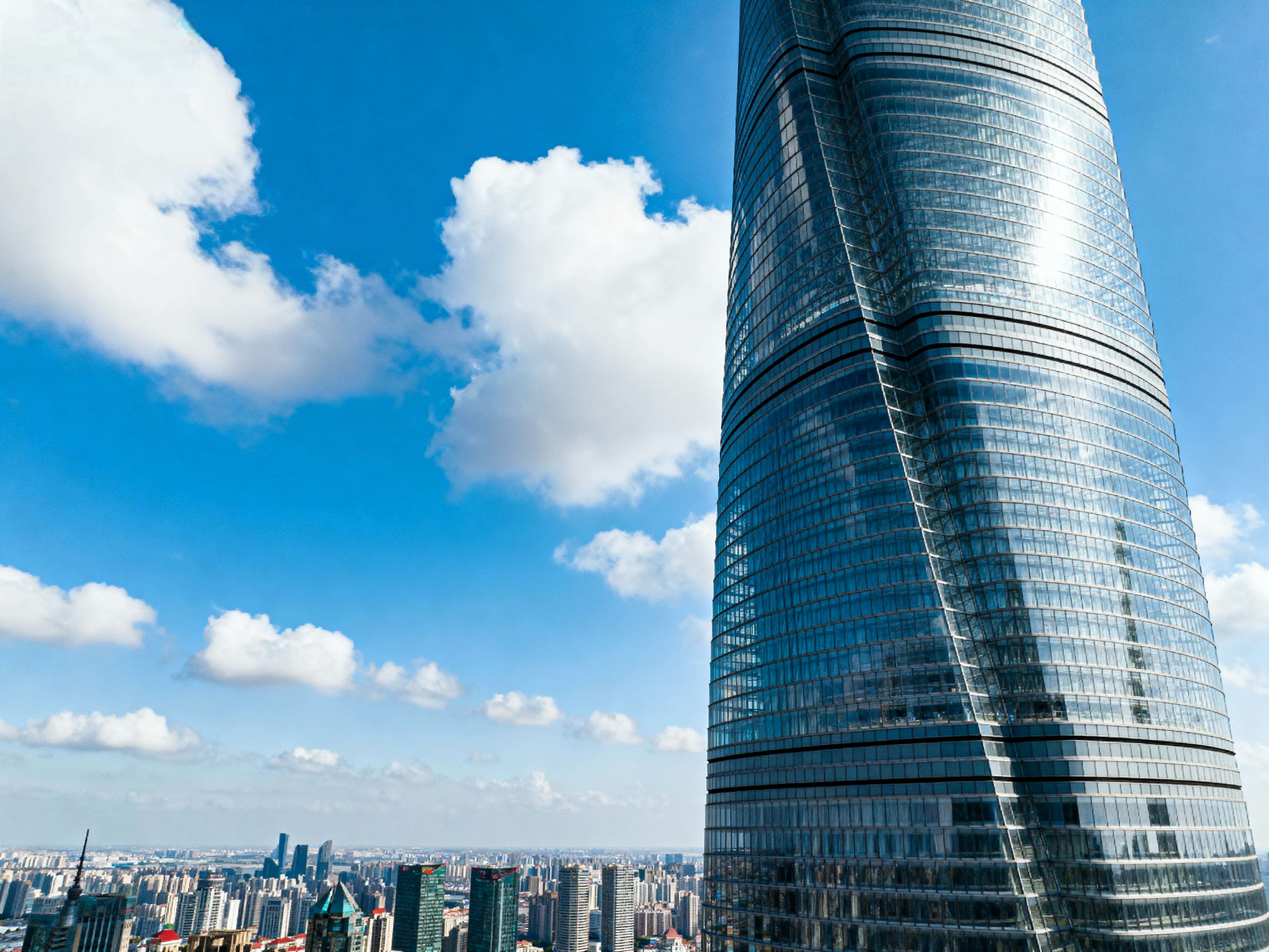
3. Shanghai Tower
$30 observation deckWorld's 2nd tallest building (632m) with observation deck on 118th floor. 360° views of the city.
🚇 How to get there: Subway Line 2 to Lujiazui station
💡 Pro tip: Book tickets online to skip lines. Best on clear days. Combine with Oriental Pearl Tower and Shanghai World Financial Center.
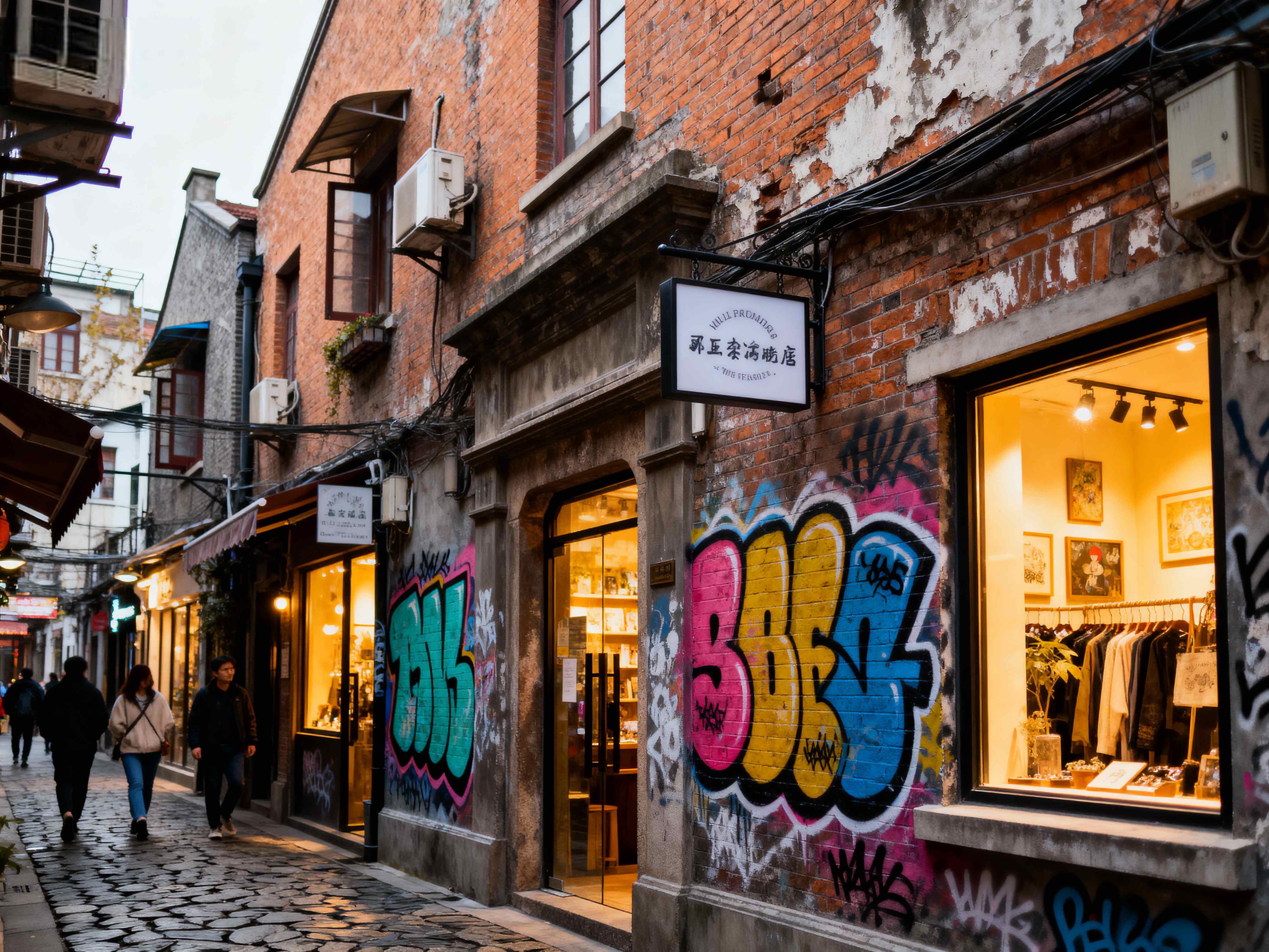
4. Tianzifang
Free (shops/cafes vary)Artsy neighborhood with narrow alleyways, boutique shops, cafes, and galleries. Former Shikumen residential area.
🚇 How to get there: Subway Line 9 to Dapuqiao station
💡 Pro tip: Best in afternoon/evening. Less touristy than Xintiandi. Great for unique souvenirs and coffee.
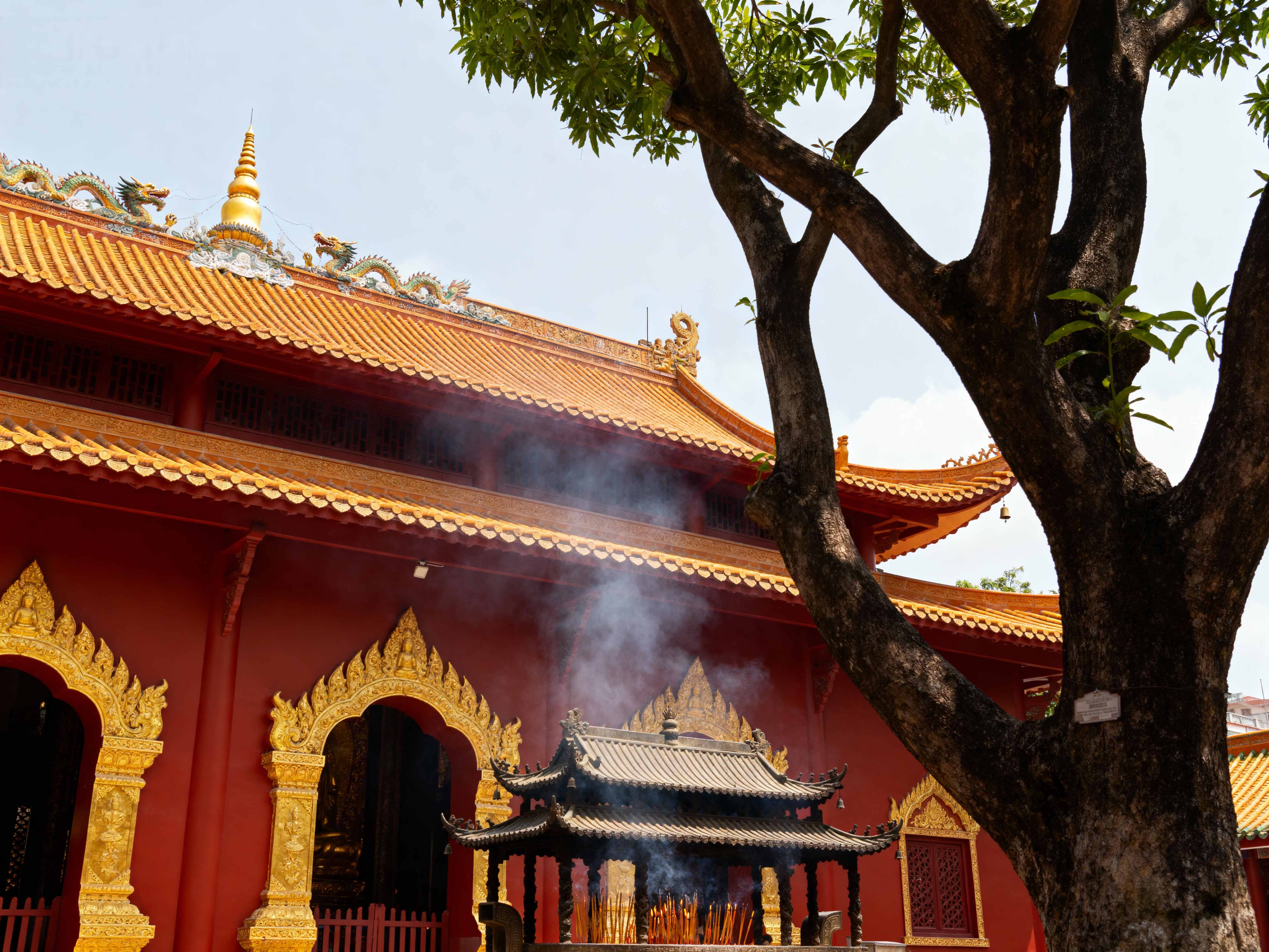
5. Jade Buddha Temple
$5 entranceActive Buddhist temple with two jade Buddha statues from Myanmar. Peaceful escape from city chaos.
🚇 How to get there: Subway Line 13 to Jiangning Road station
💡 Pro tip: Dress modestly. No photos of Buddha statues. Vegetarian restaurant on-site. Incense available for offering.
Practical Travel Tips for Shanghai
Answers to the most common questions from Western travelers
Is WeChat Pay/Alipay mandatory? Can I use credit cards?
Most restaurants and shops prefer mobile payments, but tourist sites accept cash (CNY) and some take Visa/Mastercard. Our guide includes step-by-step WeChat Pay setup for foreigners (requires Chinese bank account OR use Tour Pass feature for tourists). ATMs are everywhere - Bank of China has best rates.
Is it safe for foreigners to travel alone in Shanghai?
Yes! Shanghai is extremely safe for foreigners and more international than Beijing. English is more common here. Main concerns: pickpockets in crowded areas (Nanjing Road, subway), fake goods scams in markets, and overpriced bars in tourist zones (check prices before ordering). Our deep version guide lists common precautions and anti-scam tips.
Where to stay? Hotels with English-speaking staff?
French Concession (trendy cafes, nightlife) or Jing'an District (central, upscale) are best. Recommended: The Waterhouse at South Bund ($150/night, boutique), Puli Hotel ($250, luxury), or Airbnb in French Concession ($60). All major chains have English staff.
How to get from airport to city?
Pudong Airport: Maglev train (world's fastest at 430km/h!) to Longyang Road station: $8, 8 minutes, then transfer to subway. Or subway Line 2 direct to city: $5, 90 minutes. Didi costs $25-40. Hongqiao Airport: Subway Lines 2/10 direct to city.
Can I eat street food safely? Vegetarian options?
Yes! Shanghai has higher food safety standards than most Chinese cities. Try xiaolongbao (soup dumplings) at Jia Jia Tang Bao or Yang's Fry Dumplings. For street food: Wujiang Road Food Street or Yunnan Road. Vegetarian? Try Fu He Hui (Michelin-starred veggie) or Godly Vegetarian.
Common scams to avoid?
Bar scam is most common - attractive locals invite you to a bar, then the bill is $500+. Also watch for: fake Apple stores, tea ceremony scams (same as Beijing), and taxi drivers taking long routes. Our deep version PDF guide includes detailed descriptions of all common scams and how to avoid them.
My Personal Experience in Shanghai
Shanghai: A City that Shaped My Career and Life
I have a special place in my heart for Shanghai, as I lived there for three years. After university, my first job was in Yiwu, Jinhua, Zhejiang. I worked there for four months, followed by two months in Hangzhou. Later, a Shanghai-based boss discovered me online and offered me a job.
I worked in Shanghai for a year before starting my Taobao shop. From that moment, I became a freelancer and rarely took regular jobs.
Being a freelancer gave me plenty of free time and a decent income. I often traveled around Shanghai, living in the Putuo District. This older area, located in the main urban zone, was just a 30-minute taxi ride from Hongqiao Airport, making it very convenient.
The Vibrancy of Putuo District
Putuo is full of life, with its bustling morning markets, the delicious smell of butter from a nearby bakery, and the warm afternoon sun shining on café tables in Changning District. The hurried crowds at Jing'an Temple subway station and the neon lights of the Bund that outline the skyline at night were part of my daily routine.
Shanghai has a unique urban rhythm. The neon lights of Nanjing Road blend with the lively old city, and in Jiading District, history meets modern life, even hosting international motorsport events. On the other side of the river, Pudong’s skyscrapers shoot up like bamboo after rain, with the financial pulse of Lujiazui echoing across the Huangpu River.
Whenever friends visited from out of town, I always took them to stroll along East Nanjing Road. The street was always busy, and walking there felt like stepping into Shanghai’s heart, almost like a time travel back to the Republic of China era. Though the trams are gone, the carved window frames and dappled light under the arcades still tell stories of the past.
How Shanghai Shaped My Perspective
I first visited Shanghai in 2012. Back then, large urban complexes were rare in China, and cities lacked big malls like Wanda. But my neighborhood had several shopping malls within just a kilometer, which felt incredibly convenient.
This was one of the many ways Shanghai showed me how its foundation, rooted in history and rapid development, was built for the future. I frequently visited Pudong Airport, Hongqiao Airport, and Hongqiao Railway Station. Taxis were affordable too—only about 100 RMB from my place to Pudong Airport.
I also rode the Shanghai Maglev train, which wasn’t as smooth as high-speed rail, mainly due to its significant swaying. But the feeling of flying close to the ground was unforgettable.
At that time, subway construction was just beginning in many Chinese cities. Still, Shanghai and Beijing had significantly more subway lines. For instance, Shenzhen had only three, while Shanghai and Beijing each had about fifteen or sixteen. So getting around Shanghai was easy, and it’s even easier now.
Freelancing and the Trade Show Advantage
One major perk of freelancing is the flexible schedule. Running my Taobao shop allowed me to attend numerous trade shows, something I loved about Shanghai. The city has abundant exhibition resources, with large professional shows on almost every theme happening nearly every month. After visiting other cities, I found their exhibitions were much smaller in comparison.
Even after leaving Shanghai, I returned several times, mainly for exhibitions.
The Cost of Living and Lessons Learned
Overall, my time in Shanghai was incredibly positive. However, life there does require certain skills. My rent was 2,300 RMB a month over a decade ago, while the average income at the time was around 3,000 to 4,000 RMB. Despite the high cost, every effort I put into living and working in Shanghai was worthwhile.
The city broadened my horizons, improved my work methods, and taught me the importance of rules and deadlines—lessons that are hard to learn in smaller towns. The fast pace in Shanghai taught me efficiency and how to maintain order under pressure.
A City of Opportunities
Looking back in 2025, Shanghai has changed, but the sense of order and the possibilities it offered still shape my work habits. For anyone interested in understanding China’s economy, seeing its modernization, and experiencing advanced infrastructure, Shanghai is the perfect place to observe and learn.
Whether for business or pleasure, Shanghai is a city that welcomes all.
Comments (0)
Frequently Asked Questions About Shanghai
Real questions from travelers planning their trip
Q1: What are the biggest mistakes Western visitors make in Shanghai, and how can I avoid them?
Mistake #1: Only visiting the Bund and Nanjing Road (too touristy). #2: Not exploring French Concession neighborhoods (best cafes, nightlife). #3: Eating at fake 'Din Tai Fung' restaurants (check addresses). #4: Not downloading VPN before arrival (Google, Facebook blocked). #5: Assuming Shanghai = all of China (it's the most Westernized city). #6: Overpaying for taxis (use Didi app instead).
Q2: As a foreigner, how long can I stay in China visa-free? Where can I check this information?
Visa-free duration varies by nationality (typically 15-30 days for eligible countries). Check official sources: a) Ministry of Foreign Affairs of the People's Republic of China - Consular Service website, b) National Immigration Administration of China official platform, c) Chinese Embassy/Consulate in your home country. Requirements and eligible countries change frequently, so always verify before booking flights.
Q3: Do I need travel insurance for China, and what should it cover?
Yes, highly recommended! Your insurance should cover: medical emergencies (hospitals may require upfront payment), medical evacuation, trip cancellation/interruption, lost luggage, and personal liability. Ensure it covers adventure activities if you plan hiking (Great Wall) or skiing. Some policies exclude pre-existing conditions. Recommended providers: World Nomads, SafetyWing, or Allianz. Cost: $30-80 for a week. Keep policy documents offline as you may not access cloud storage without VPN.
Q4: Is Didi (China's Uber) safe and easy for foreigners?
Yes! Didi is safe, affordable, and foreigner-friendly. Download the app before arrival and link an international credit card or Alipay/WeChat Pay. The app has English interface. Drivers may not speak English, but the app translates your destination. Safety features: GPS tracking, driver ratings, emergency button. Cost: 50-70% cheaper than taxis. Pro tip: Screenshot your destination in Chinese to show drivers if needed. Avoid unlicensed 'black cabs' at airports.
Q5: Do all hotels accept foreigners, or are some 'Chinese only'?
Not all hotels can accept foreigners - they need a special license to register foreign passports. International chains (Hilton, Marriott, Hyatt) and most 3-star+ hotels in major cities are licensed. Budget hostels and small guesthouses may not be. Always confirm when booking: look for 'accepts foreign guests' or ask directly. Bring your passport - hotels must register you with local police within 24 hours (standard procedure, not concerning).
Latest Travel Tips
Explore More Destinations
Discover other amazing cities in China with our comprehensive travel guides