
Nanjing Travel Guide: Your Complete Guide to China's Ancient Capital of Six Dynasties
Everything you need to know: Sun Yat-sen Mausoleum access, Ming City Wall walk, Confucius Temple area, authentic salted duck, scam prevention, and hidden historical sites
Discover Ming City Wall, Sun Yat-sen Mausoleum, Qinhuai River, and salted duck. In-depth guide for Western visitors.
Why Nanjing? Quick Overview
Everything Western visitors need to know before booking
Ancient Capital of Six Dynasties
2,500 years of history - capital of 10 dynasties, Ming Tombs, and Republican-era architecture
Ming City Wall, Sun Yat-sen Mausoleum, and Presidential Palace
Salted Duck & Duck Blood Soup
From Nanjing salted duck to xiaolongbao, the city offers unique Jiangsu cuisine
Fine dining, street food, everything available
Budget-Friendly ($45-130/day)
Affordable city: 4-star hotels at $60/night, metro rides at $0.40
Deep version guide includes WeChat/Alipay payment setup guide
Beyond Tourist Traps
Deep version guide includes practical anti-scam tips to avoid being cheated
Common local scams, overcharging, and more
🏔️ Planning a Road Trip in Western China?
Get our FREE high-altitude driving safety guide before you go!
High-Altitude Driving Essentials
Get 5 Must-Know Tips for Safe Western China Roads (FREE PDF)
Top 5 Must-Visit Attractions in Nanjing
With prices, transport directions, and insider tips to avoid crowds
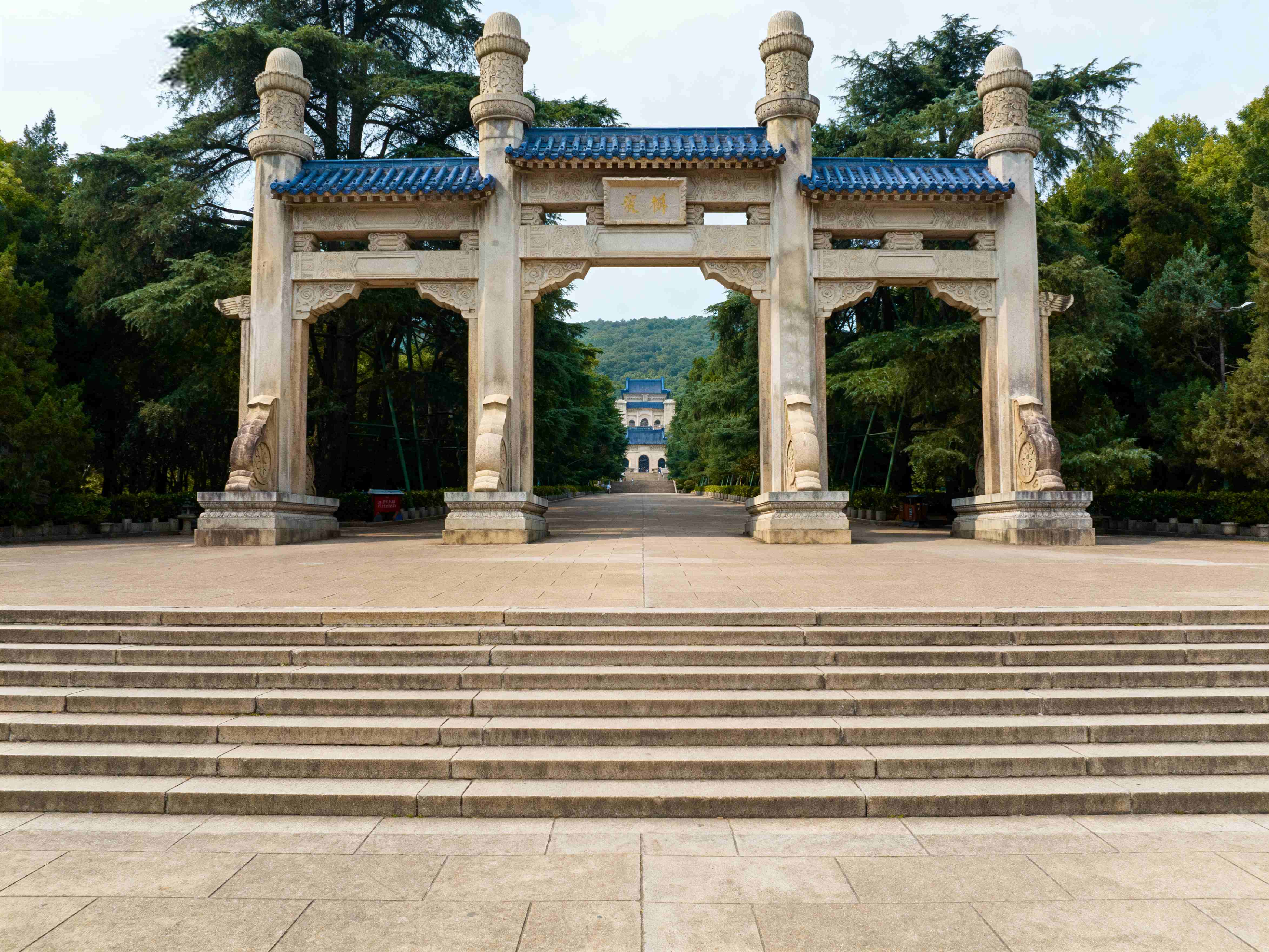
1. Sun Yat-sen Mausoleum
Free (book online)Grand mausoleum of China's founding father. 392 steps up Purple Mountain. Stunning architecture and history.
🚇 How to get there: Subway Line 2 to Xiamafang, then bus or taxi
💡 Pro tip: Book tickets 1 day in advance. Climb all 392 steps for respect. Best in spring for cherry blossoms. Combine with Ming Tomb.
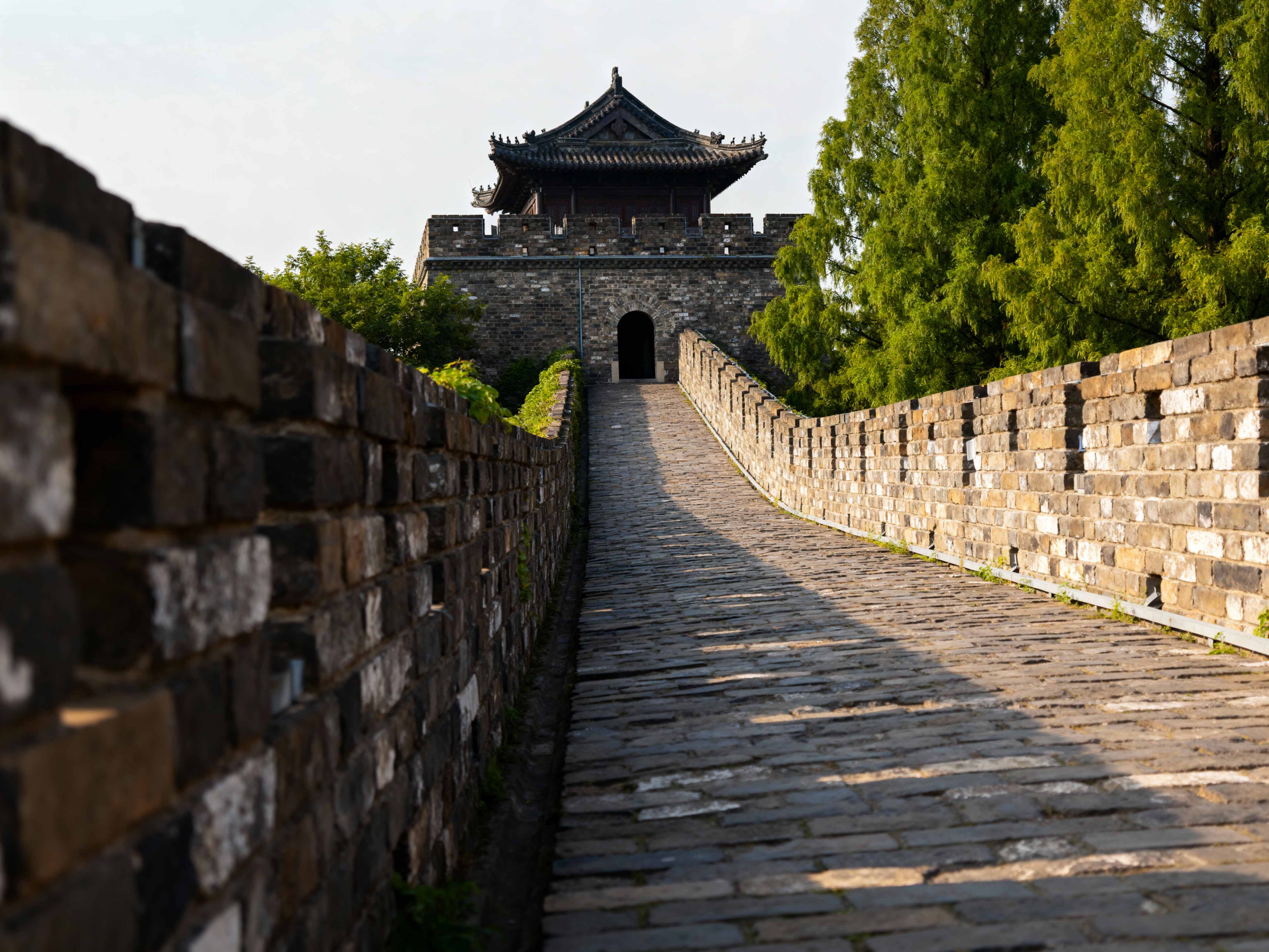
2. Ming City Wall
$5-10 (varies by section)Best-preserved ancient city wall in China (35km). Walk or bike along the ramparts.
🚇 How to get there: Multiple access points - Zhonghua Gate is most famous
💡 Pro tip: Zhonghua Gate section is best. Rent bike to cover more distance. Sunset views are stunning. Less crowded than Beijing wall.
-1762572689164.jpg)
3. Confucius Temple (Fuzimiao)
Free (temple $5)Historic temple complex with Qinhuai River, night market, and traditional architecture.
🚇 How to get there: Subway Line 1/3 to Fuzimiao station
💡 Pro tip: Best at night for lanterns and lights. Boat cruise on Qinhuai River ($10). Try duck blood soup and salted duck.
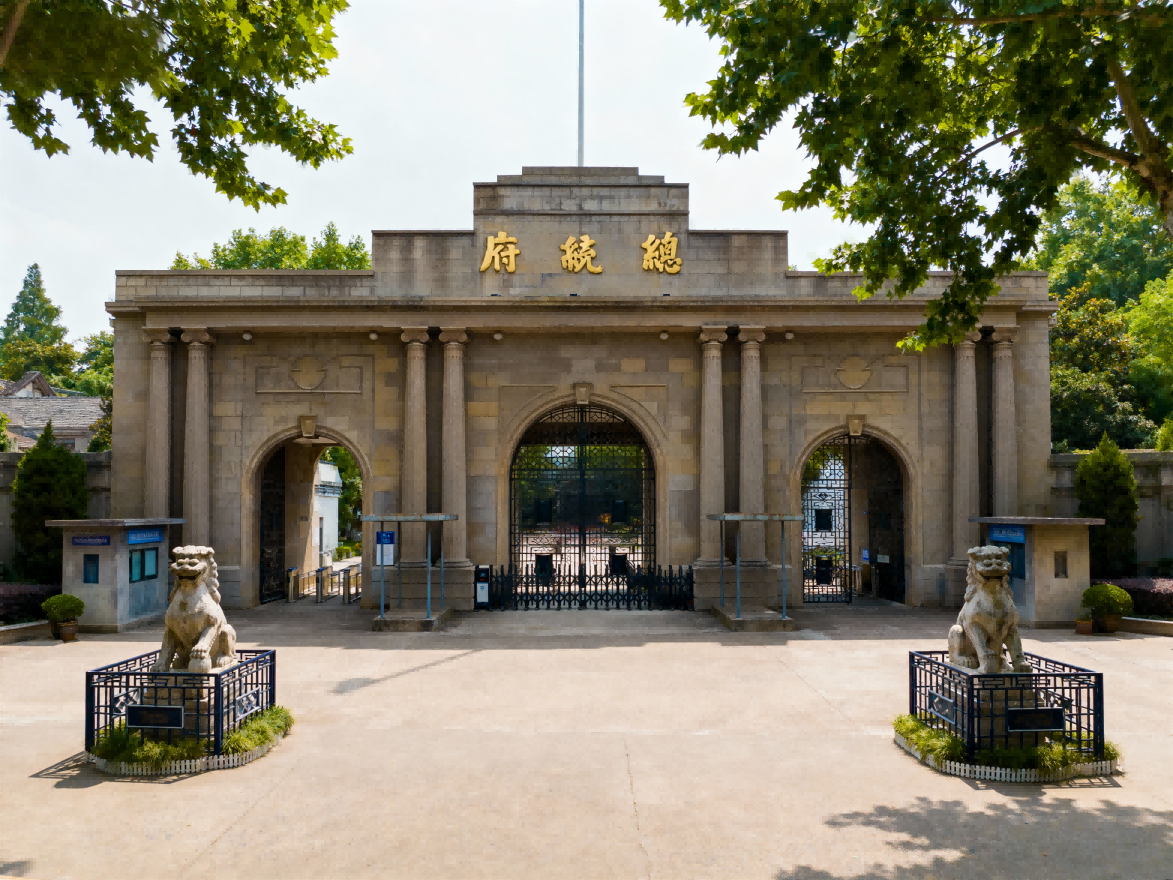
4. Presidential Palace
$7 entranceFormer office of Sun Yat-sen and Chiang Kai-shek. Beautiful gardens and Republican-era architecture.
🚇 How to get there: Subway Line 2/3 to Daxinggong station
💡 Pro tip: English audio guide available. Gardens are peaceful. Rich history from Qing to Republic era. Not crowded.
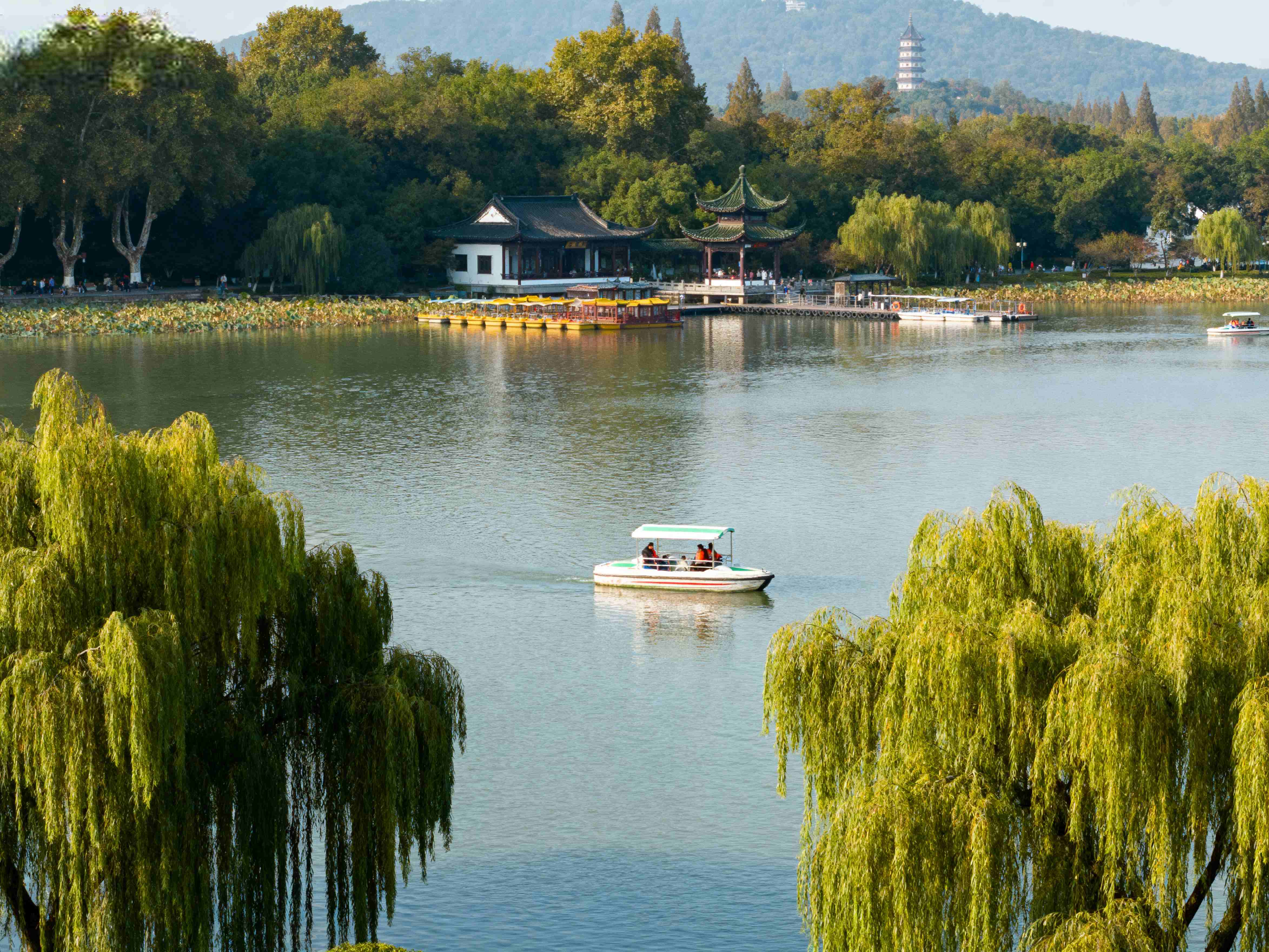
5. Xuanwu Lake Park
FreeLarge urban park with lake, islands, and city wall views. Cherry blossoms in spring.
🚇 How to get there: Subway Line 1 to Xuanwumen station
💡 Pro tip: Rent paddle boat ($10/hour). Best in spring (March-April) for cherry blossoms. Great for jogging and relaxing.
Practical Travel Tips for Nanjing
Answers to the most common questions from Western travelers
Is WeChat Pay/Alipay mandatory? Can I use credit cards?
Most restaurants and shops prefer mobile payments, but tourist sites accept cash (CNY) and some take Visa/Mastercard. Our guide includes step-by-step WeChat Pay setup for foreigners (requires Chinese bank account OR use Tour Pass feature for tourists). ATMs are everywhere - Bank of China has best rates.
Is it safe for foreigners to travel alone in Nanjing?
Yes! Nanjing is very safe and has a significant expat community. Main concerns: pickpockets at Confucius Temple and tourist sites, aggressive souvenir sellers, and taxi drivers taking long routes (use Didi instead). The city is modern and well-organized. Our deep version guide lists common precautions and anti-scam tips.
Where to stay? Hotels with English-speaking staff?
Xinjiekou (city center, shopping) or Confucius Temple area (historic, nightlife). Recommended: Jumeirah Nanjing ($120/night, luxury), Hanting Hotel ($35, budget chain), or Airbnb near Xuanwu Lake ($45). All major chains have English staff.
How to get from airport to city?
Airport metro Line S1 to South Station, then transfer to Line 1 or 3 ($3, 1 hour). Airport bus to city center: $5, 50 minutes. Didi costs $25-35. Nanjing has 2 main train stations - Nanjing Station and Nanjing South Station (high-speed trains).
Can I eat street food safely? Vegetarian options?
Yes! Try Nanjing salted duck, duck blood soup, xiaolongbao, and beef pot stickers at Confucius Temple food street. Laomendong has authentic local snacks. Everything is safe! Vegetarian? Buddhist restaurants near Jiming Temple serve veggie dishes. Western cafes in 1912 District.
Common scams to avoid?
Confucius Temple area scams are most common - overpriced souvenirs (bargain to 30% of asking price), fake 'antiques', and tea ceremony scams (strangers invite you to tea house, then charge $100+). Also watch for: rickshaw drivers overcharging, and fake monks asking for donations. Our deep version PDF guide includes detailed descriptions of all common scams and how to avoid them.
My Personal Experience in Nanjing
Nanjing: A City That Always Leaves a Deep Impression
Nanjing is a city that always leaves a deep impression on me.
I visited Nanjing once as a tourist, and more recently, my train to Luoyang passed through it. Each time, the city etched new memories in my mind.

Located on the northern edge of the Yangtze River’s middle and lower plains, where it meets the North China Plain, Nanjing enjoys broad and fertile land. It has long been a crossroads of north–south transportation. The Yangtze River winds through the city like a mighty dragon, dividing it into two parts—the north bank grand and solid, the south bank graceful and serene.
From the train platform, I could faintly see the outline of Purple Mountain in the morning mist, as if an ancient emperor still slumbered there, guarding this six-dynasty capital.
First Visit: February 2014
The first time I visited Nanjing was in February 2014—eleven years ago now—but the memories remain vivid. There is a wealth of history waiting to be uncovered here.
Our first stop was Xinjiekou, often called the “living room of the city.” Beneath its bustling modern façade lies a deep sense of history. Zhongshan Road and Hanzhong Road radiate outward, lined with century-old shops standing beside glittering malls. We had lunch at Xinjiekou—a bowl of braised chicken rice. It was simple but delicious.
Our second stop was the Sun Yat-sen Mausoleum, a must-visit for every traveler to Nanjing. The scenic area around Mount Zhongshan is home to two towering historical figures.
The first is Dr. Sun Yat-sen, regarded as the father of the Republic of China, who devoted his life to national rejuvenation—his ideals still influence people across the strait today.
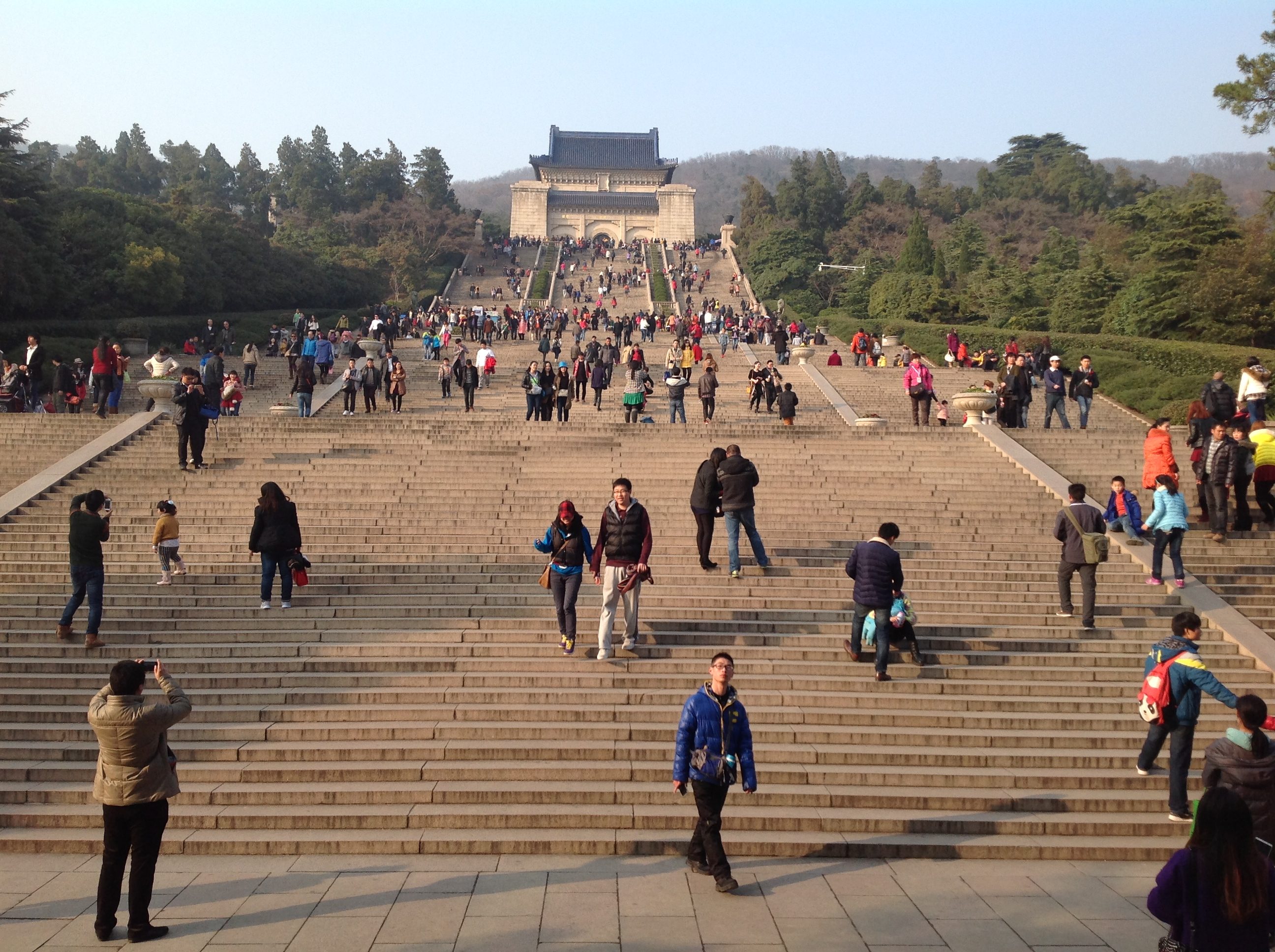
The second is Zhu Yuanzhang, the founding emperor of the Ming Dynasty. His mausoleum, Ming Xiaoling, is grand and solemn. The stone guardians along the path have stood weathered yet dignified for more than six centuries.
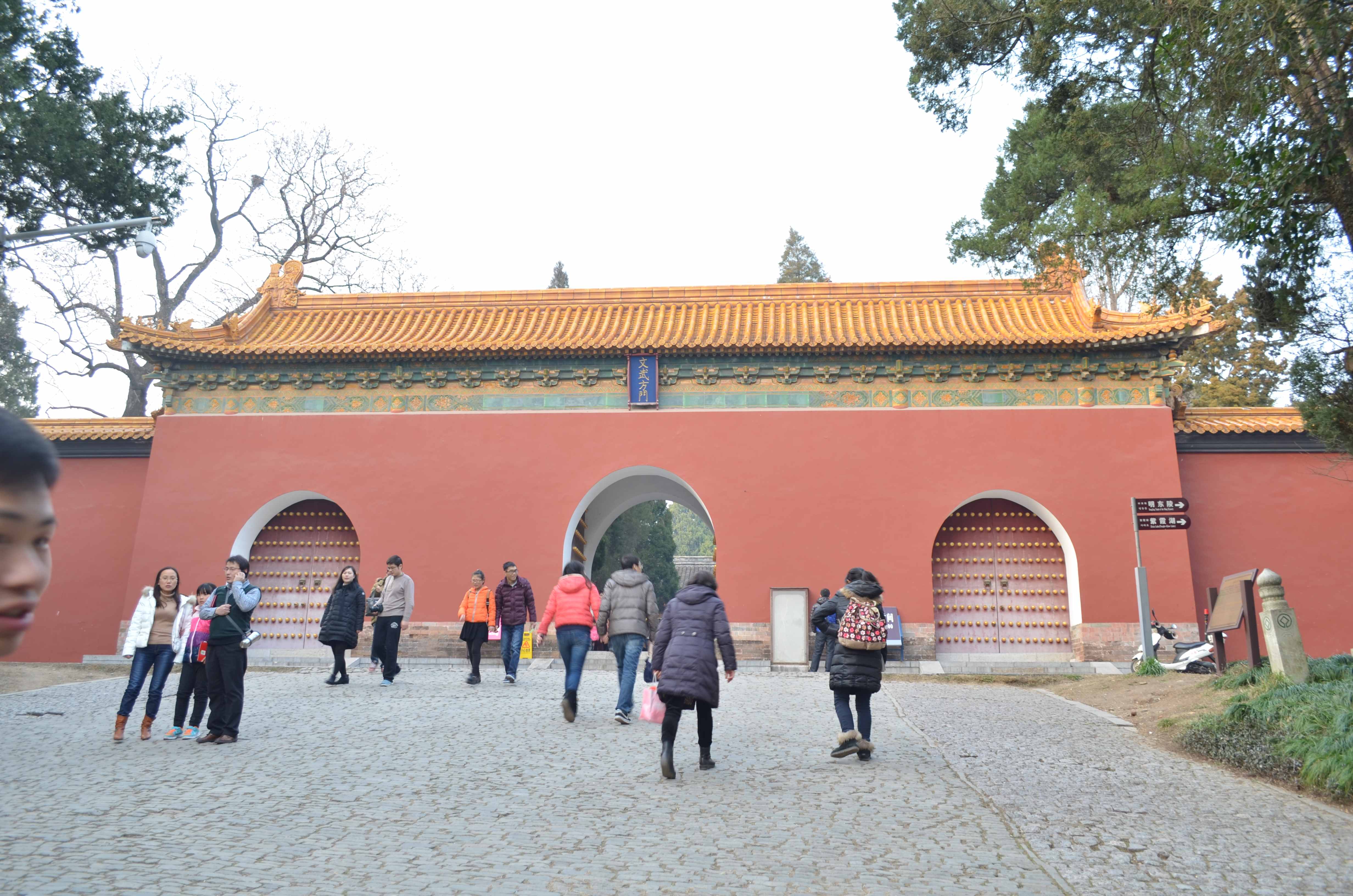
Dr. Sun Yat-sen founded modern China, while Zhu Yuanzhang built its ancient empire. Their two mausoleums—one modern, one ancient—stand under the same mountain, facing each other across six hundred years of history.
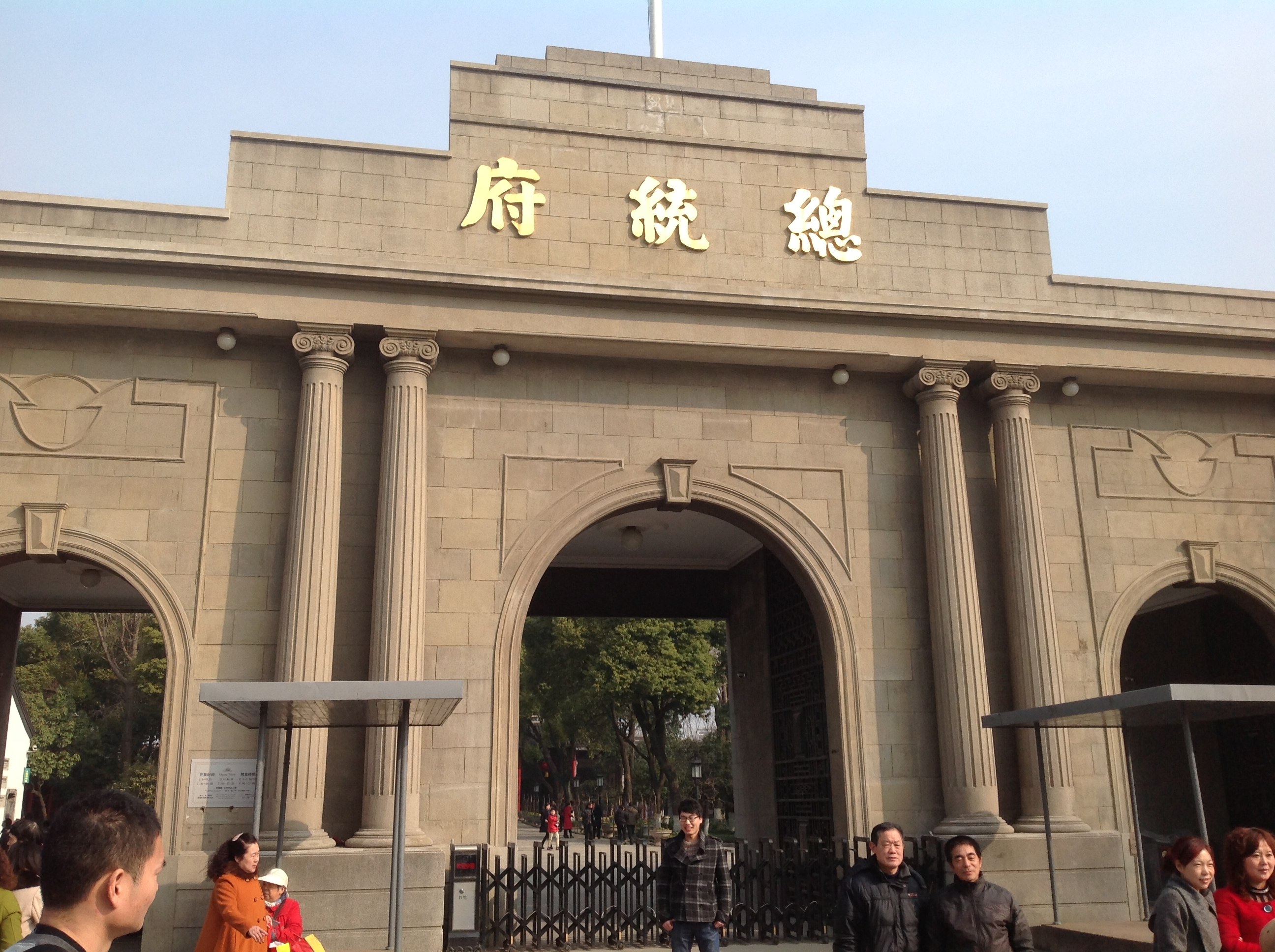
Our third stop was the Presidential Palace. Its gate towers rise imposingly, and the words “Presidential Palace” gleam solemnly in the sunlight. The site is teeming with visitors and layered with centuries of history—once the office of Qing viceroys, then the palace of the Taiping Heavenly Kingdom, and later the seat of the Republic of China. Every inch of ground here bears traces of political transformation.
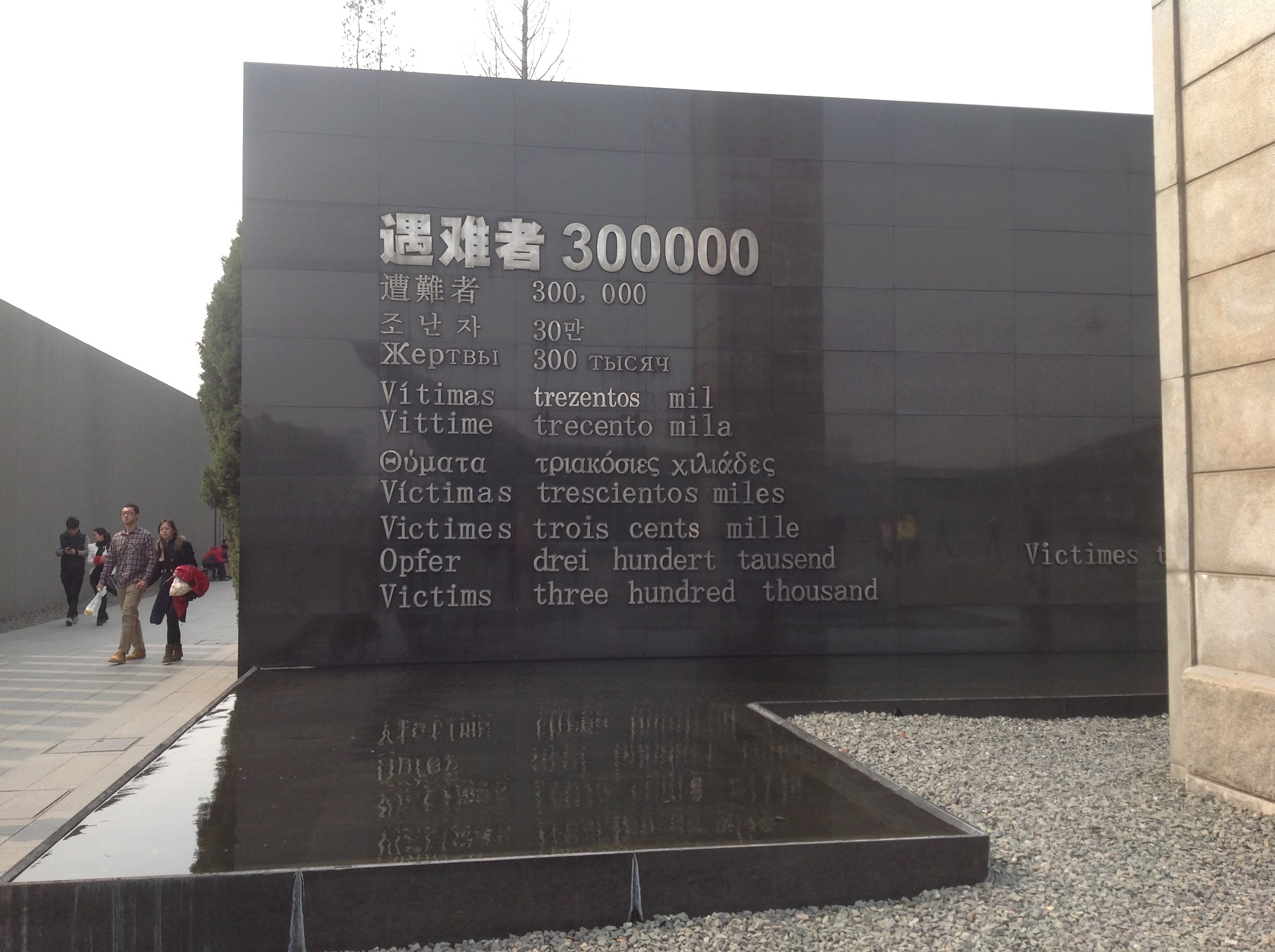
Next, we visited the Nanjing Massacre Memorial Hall. The atmosphere there is suffocatingly solemn. The gray-black buildings glimmer coldly under the winter light. Photos, texts, and relics tell a silent story of the 1937 tragedy. Walking into the “Pit of Ten Thousand Corpses,” confronted by skeletal remains, one feels time frozen at the deepest wound in the nation’s memory.
Our fifth stop was Confucius Temple (Fuzimiao). The Qinhuai River glows at night, its reflections shimmering as they have for centuries. The Confucius Temple stands majestic, surrounded by carved steles and a profound cultural legacy. As night fell, we strolled through the old streets, breathing in the aroma of duck blood vermicelli soup. The shouts of hawkers and the laughter of tourists intertwined—a living blend of history’s sorrow and the city’s warmth.

Although eleven years have passed, my impression of Nanjing remains profound.
Passing Through Again: October 2025
In October 2025, while traveling to Luoyang, my train passed through Nanjing again. What struck me most this time was that, on the entire journey from Hangzhou to Zhengzhou, the train only went through a tunnel in Nanjing.
For someone like me, who has long lived in the mountainous west, this felt extraordinary. In Yunnan, Guizhou, and Sichuan, railways mostly run through bridges and tunnels, weaving through rugged mountains. In contrast, Nanjing lies in a transition zone between the eastern plains and rolling hills.
The railway runs over open land—after that single tunnel, a vast, level landscape unfolds for hundreds of kilometers. This stark geographical contrast deepened my impression of Nanjing.
Afterward, I learned that China’s three central plains are the Northeast Plain, the North China Plain, and the Middle and Lower Yangtze Plain. Two of them converge near Nanjing.
It becomes clear why Zhu Yuanzhang chose Nanjing as his capital—it lies beside both mountains and water, at the meeting of plains. While flat lands favor farming rather than defense, Nanjing benefits from both strategic and economic advantages, shielded by the Yangtze River and Purple Mountain.
Without that train journey to Zhengzhou, I might not have realized this so vividly. It reminded me that knowledge comes alive through experience—the more we see, the deeper our understanding becomes.
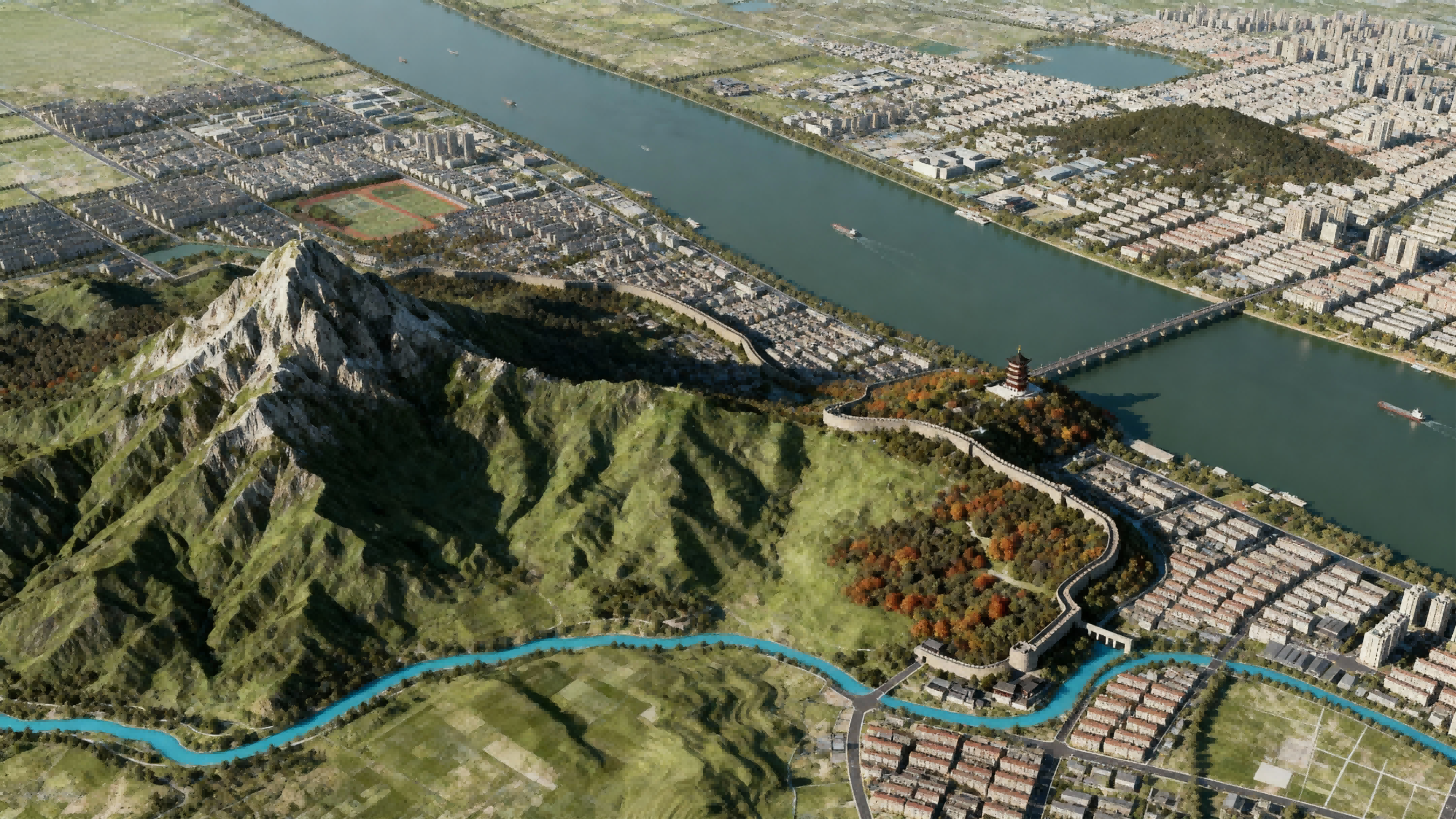
Modern Nanjing
Today, Nanjing is modern and dynamic, yet modernity has not erased its history. The old and the new coexist beautifully.
Nanjing is one of the most recommended cities to visit in the Yangtze River Delta. If you are traveling in Shanghai, consider including Suzhou and Nanjing in your trip, as they are conveniently linked by high-speed rail.
For more detailed itineraries and local insights, stay tuned for our in-depth travel guide.
Finally, I wish everyone a joyful and memorable journey in Nanjing.
Comments (0)
Frequently Asked Questions About Nanjing
Real questions from travelers planning their trip
Q1: What are the biggest mistakes Western visitors make in Nanjing, and how can I avoid them?
Mistake #1: Only visiting Confucius Temple and missing Sun Yat-sen Mausoleum. #2: Not booking mausoleum tickets in advance (sold out). #3: Eating at overpriced restaurants in Confucius Temple area (go to local neighborhoods). #4: Visiting in summer (extremely hot and humid, 35-40°C). #5: Skipping the Ming City Wall walk. #6: Not trying Nanjing salted duck and duck blood soup.
Q2: As a foreigner, how long can I stay in China visa-free? Where can I check this information?
Visa-free duration varies by nationality (typically 15-30 days for eligible countries). Check official sources: a) Ministry of Foreign Affairs of the People's Republic of China - Consular Service website, b) National Immigration Administration of China official platform, c) Chinese Embassy/Consulate in your home country. Requirements and eligible countries change frequently, so always verify before booking flights.
Q3: Do I need travel insurance for China, and what should it cover?
Yes, highly recommended! Your insurance should cover: medical emergencies (hospitals may require upfront payment), medical evacuation, trip cancellation/interruption, lost luggage, and personal liability. Ensure it covers adventure activities if you plan hiking (Great Wall) or skiing. Some policies exclude pre-existing conditions. Recommended providers: World Nomads, SafetyWing, or Allianz. Cost: $30-80 for a week. Keep policy documents offline as you may not access cloud storage without VPN.
Q4: Is Didi (China's Uber) safe and easy for foreigners?
Yes! Didi is safe, affordable, and foreigner-friendly. Download the app before arrival and link an international credit card or Alipay/WeChat Pay. The app has English interface. Drivers may not speak English, but the app translates your destination. Safety features: GPS tracking, driver ratings, emergency button. Cost: 50-70% cheaper than taxis. Pro tip: Screenshot your destination in Chinese to show drivers if needed. Avoid unlicensed 'black cabs' at airports.
Q5: Do all hotels accept foreigners, or are some 'Chinese only'?
Not all hotels can accept foreigners - they need a special license to register foreign passports. International chains (Hilton, Marriott, Hyatt) and most 3-star+ hotels in major cities are licensed. Budget hostels and small guesthouses may not be. Always confirm when booking: look for 'accepts foreign guests' or ask directly. Bring your passport - hotels must register you with local police within 24 hours (standard procedure, not concerning).
Latest Travel Tips
Explore More Destinations
Discover other amazing cities in China with our comprehensive travel guides