
Huangshan Travel Guide: Your Complete Guide to the Yellow Mountains
Everything you need to know: Mountain tickets, cable car vs hiking routes, sunrise viewing spots, Hongcun village access, weather tips, and hidden photography locations
Discover granite peaks, sea of clouds, ancient pines, and Hongcun village. In-depth guide for Western visitors.
Why Huangshan? Quick Overview
Everything Western visitors need to know before booking
China's Most Beautiful Mountain
UNESCO World Heritage Site - 'After seeing Huangshan, no other mountain matters' (Chinese saying)
Granite peaks, sea of clouds, ancient pines, and hot springs
Anhui Cuisine & Mountain Food
From stinky mandarin fish to bamboo shoots and wild herbs
Fine dining, street food, everything available
Mid-Range Budget ($55-145/day)
Moderate prices: mountain hotels expensive ($100+), but valley hotels cheap ($30)
Deep version guide includes WeChat/Alipay payment setup guide
Beyond Tourist Traps
Deep version guide includes practical anti-scam tips to avoid being cheated
Common local scams, overcharging, and more
🏔️ Planning a Road Trip in Western China?
Get our FREE high-altitude driving safety guide before you go!
High-Altitude Driving Essentials
Get 5 Must-Know Tips for Safe Western China Roads (FREE PDF)
Top 5 Must-Visit Attractions in Huangshan
With prices, transport directions, and insider tips to avoid crowds
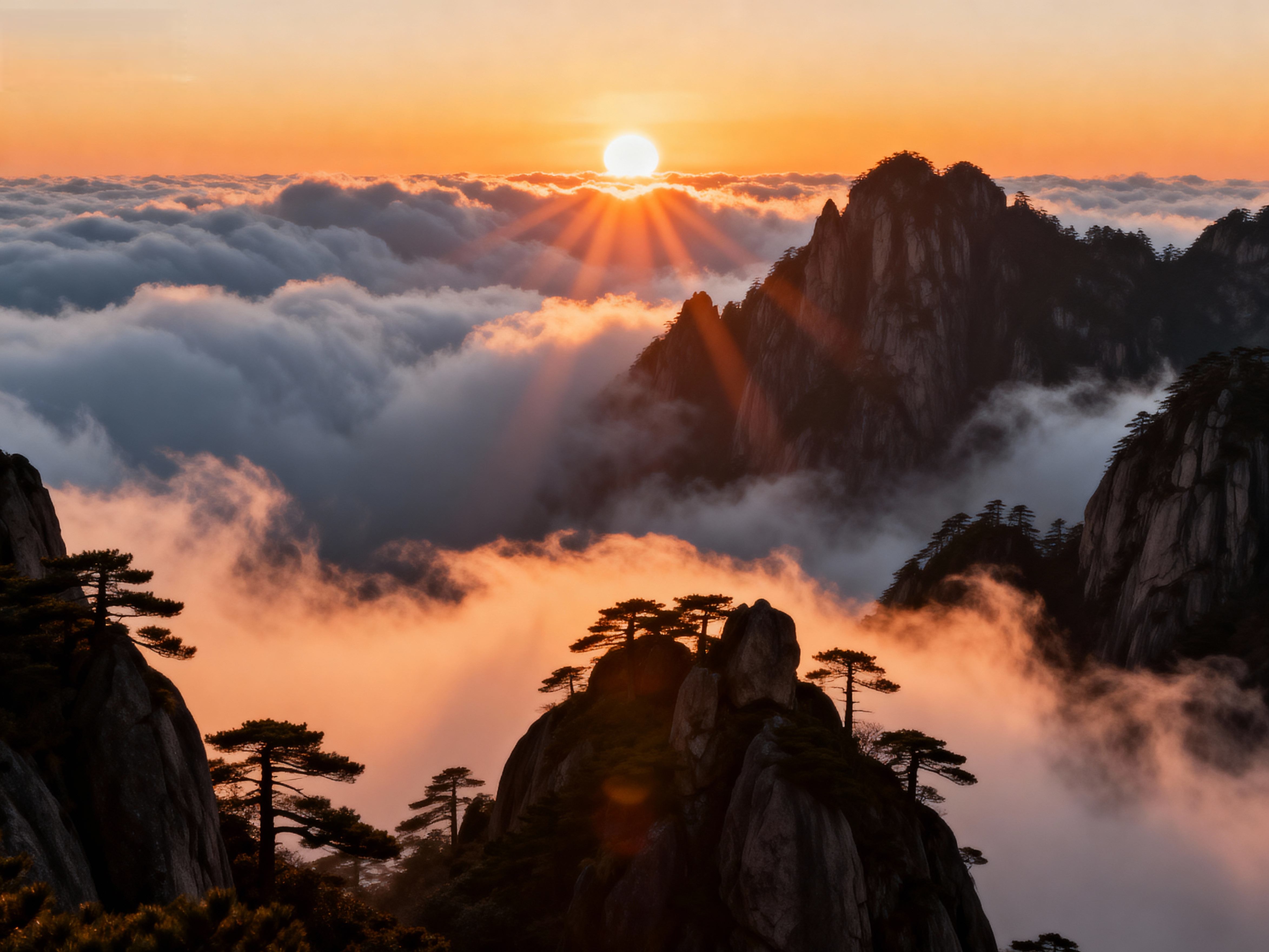
1. Yellow Mountains Sunrise
$35 entrance + $12 cable carLegendary sunrise over sea of clouds. Granite peaks, ancient pines, and hot springs. UNESCO World Heritage Site.
🚇 How to get there: Cable car from Tangkou town or hike up (6 hours)
💡 Pro tip: Stay overnight at mountain hotel. Wake at 5am for sunrise. Best viewing: Refreshing Terrace. Bring warm clothes!
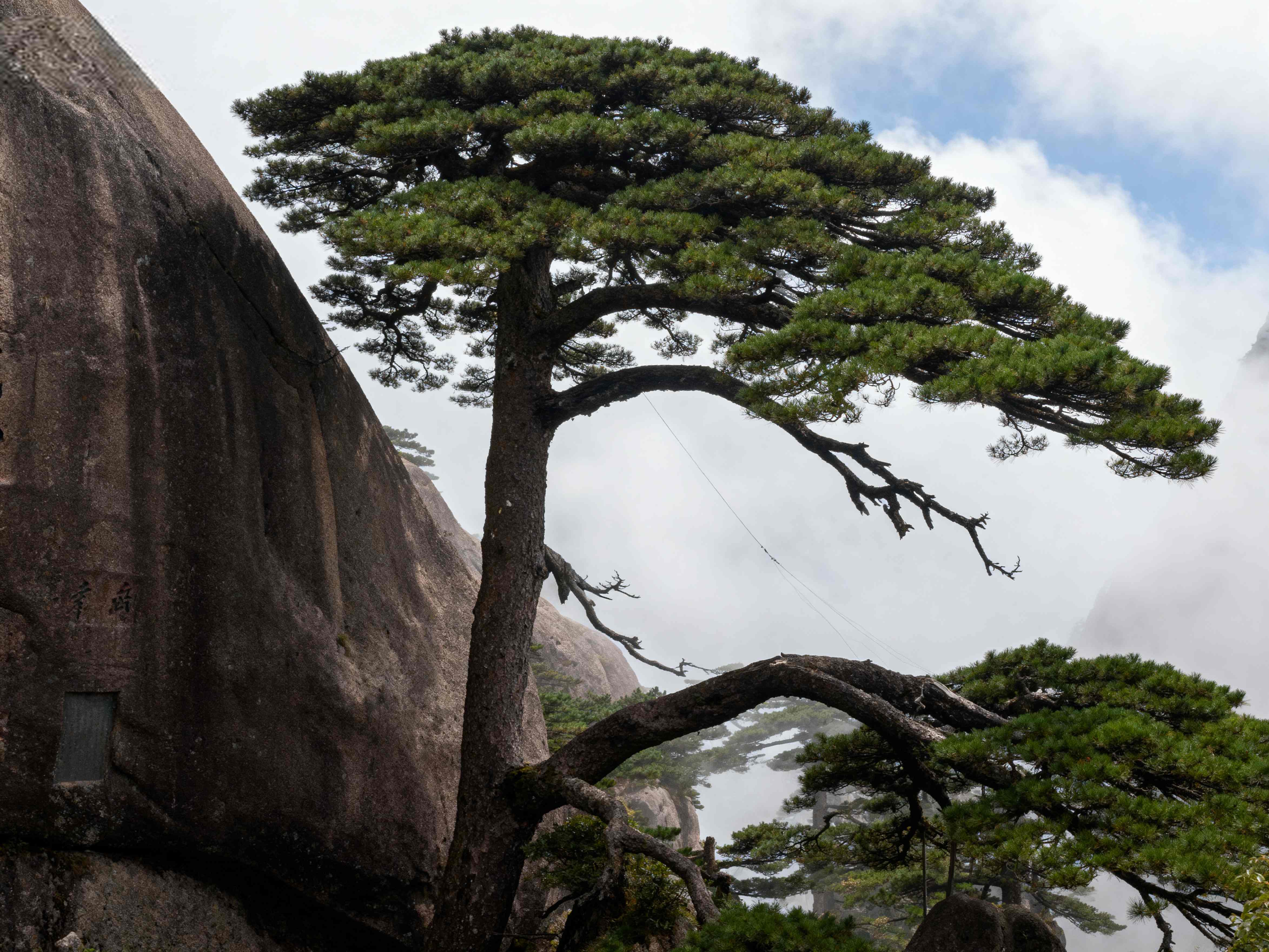
2. Welcoming Guest Pine
Included in park ticketFamous 1,000-year-old pine tree. Symbol of Huangshan. Iconic photo spot with twisted branches.
🚇 How to get there: Walk from Yuping Cable Car station
💡 Pro tip: Most photographed tree in China. Best light in morning. Crowded at midday. Combine with Lotus Peak hike.
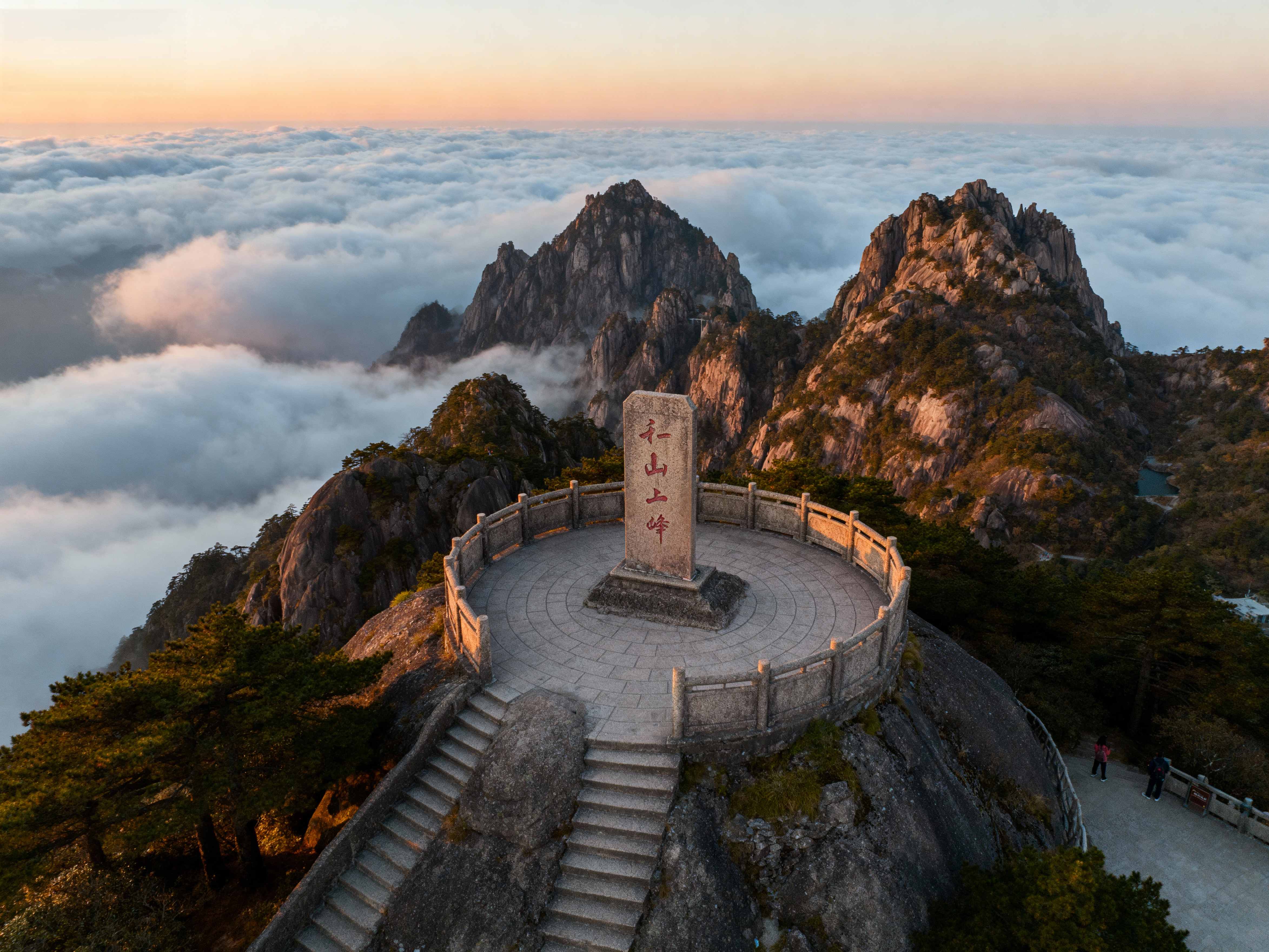
3. Bright Summit Peak
Included in park ticketSecond highest peak (1,860m). Best spot for sea of clouds and sunset. 360° panoramic views.
🚇 How to get there: Hike from Beihai Hotel area (2 hours)
💡 Pro tip: Easier than Lotus Peak. Best for sunset (6-7pm). Hotels nearby for overnight stay. Bring headlamp for descent.
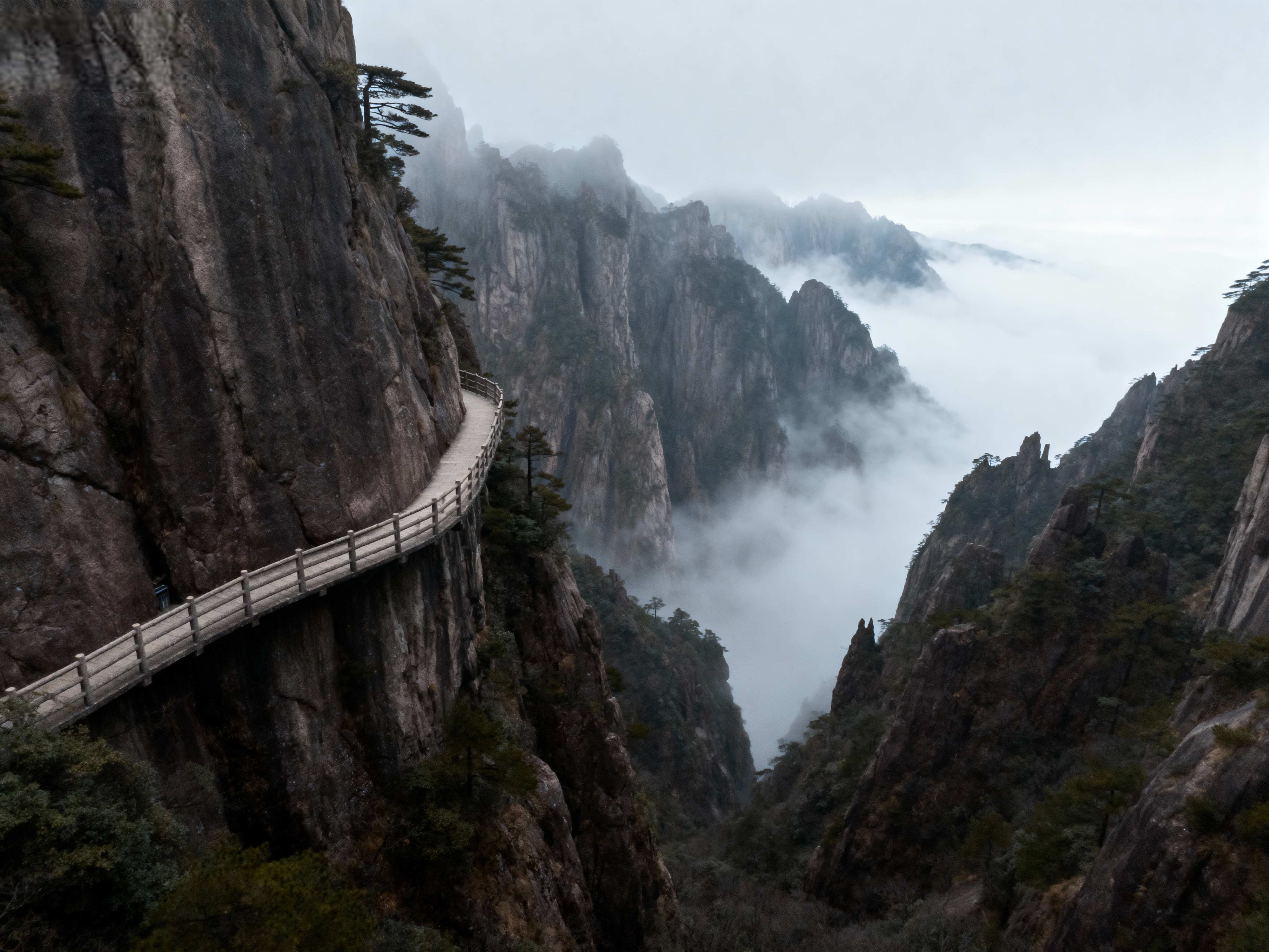
4. West Sea Grand Canyon
Included in park ticket + $15 monorailDramatic canyon with cliff-edge walkways and monorail train. Stunning rock formations.
🚇 How to get there: Walk from Beihai area, take monorail back up
💡 Pro tip: Take monorail one-way (uphill). Steep stairs going down. Not for those afraid of heights. Breathtaking views!
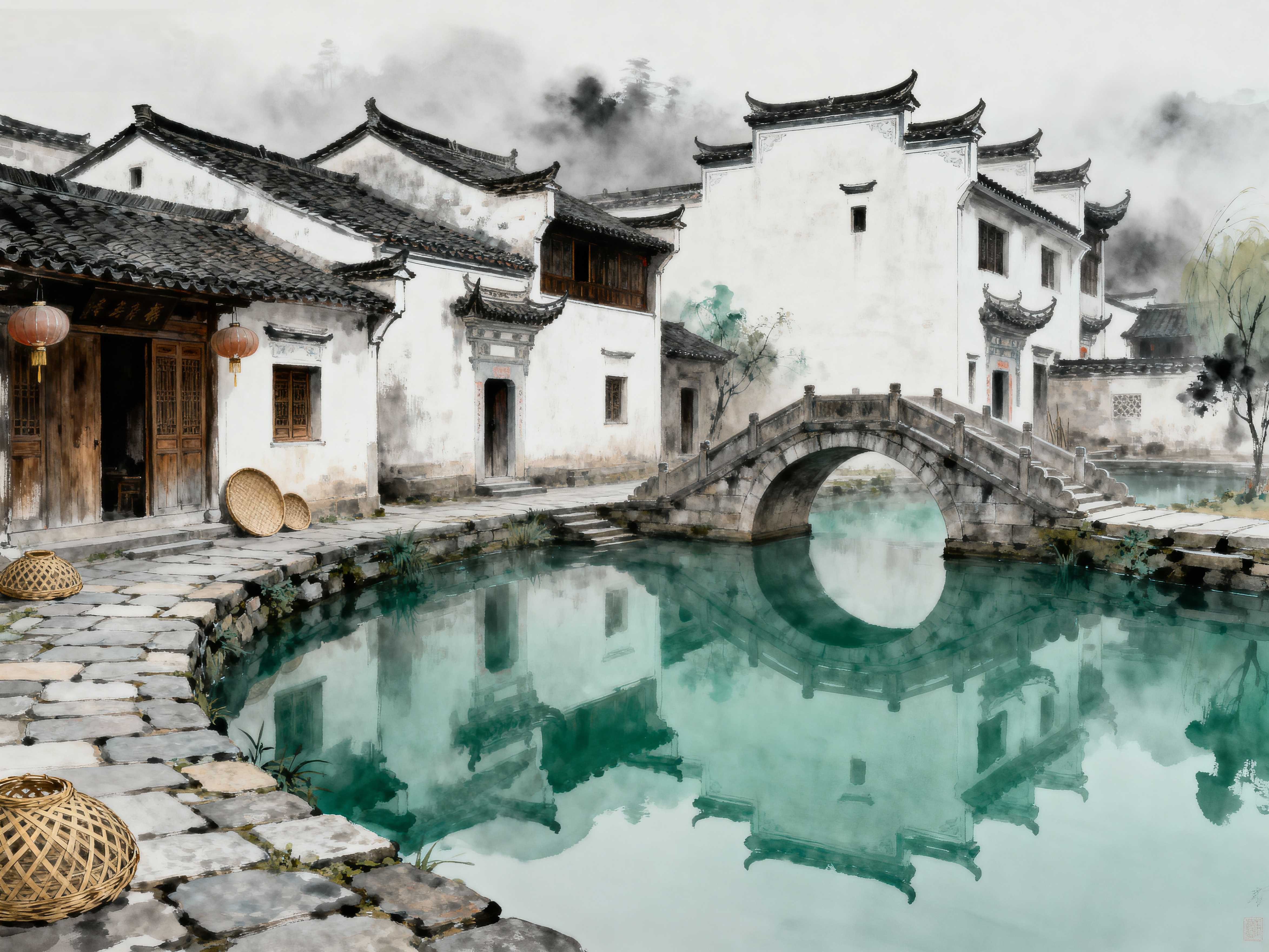
5. Hongcun Ancient Village
$15 entranceUNESCO water village at mountain base. Ming-Qing architecture reflected in moon pond. Crouching Tiger filming location.
🚇 How to get there: Bus from Huangshan city (1 hour) or Tangkou (40 min)
💡 Pro tip: Best in early morning for reflections. Stay overnight in traditional guesthouse. Combine with Xidi Village nearby.
Practical Travel Tips for Huangshan
Answers to the most common questions from Western travelers
Is WeChat Pay/Alipay mandatory? Can I use credit cards?
Most restaurants and shops prefer mobile payments, but tourist sites accept cash (CNY) and some take Visa/Mastercard. Our guide includes step-by-step WeChat Pay setup for foreigners (requires Chinese bank account OR use Tour Pass feature for tourists). ATMs are everywhere - Bank of China has best rates.
Is it safe for foreigners to travel alone in Huangshan?
Yes! Huangshan is very safe. Main concerns: slippery mountain trails (wear good shoes), altitude (1,800m - not too high), and overpriced mountain hotels. Our deep version guide lists common precautions and anti-scam tips.
Where to stay? Hotels with English-speaking staff?
Stay on mountain for sunrise (book months ahead!): Xihai Hotel ($150), Beihai Hotel ($120). Or stay in Tangkou town at base ($30-50). Huangshan city has international chains with English staff.
How to get from airport to city?
Airport bus to city center: $3, 30 minutes. Then bus to Tangkou (mountain base): $3, 1 hour. Didi from airport to Tangkou: $30. High-speed train from Hangzhou: 2.5 hours, $25.
Can I eat street food safely? Vegetarian options?
Yes! Try stinky mandarin fish (smells bad, tastes good!), hairy tofu, and bamboo shoots. Tunxi Old Street has safe street food. Vegetarian? Mountain hotels serve veggie dishes. Food on mountain is expensive - bring snacks!
Common scams to avoid?
Overpriced mountain hotels (book online in advance), fake 'guides' at base (official guides wear uniforms), and aggressive sedan chair carriers (agree on price first if you need one). Our deep version PDF guide includes detailed descriptions of all common scams and how to avoid them.
My Personal Experience in Huangshan
Huangshan is not only majestic; its cultural status is also remarkably high.
As the traveler Xu Xiake sighed, "After ascending Huangshan, there are no other mountains in the world." Countless poets and scholars throughout history have left behind poems and inscriptions here. Confucianism, Buddhism, and Taoism blend and coexist in harmony.
On the mountaintop of Huangshan, numerous stone inscriptions bear witness to the cultural accumulation of a thousand years. The weathered characters still retain their elegant charm. These engravings either praise the grandeur of the mountains and rivers or express the free spirit within.
They serve as witnesses to the fusion of nature and humanity. Standing among them, it's as if you can hear the ancients reciting poetry. Though emperors rarely climbed Huangshan, its fame has spread worldwide thanks to the admiration of literati and scholars.
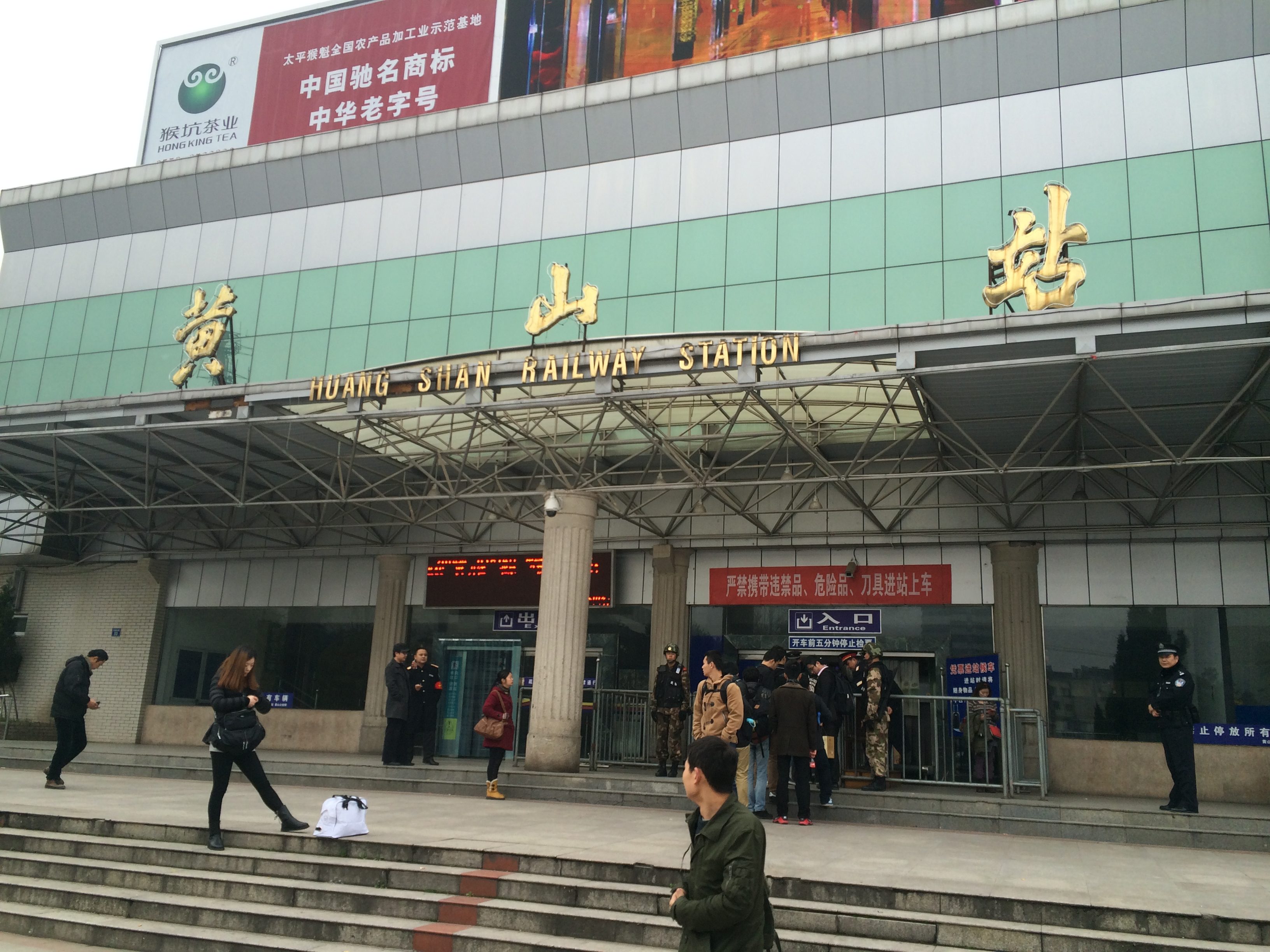
I've only been to Huangshan once, but that single experience was absolutely fantastic.
I went there quite early, on March 14, 2014—it's been 11 years now. I remember using my iPhone 5s back then.
At that time, our trip to Huangshan wasn't just about the scenic area. Our first stop was downtown Huangshan City, where we visited Tunxi Old Street in Huizhou. The bluestone pavement reflected white walls and black tiles. The fragrance of tea wafted from carved wooden window frames. We wandered along the street, seeking out Huizhou ink workshops and tasting hairy tofu. We immersed ourselves in the blend of everyday life and cultural depth.
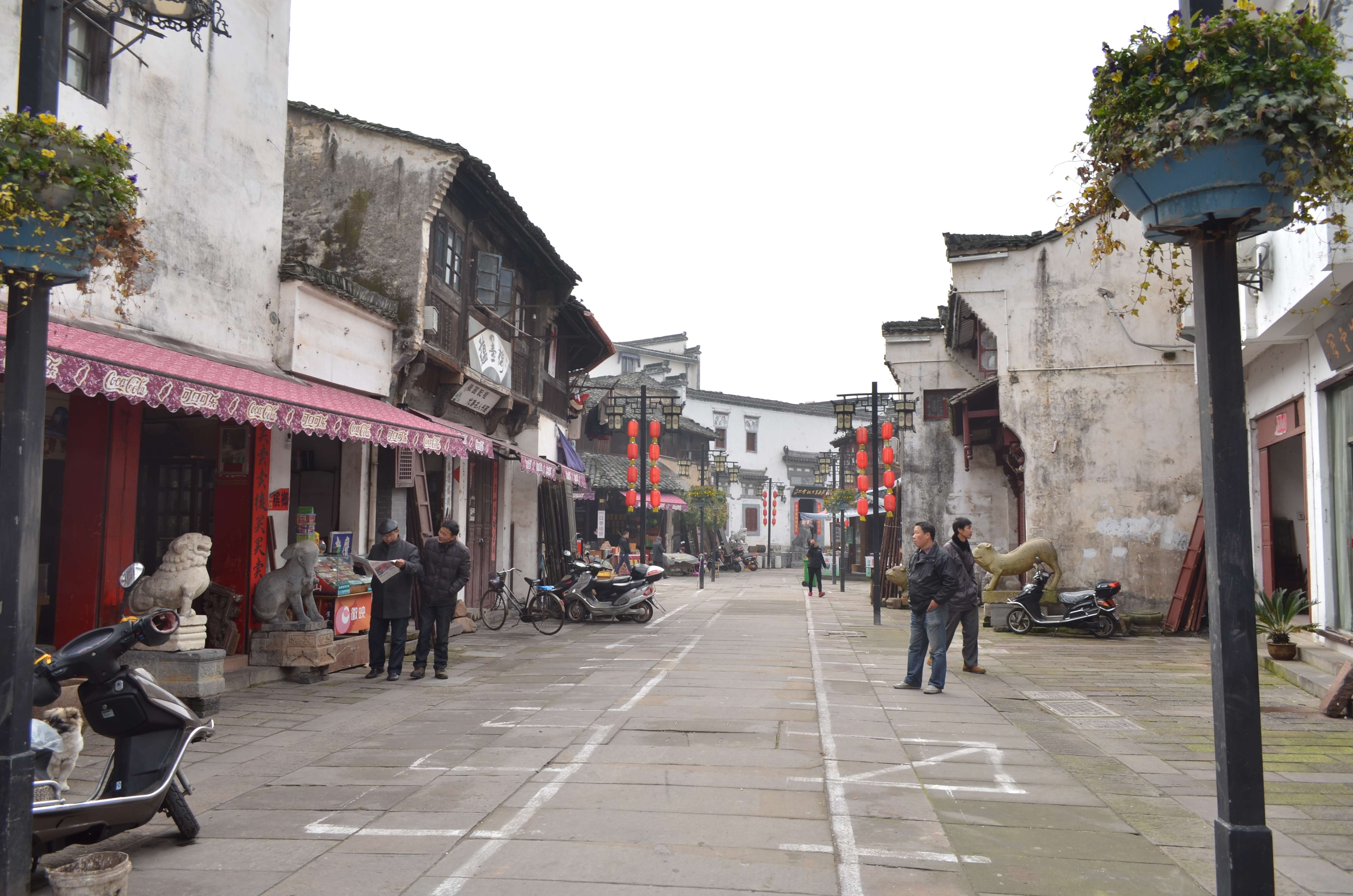
After Tunxi Old Street, we went to She County. There, we explored the ancient cluster of paifang archways and the ruins of the Huizhou Prefecture Yamen. We also visited an old bridge. I’ve forgotten its name now, but I remember the northern part was damaged. Some cultural relics won’t be around forever if we don’t see them now.

The next day, we climbed Huangshan.
We set off from the foot of the mountain after breakfast in the morning. Since we were staying overnight on the hill to watch the sunrise the following day, we had plenty of time. We weren’t in a rush.
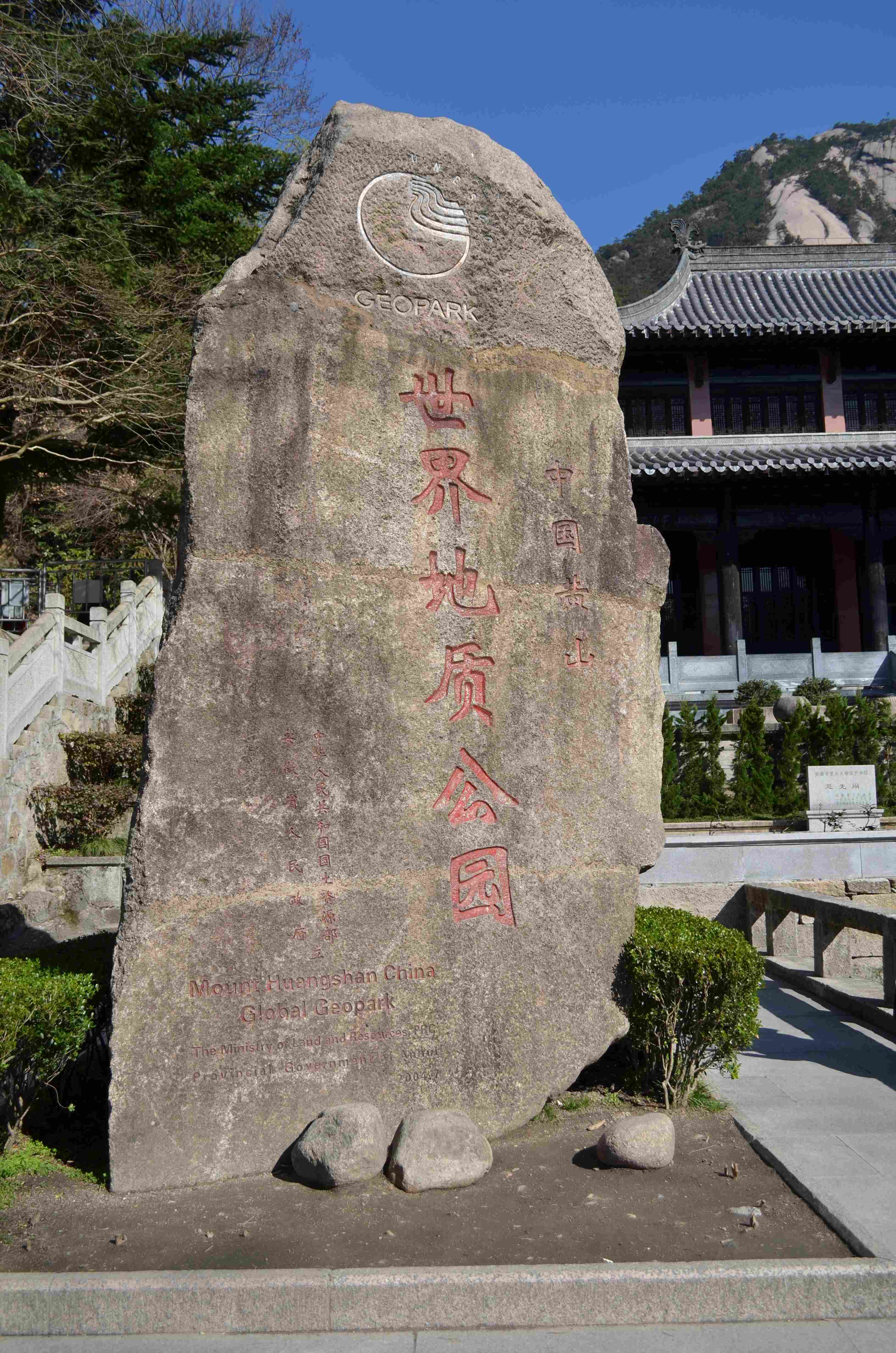
The scenery of Huangshan is indeed stunning. Still, one thing left a profound impression on me: the public restrooms on Huangshan were extremely scarce, which was simply unbearable. For hours along the trail, you wouldn’t see a single restroom. Climbers had to seek out secluded spots in embarrassment. Keep in mind, Huangshan is world-famous and a 5A scenic area with massive visitor traffic. Yet, its infrastructure was so outdated—it really damaged its reputation. However, I’ve heard that there has been significant improvement now. Friends who went later told me so.
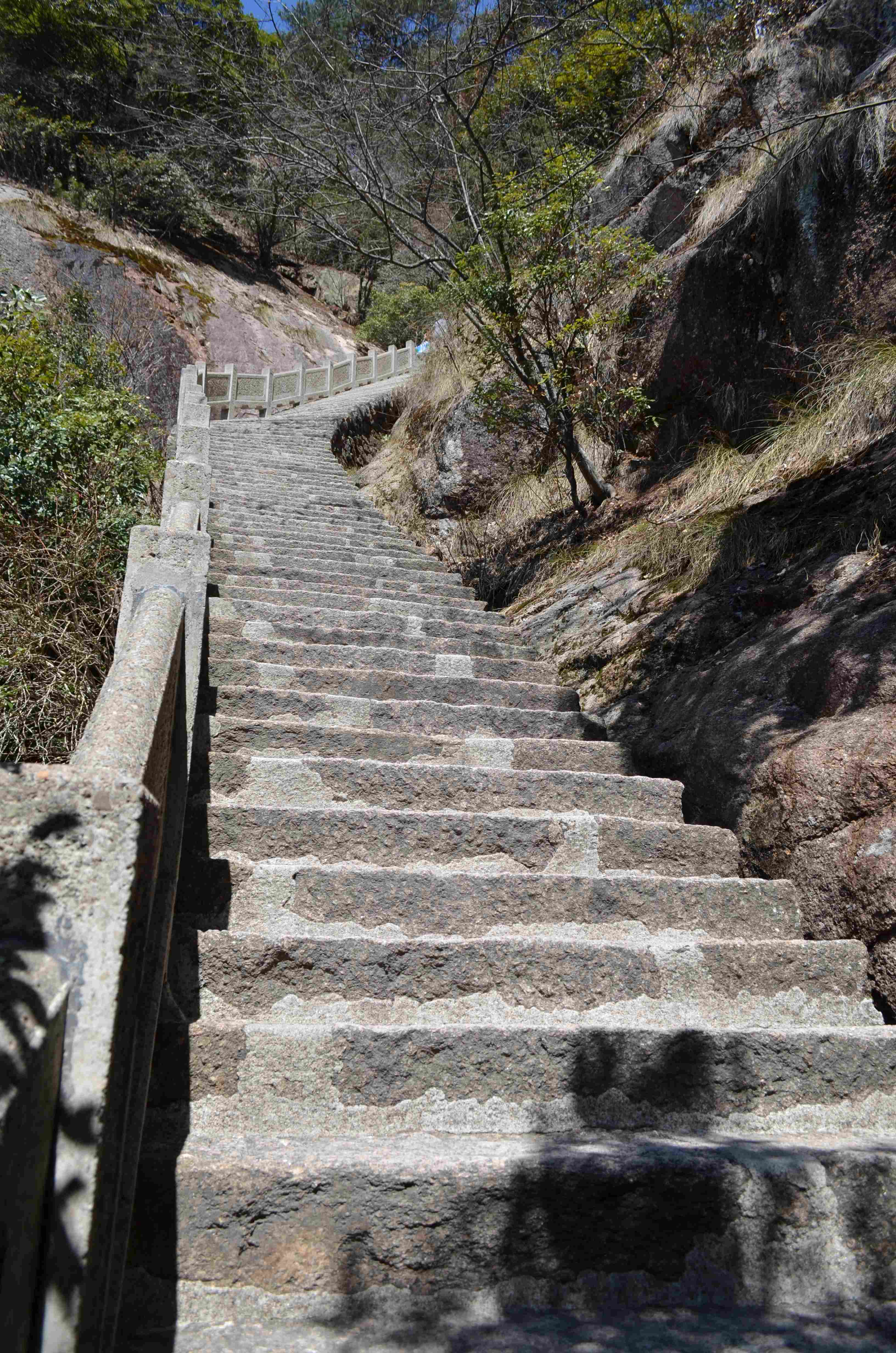
Huangshan is primarily composed of granite, its tough texture mirroring the cultural character of the Huizhou people—enduring storms without decay, at ease amid steep ridges.
Huangshan’s highest peak is Bright Summit (Guangming Ding), at 1,860 meters above sea level. At the summit, the sea of clouds surges like tides.
Huangshan’s sunsets are also stunning.
As the sun dips in the west, its afterglow sprinkles over the bizarre pines and strange rocks. Golden light intersects with the red cliffs, resembling a fairy tale.
On the second day, I did manage to see the sunrise, but the crowds were beyond imagination. I didn’t think I got up late, but I still ended up queuing near the back. In the end, though, I saw the sunrise. After that, we started descending the mountain. Huangshan is very high, and going down took quite a bit of effort.
I remember my friend and I climbed the whole way up without feeling too tired. We were young back then, in our 20s, and hiking was no big deal. If I went now, I’d definitely take the cable car. My stamina is far worse than it was.
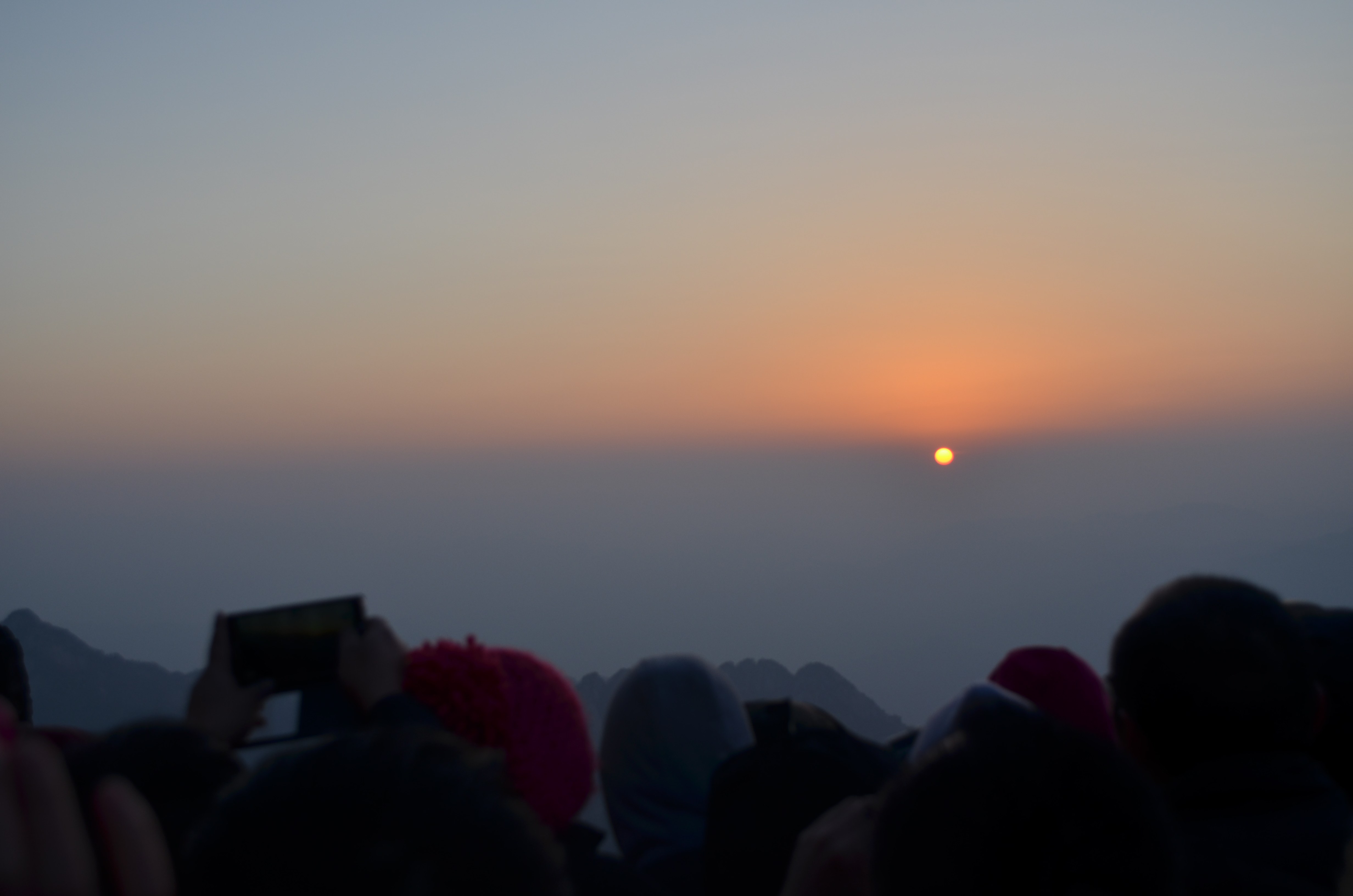
Among the famous mountains in Jiangsu, Zhejiang, Shanghai, and Anhui, Huangshan stands out as top-tier.
However, Huangshan’s fame is so great that it overshadows the name of Huangshan City itself.
In reality, Huangshan City is full of unique charm.
It is one of the birthplaces of Huizhou culture, with a profound historical and cultural heritage. I especially love the style of Huizhou architecture—white walls and black tiles arranged in staggered elegance. Horse-head gables outline the skyline. Every detail condenses the ancients’ profound understanding of nature and humanity.
The villages at the foot of Huangshan, like Hongcun and Xidi, unfold like ink-painting scrolls amid green mountains and waters. They’re also well worth seeing.
In short, Huangshan City is a place worth savoring in detail.
If you learn a bit about Huizhou culture beforehand, your experience will be even deeper.
Finally, I wish everyone a wonderful time on their Huangshan trip!
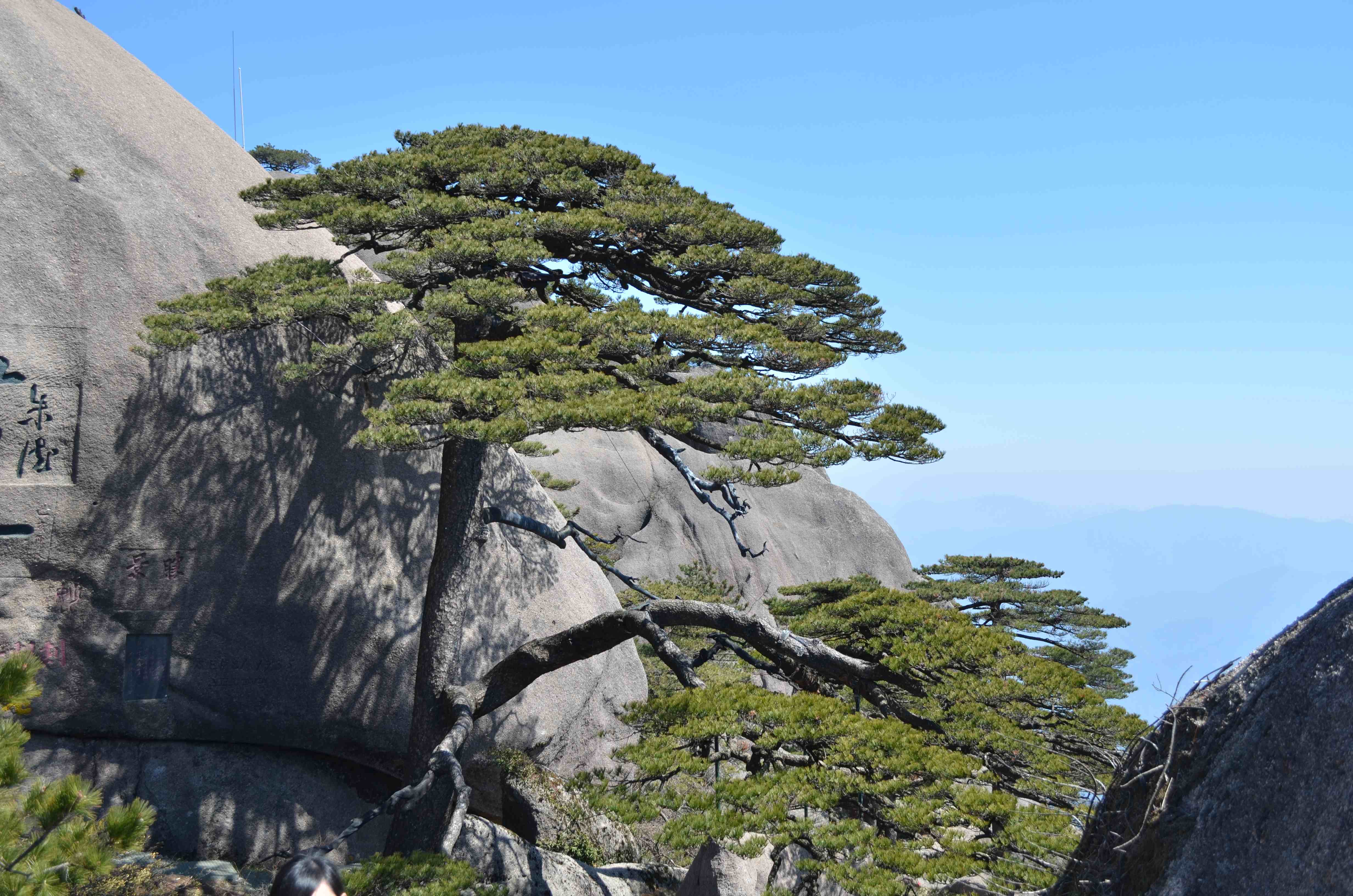
Huangshan Landmark: Welcoming Pine, photographed in November 2013
Comments (0)
Frequently Asked Questions About Huangshan
Real questions from travelers planning their trip
Q1: What are the biggest mistakes Western visitors make in Huangshan, and how can I avoid them?
Mistake #1: Not staying overnight on mountain (miss sunrise!). #2: Not booking mountain hotels months in advance (they sell out). #3: Visiting in peak summer (July-August is hot and crowded). #4: Only visiting mountain and missing Hongcun/Xidi villages. #5: Not bringing warm clothes (it's cold on top even in summer). #6: Carrying too much luggage (porters charge $50+).
Q2: As a foreigner, how long can I stay in China visa-free? Where can I check this information?
Visa-free duration varies by nationality (typically 15-30 days for eligible countries). Check official sources: a) Ministry of Foreign Affairs of the People's Republic of China - Consular Service website, b) National Immigration Administration of China official platform, c) Chinese Embassy/Consulate in your home country. Requirements and eligible countries change frequently, so always verify before booking flights.
Q3: Do I need travel insurance for China, and what should it cover?
Yes, highly recommended! Your insurance should cover: medical emergencies (hospitals may require upfront payment), medical evacuation, trip cancellation/interruption, lost luggage, and personal liability. Ensure it covers adventure activities if you plan hiking (Great Wall) or skiing. Some policies exclude pre-existing conditions. Recommended providers: World Nomads, SafetyWing, or Allianz. Cost: $30-80 for a week. Keep policy documents offline as you may not access cloud storage without VPN.
Q4: Is Didi (China's Uber) safe and easy for foreigners?
Yes! Didi is safe, affordable, and foreigner-friendly. Download the app before arrival and link an international credit card or Alipay/WeChat Pay. The app has English interface. Drivers may not speak English, but the app translates your destination. Safety features: GPS tracking, driver ratings, emergency button. Cost: 50-70% cheaper than taxis. Pro tip: Screenshot your destination in Chinese to show drivers if needed. Avoid unlicensed 'black cabs' at airports.
Q5: Do all hotels accept foreigners, or are some 'Chinese only'?
Not all hotels can accept foreigners - they need a special license to register foreign passports. International chains (Hilton, Marriott, Hyatt) and most 3-star+ hotels in major cities are licensed. Budget hostels and small guesthouses may not be. Always confirm when booking: look for 'accepts foreign guests' or ask directly. Bring your passport - hotels must register you with local police within 24 hours (standard procedure, not concerning).
Latest Travel Tips
Explore More Destinations
Discover other amazing cities in China with our comprehensive travel guides