
Hangzhou Travel Guide: Your Complete Guide to Heaven on Earth
Everything you need to know: West Lake boat rides, Lingyin Temple access, Longjing tea plantations, authentic Dongpo pork spots, scam prevention, and hidden lakeside gems
Discover West Lake boat rides, Lingyin Temple, Longjing tea plantations, and authentic Dongpo pork. In-depth guide for Western visitors.
Why Hangzhou? Quick Overview
Everything Western visitors need to know before booking
West Lake Paradise
UNESCO World Heritage Site - 'Heaven above, Suzhou and Hangzhou below' (Chinese saying)
West Lake, Lingyin Temple, and Longjing tea plantations
Dongpo Pork & Longjing Tea
From sweet-savory Hangzhou cuisine to world-famous Dragon Well tea
Fine dining, street food, everything available
Mid-Range Budget ($50-140/day)
Moderate prices: 4-star hotels at $70/night, metro rides at $0.50
Deep version guide includes WeChat/Alipay payment setup guide
Beyond Tourist Traps
Deep version guide includes practical anti-scam tips to avoid being cheated
Common local scams, overcharging, and more
🏔️ Planning a Road Trip in Western China?
Get our FREE high-altitude driving safety guide before you go!
High-Altitude Driving Essentials
Get 5 Must-Know Tips for Safe Western China Roads (FREE PDF)
Top 5 Must-Visit Attractions in Hangzhou
With prices, transport directions, and insider tips to avoid crowds
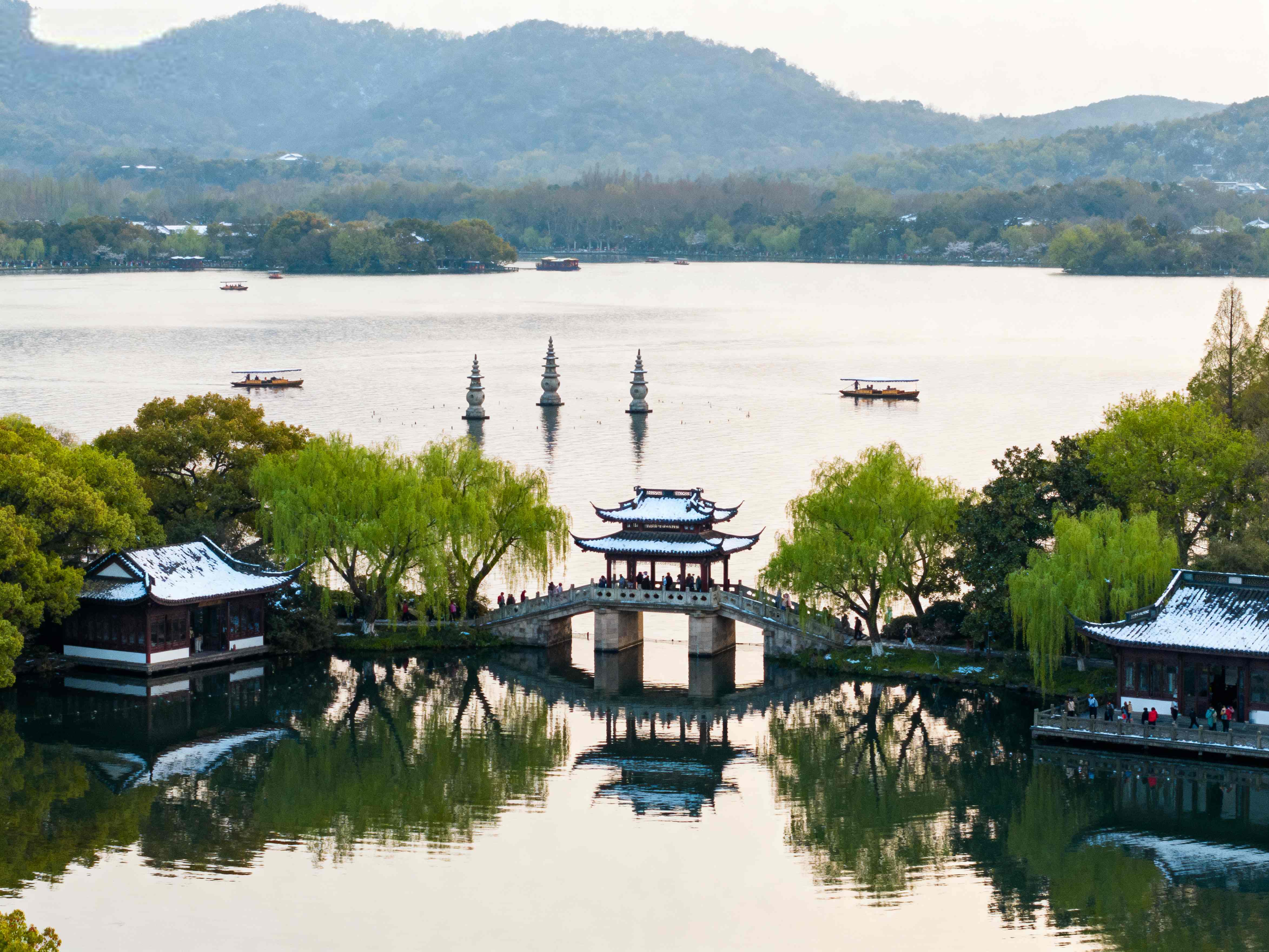
1. West Lake
Free (boat cruise $10-20)UNESCO World Heritage Site. Iconic lake with pagodas, bridges, and willow trees. Rent a bike or take a boat cruise.
🚇 How to get there: Subway Line 1 to Longxiangqiao station
💡 Pro tip: Rent bike ($3/day) to circle the lake. Sunset at Leifeng Pagoda is stunning. Avoid weekends (too crowded).
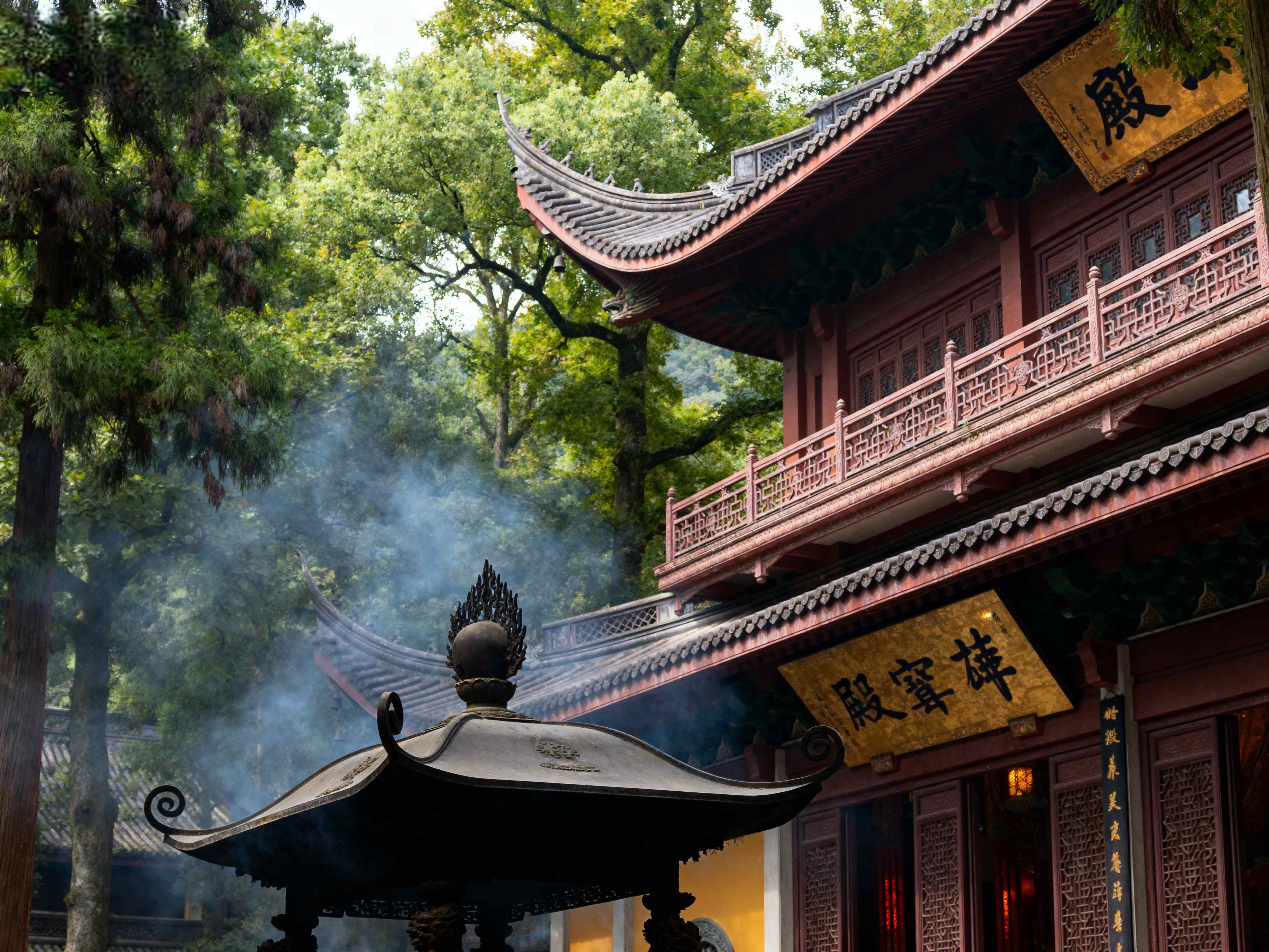
2. Lingyin Temple
$8 entrance + $5 templeAncient Buddhist temple (founded 328 AD) with giant Buddha statues and forest setting. One of China's most important temples.
🚇 How to get there: Bus K7/Y1/Y2 from West Lake or taxi
💡 Pro tip: Go early for peaceful atmosphere. Vegetarian lunch available. Feilai Feng grottoes nearby ($8 extra).
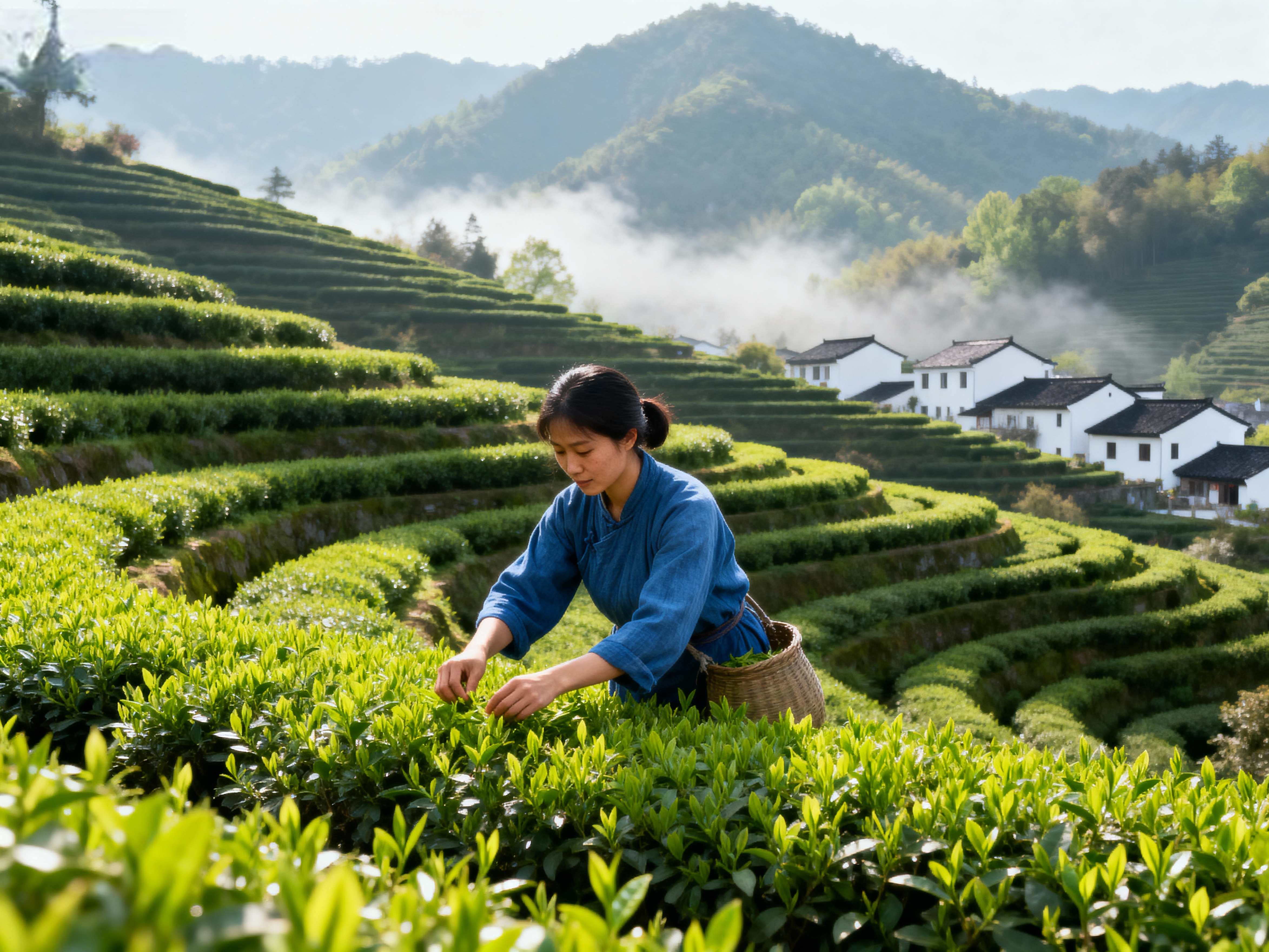
3. Longjing Tea Village
Free (tea tasting $10-50)Famous Dragon Well tea plantations. Walk through terraced tea fields and taste fresh Longjing tea.
🚇 How to get there: Bus 27/Y3 from West Lake or taxi
💡 Pro tip: Best in spring (March-April) for tea picking season. Bargain hard for tea. Authentic tea costs $30-100/100g.
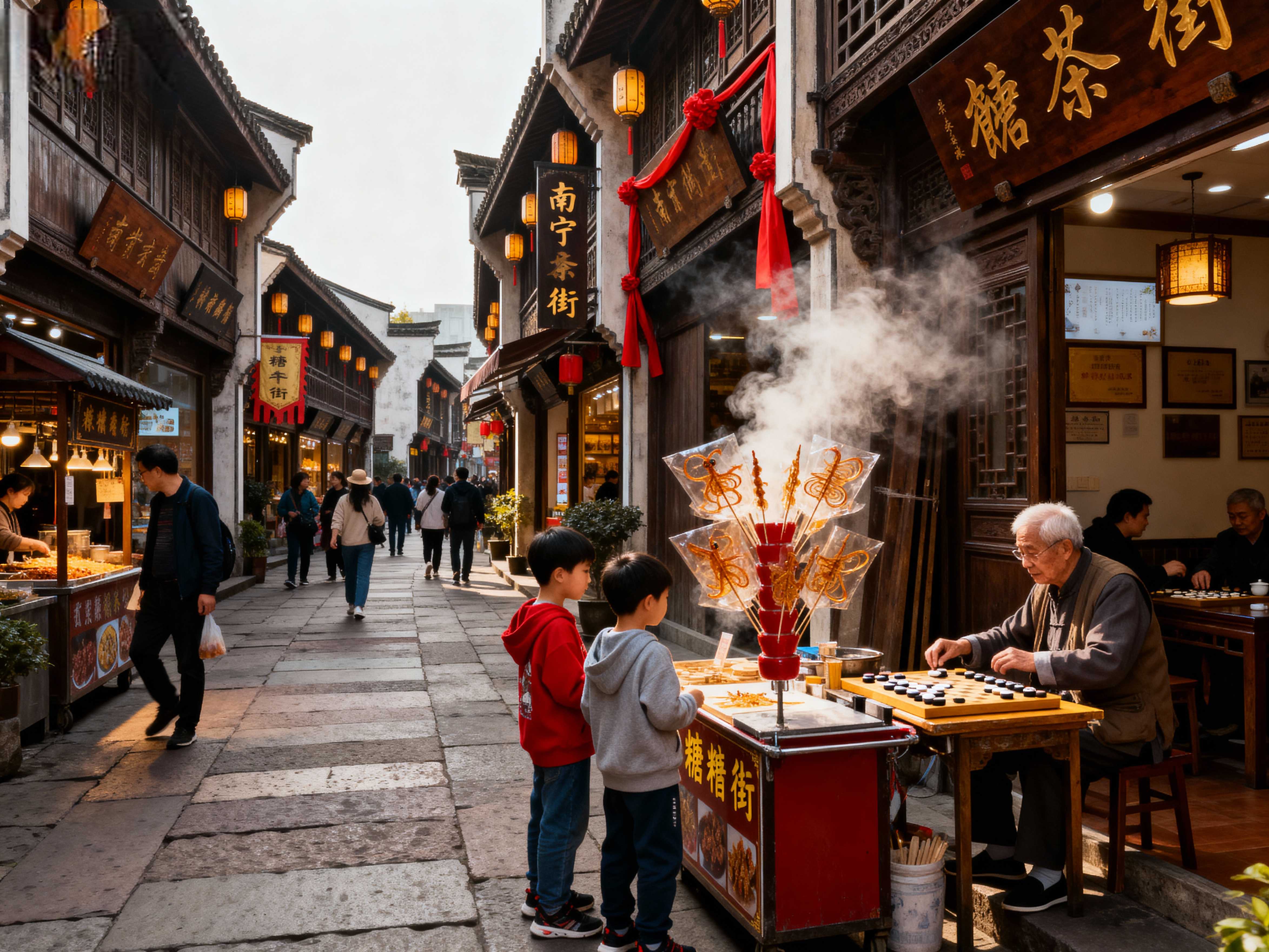
4. Hefang Street
Free (food/shops vary)Historic pedestrian street with traditional shops, street food, and Chinese medicine stores.
🚇 How to get there: Subway Line 1 to Dingan Road station
💡 Pro tip: Try Hangzhou specialties: beggar's chicken, osmanthus cake, West Lake vinegar fish. Souvenir shopping.
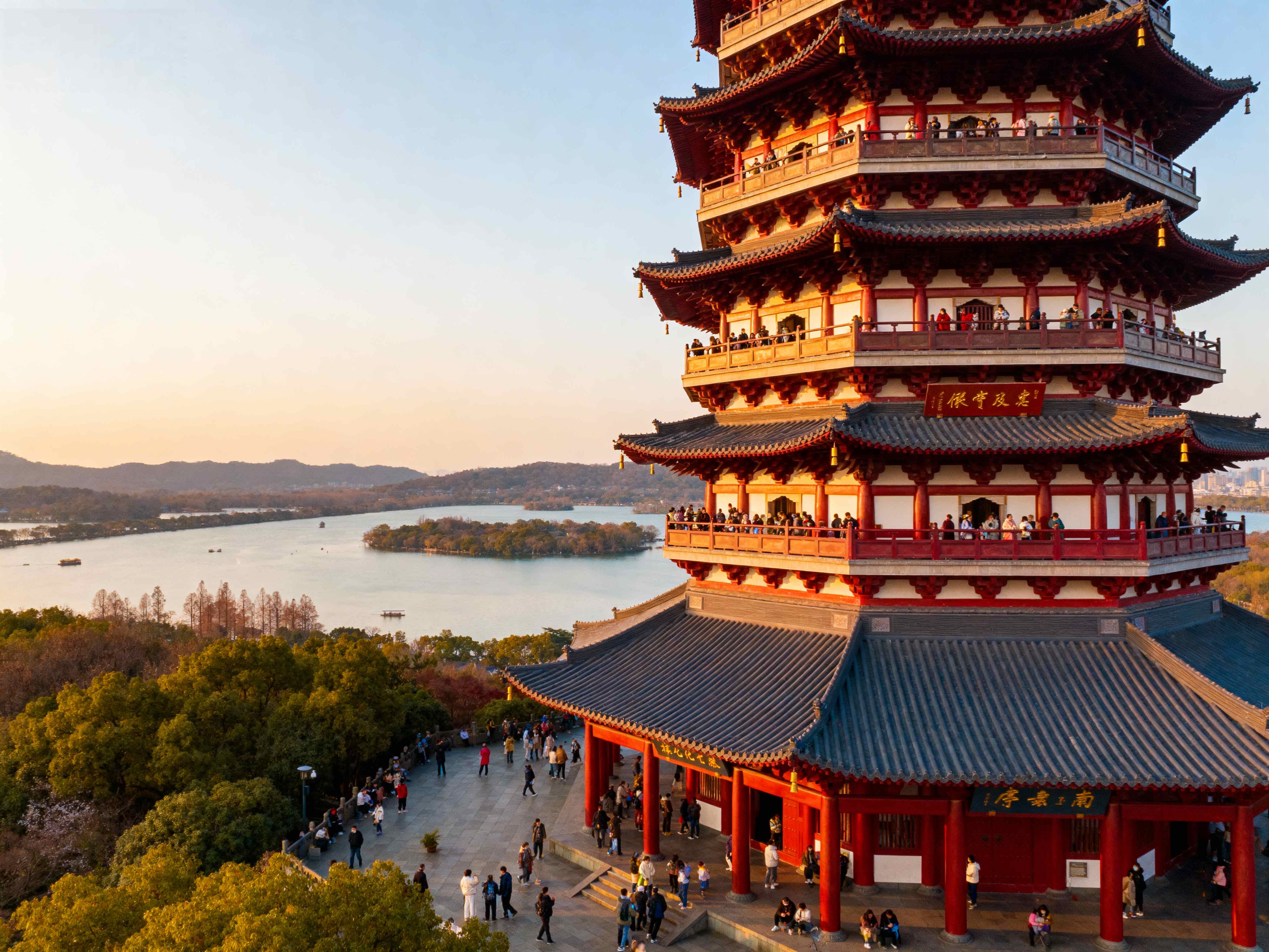
5. Leifeng Pagoda
$7 entranceRebuilt pagoda with West Lake views and legend of White Snake. Sunset spot.
🚇 How to get there: Bus Y1/Y7 from West Lake or walk
💡 Pro tip: Climb to top for 360° West Lake views. Best at sunset (6-7pm). Underground palace has ancient relics.
Practical Travel Tips for Hangzhou
Answers to the most common questions from Western travelers
Is WeChat Pay/Alipay mandatory? Can I use credit cards?
Most restaurants and shops prefer mobile payments, but tourist sites accept cash (CNY) and some take Visa/Mastercard. Our guide includes step-by-step WeChat Pay setup for foreigners (requires Chinese bank account OR use Tour Pass feature for tourists). ATMs are everywhere - Bank of China has best rates.
Is it safe for foreigners to travel alone in Hangzhou?
Yes! Hangzhou is very safe and tourist-friendly. Main concerns: fake Longjing tea sellers (buy from reputable shops only), pickpockets at West Lake on weekends, and overpriced boat rides (official price is $7). Our deep version guide lists common precautions and anti-scam tips.
Where to stay? Hotels with English-speaking staff?
Stay near West Lake for convenience. Recommended: Amanfayun ($500/night, luxury resort), West Lake State Guest House ($120, lakeside), or Airbnb near Hefang Street ($50). All major chains have English staff.
How to get from airport to city?
Airport bus to city center: $5, 60 minutes. Subway Line 1 opening soon. Didi costs $20-30. Hangzhou also has high-speed train to Shanghai (1 hour, $10).
Can I eat street food safely? Vegetarian options?
Yes! Try Dongpo pork, West Lake vinegar fish, and beggar's chicken. Hefang Street has safe street food. Vegetarian? Lingyin Temple area has excellent Buddhist vegetarian restaurants.
Common scams to avoid?
Fake Longjing tea (buy from government-certified shops only), overpriced boat rides at West Lake (official price $7), and 'art student' scams inviting you to tea ceremonies. Our deep version PDF guide includes detailed descriptions of all common scams and how to avoid them.
My Personal Experience in Hangzhou
Hangzhou: A City of Charm and Opportunity
Hangzhou is a city I've visited many times. In 2025 alone, I went there four times for business trips. In total, I’ve visited Hangzhou more than 10 times, whether for tourism, business, or layovers. I even lived there for two months while working, so I am very familiar with the city.
The beauty of Hangzhou lies not only in the misty rain over West Lake but also in the vibrant atmosphere of its alleyways. The aroma of tea from Longjing Village, the cultural heritage of Liangzhu, and the twilight along the Grand Canal are all captivating. During my business trips, I always make time to revisit these familiar streets and alleys, as if meeting old friends. This city blends modern efficiency with classical charm, making work more than just a chore, but also a poetic experience that makes you feel a sense of belonging.
Geographical Location and Advantage
Hangzhou's geographical location is quite advantageous in eastern China, especially in the southern part of the region. Situated at the heart of the Yangtze River Delta, it boasts convenient transportation and efficient connections with Shanghai and Nanjing. To the east lies the East China Sea, to the west are the Huangshan Mountains of Anhui, to the south are the Wuyi Mountains of Fujian, and to the north is Jiangsu; its location is strategically significant.
The high-speed rail network along the coast is also highly developed, making it easy to travel to another city within 500 km in a day, greatly improving travel efficiency.
My First Trip to Hangzhou
My first trip to Hangzhou was for work. After I graduated in 2011, I moved there the following year. I lived in the Xihu District because my workplace was nearby. The office was very close to the Alipay building. Alipay, one of China’s earliest online payment tools, was based there. After work, I would often stroll through Xixi Wetland Park. At that time, Hangzhou’s internet scene was already thriving, with a surge in entrepreneurship. The e-commerce, payment, and logistics chains were gradually being perfected, and Hangzhou was becoming a hub for innovation. In fact, Hangzhou is now the capital of live streaming and one of the birthplace cities for e-commerce live streaming sales.
Hangzhou’s Famous Sights
Hangzhou’s most famous attraction is West Lake. Each of the ten scenic spots around the lake has its own unique charm: in spring, there's Willow Waves and Orioles Singing; in summer, Lotus in the Breeze at Quyuan Garden; in autumn, Autumn Moon over the Calm Lake; and in winter, Snow on the Broken Bridge. As Su Shi famously wrote, “If you want to compare West Lake to Xi Shi, it’s beautiful whether lightly or heavily adorned.” Walking around the lake, every step feels like walking through a living poem.
Another iconic attraction is the Qiantang River tidal bore. Every year, around the 18th day of the eighth lunar month, the tidal bore arrives on schedule with a deafening roar and magnificent momentum, attracting countless tourists to watch. I’ve seen it many times, especially in the Qibao area, where the tide surges like a thousand galloping horses, sweeping across the riverbank in an instant. It’s truly breathtaking.
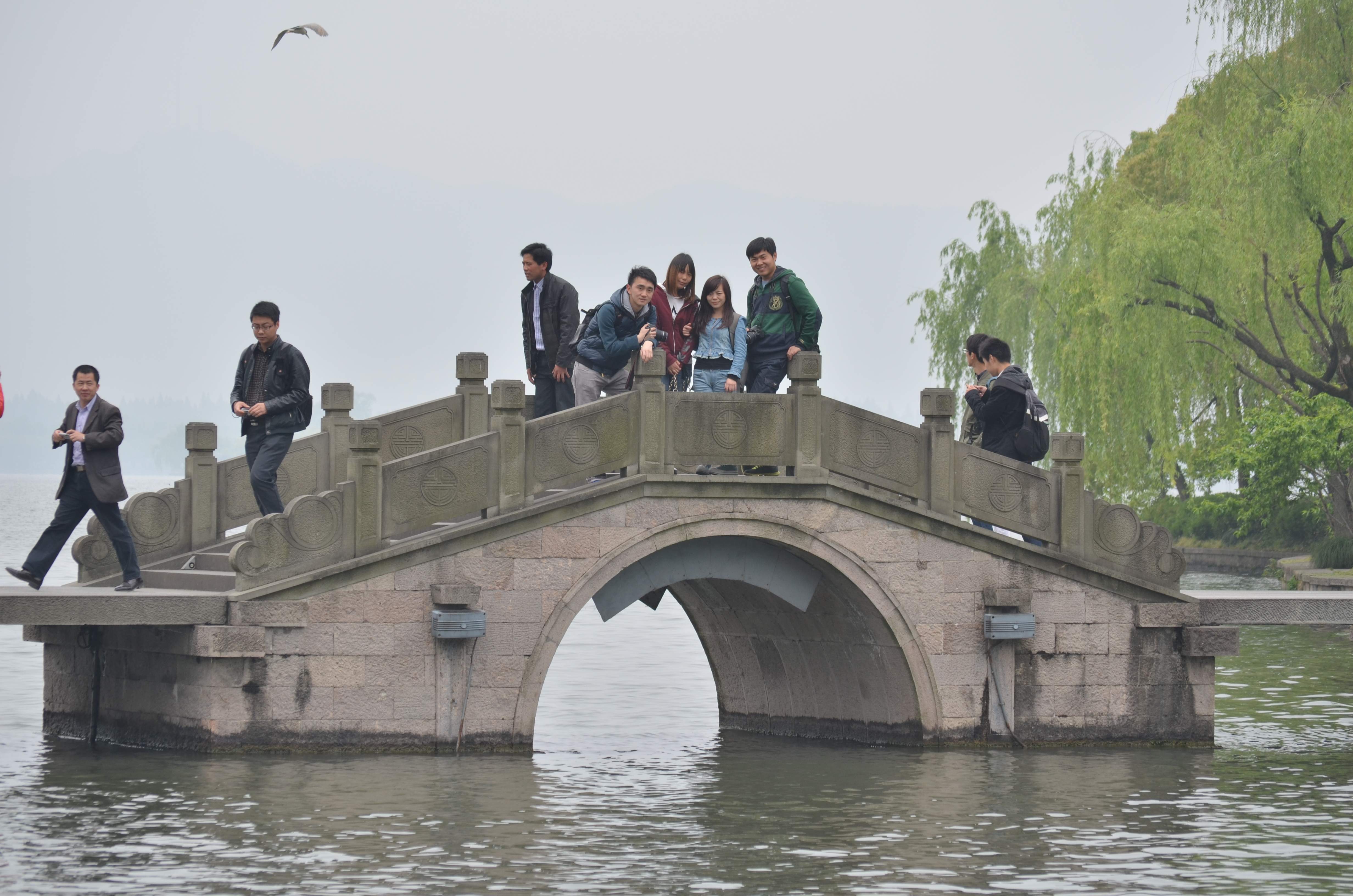
West Lake Broken Bridge, photographed in December 2012
Cultural Heritage of Hangzhou
Hangzhou, once the capital of the Southern Song Dynasty, boasts a rich cultural heritage accumulated over nine centuries. Bai Causeway and Su Causeway intertwine with the poetry of scholars and poets, while the pines and cypresses of Yue Fei Temple still proclaim the ambition to “reclaim our lost land.” The bells of Lingyin Temple, echoing through the ages, resonate with the Zen spirit of the cliff carvings on Feilai Peak. Walking along the stone-paved streets of the Southern Song Imperial Street, you can almost hear the bustling footsteps of ancient Hangzhou.
Su Dongpo, a famous poet, also left behind immortal contributions to Hangzhou. He oversaw the dredging of West Lake, built the long causeway, planted willows and peach trees, and facilitated travel for the people. This causeway, later named Su Causeway, remains one of the ten scenic views of West Lake to this day. Su Dongpo’s work in promoting water conservancy, providing disaster relief, and expressing his love for the lake and mountains through poetry is still celebrated today.
Hangzhou: A Water Town with a Modern Vibe
Hangzhou is a typical water town in the Jiangnan region. Although Hangzhou is a fast-paced city, I personally believe that a slower pace of life is actually more suitable for living there. Strolling along the West Lake, by the willow-lined embankment before the morning mist dissipates, or by the lakeside after sunset, always brings a sense of tranquility. A cup of Longjing tea and a small boat are enough to make the hours slip away.
When visiting Hangzhou, you can either stay for three to five days or rent a place in the suburbs and stay for a month or even a year. There's no need to constantly visit the city center. The city center can be crowded and lacks the relaxed charm of the suburbs. Living in the outskirts allows you to explore parks or visit Moganshan Mountain. It’s a truly pleasant experience.
Hangzhou: Modernity Meets Tradition
Overall, Hangzhou is a wonderful city. It’s modern, civilized, and clean, with a vibrant commercial atmosphere. By the way, Hangzhou also hosted the Asian Games, which improved the city's infrastructure and further enhanced its international influence.
Today, Hangzhou retains the gentle charm of an ancient Jiangnan city while pulsating with the cutting-edge energy of the digital age. The aroma of tea fills the air in Longjing Village at dawn, while the lights of Qianjiang New City blaze in the evening. Tradition and modernity coexist harmoniously here. Urban greenways connect mountains, rivers, and cultural sites, and the subway network extends into the countryside. Cycling along Xianghu Lake or strolling through the Liangzhu Ruins offers a chance to experience the serene beauty of life.
This city is not only ideal for dreamers to strive for but also for those seeking peace and tranquility to reside in.
Conclusion
If you're visiting China for business or reside in the eastern coastal region, Hangzhou is undoubtedly an ideal tourist destination. It offers stunning natural scenery, as well as great job opportunities.
Finally, I wish everyone a wonderful trip to Hangzhou, whether you’re visiting for leisure or working here.
Comments (0)
Frequently Asked Questions About Hangzhou
Real questions from travelers planning their trip
Q1: What are the biggest mistakes Western visitors make in Hangzhou, and how can I avoid them?
Mistake #1: Only visiting West Lake and missing Longjing tea plantations. #2: Buying fake Longjing tea from street vendors. #3: Visiting on weekends (too crowded). #4: Not trying authentic Hangzhou cuisine (Dongpo pork, West Lake fish). #5: Skipping Lingyin Temple. #6: Taking overpriced boat rides (official price is $7).
Q2: As a foreigner, how long can I stay in China visa-free? Where can I check this information?
Visa-free duration varies by nationality (typically 15-30 days for eligible countries). Check official sources: a) Ministry of Foreign Affairs of the People's Republic of China - Consular Service website, b) National Immigration Administration of China official platform, c) Chinese Embassy/Consulate in your home country. Requirements and eligible countries change frequently, so always verify before booking flights.
Q3: Do I need travel insurance for China, and what should it cover?
Yes, highly recommended! Your insurance should cover: medical emergencies (hospitals may require upfront payment), medical evacuation, trip cancellation/interruption, lost luggage, and personal liability. Ensure it covers adventure activities if you plan hiking (Great Wall) or skiing. Some policies exclude pre-existing conditions. Recommended providers: World Nomads, SafetyWing, or Allianz. Cost: $30-80 for a week. Keep policy documents offline as you may not access cloud storage without VPN.
Q4: Is Didi (China's Uber) safe and easy for foreigners?
Yes! Didi is safe, affordable, and foreigner-friendly. Download the app before arrival and link an international credit card or Alipay/WeChat Pay. The app has English interface. Drivers may not speak English, but the app translates your destination. Safety features: GPS tracking, driver ratings, emergency button. Cost: 50-70% cheaper than taxis. Pro tip: Screenshot your destination in Chinese to show drivers if needed. Avoid unlicensed 'black cabs' at airports.
Q5: Do all hotels accept foreigners, or are some 'Chinese only'?
Not all hotels can accept foreigners - they need a special license to register foreign passports. International chains (Hilton, Marriott, Hyatt) and most 3-star+ hotels in major cities are licensed. Budget hostels and small guesthouses may not be. Always confirm when booking: look for 'accepts foreign guests' or ask directly. Bring your passport - hotels must register you with local police within 24 hours (standard procedure, not concerning).
Latest Travel Tips
Explore More Destinations
Discover other amazing cities in China with our comprehensive travel guides