
Chongqing Travel Guide: Your Complete Guide to China's Mountain City
Everything you need to know: Authentic hotpot restaurants, Hongya Cave night views, Yangtze River cruise booking, metro navigation tips, scam prevention, and hidden viewpoints
Discover Hongya Cave, Yangtze Cableway, spicy hotpot, and cyberpunk skyline. In-depth guide for Western visitors.
Why Chongqing? Quick Overview
Everything Western visitors need to know before booking
Cyberpunk Mountain Megacity
Built on mountains and rivers - futuristic skyline, spicy hotpot, and Yangtze River cruises
Hongya Cave, Ciqikou Ancient Town, and Yangtze River Cableway
Spicy Hotpot Capital
Birthplace of Sichuan hotpot - numbingly spicy and incredibly addictive!
Fine dining, street food, everything available
Budget-Friendly ($40-120/day)
Affordable megacity: 4-star hotels at $55/night, metro rides at $0.40
Deep version guide includes WeChat/Alipay payment setup guide
Beyond Tourist Traps
Deep version guide includes practical anti-scam tips to avoid being cheated
Common local scams, overcharging, and more
🏔️ Planning a Road Trip in Western China?
Get our FREE high-altitude driving safety guide before you go!
High-Altitude Driving Essentials
Get 5 Must-Know Tips for Safe Western China Roads (FREE PDF)
Top 5 Must-Visit Attractions in Chongqing
With prices, transport directions, and insider tips to avoid crowds
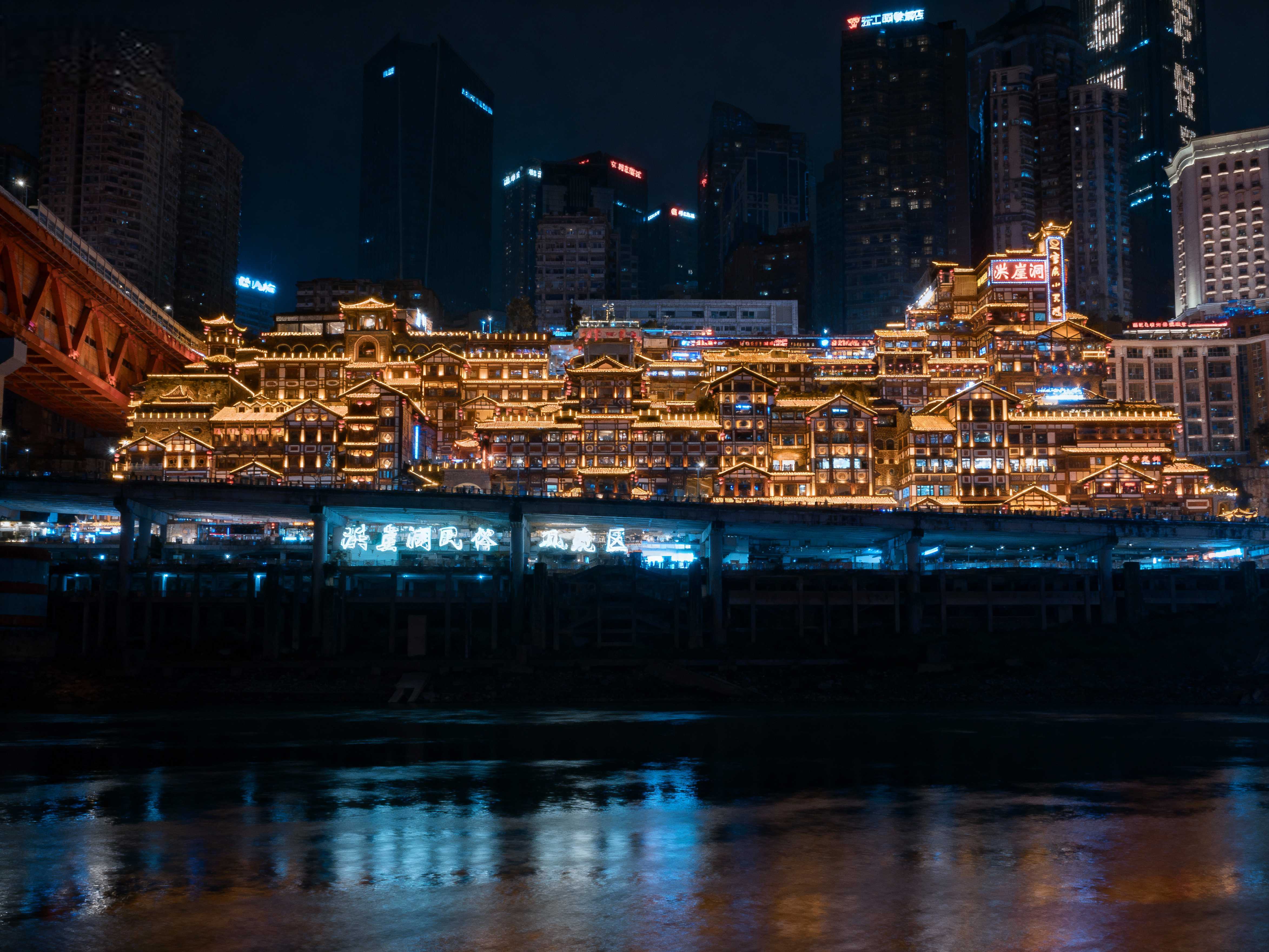
1. Hongya Cave
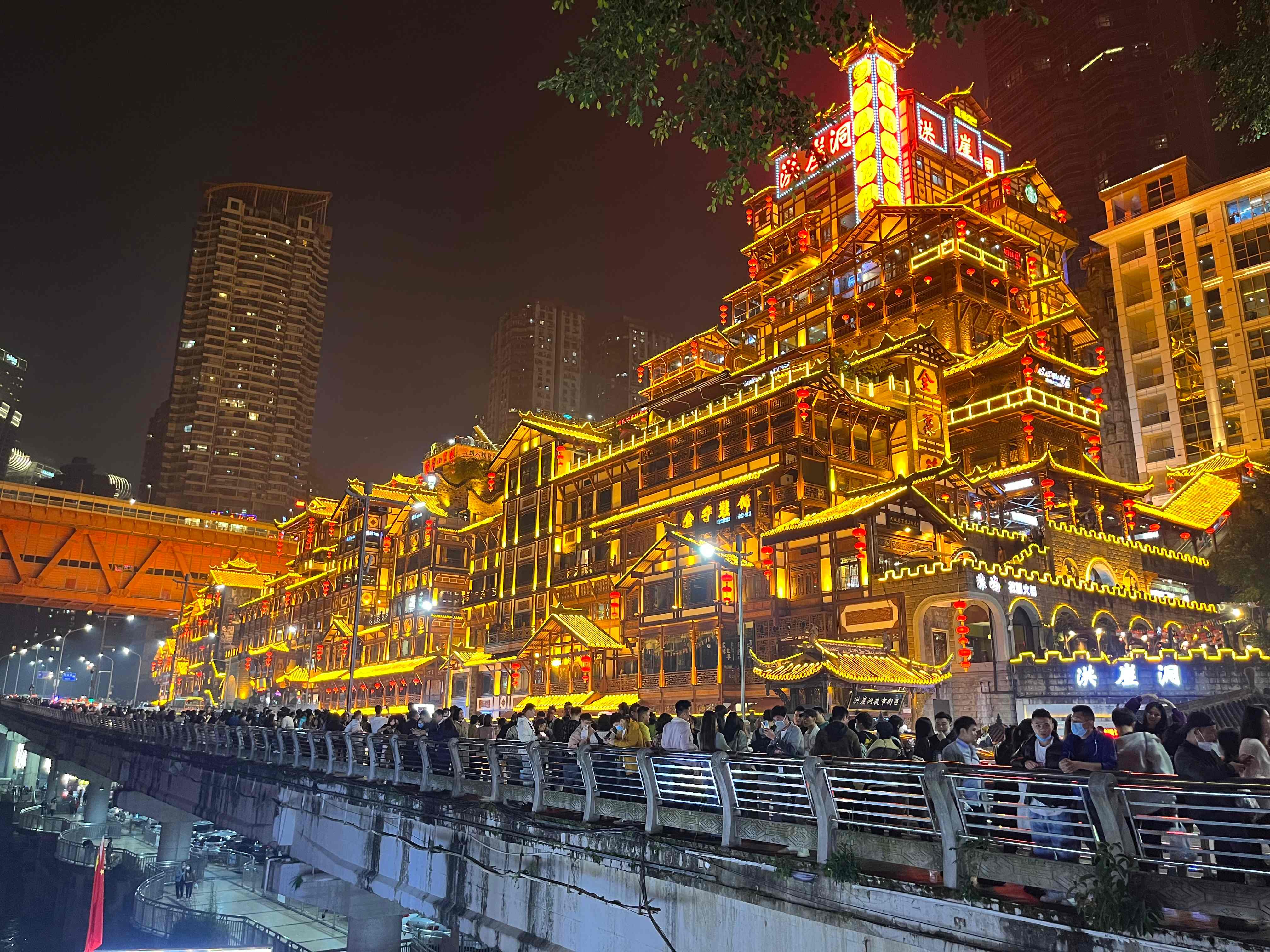
FreeStunning stilted building complex lit up at night. Cyberpunk aesthetic with restaurants and shops.
🚇 How to get there: Subway Line 1/6 to Xiaoshizi station
💡 Pro tip: Best at night (7-10pm) for lights. Very crowded on weekends. Take photos from across the river. Overpriced restaurants inside.
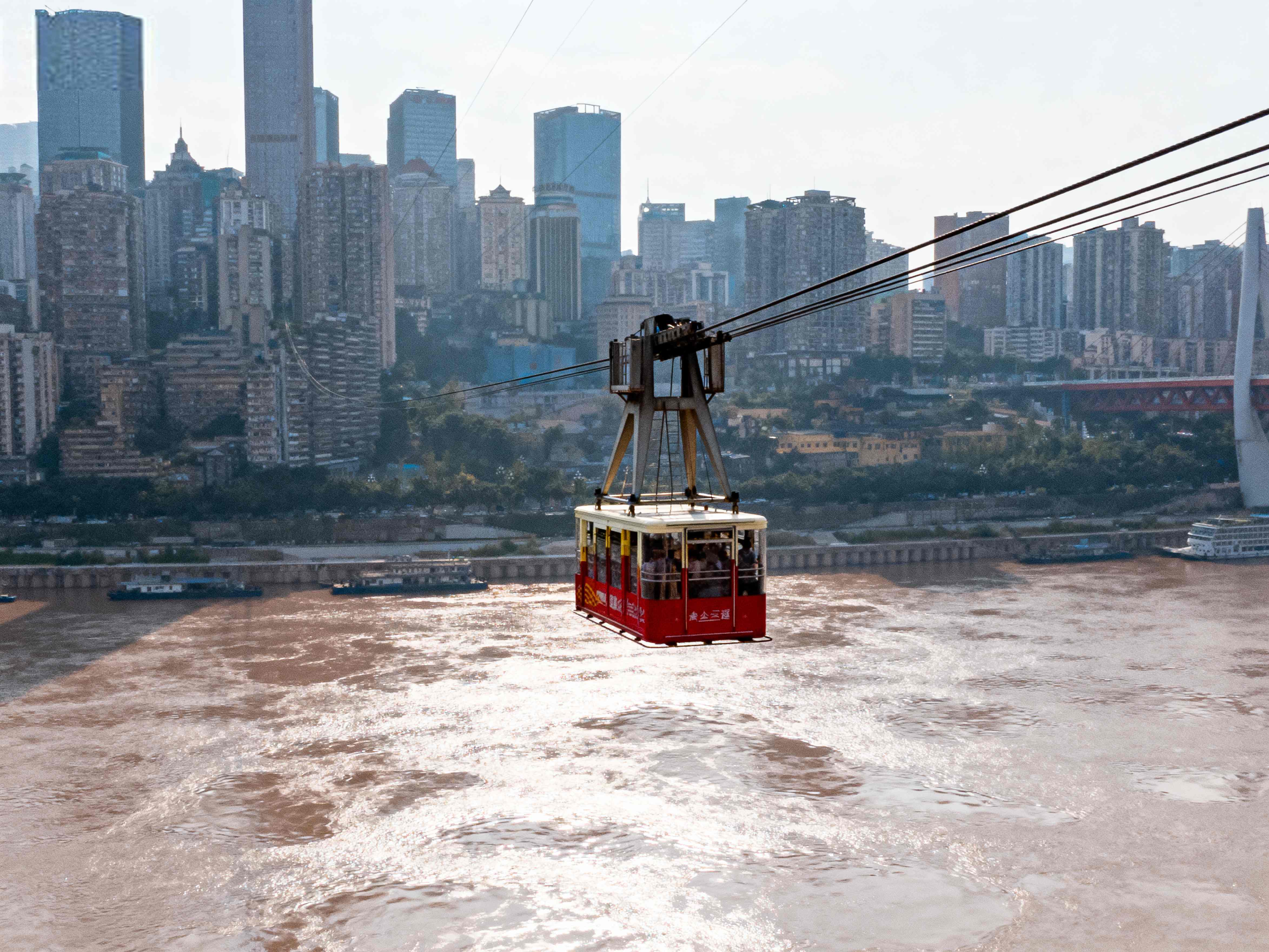
2. Yangtze River Cableway
$3 one-way, $5 round-tripHistoric cable car crossing Yangtze River. Stunning city views from above.
🚇 How to get there: Subway Line 1/6 to Xiaoshizi, then 10-min walk
💡 Pro tip: Go early (8am) or late (8pm) to avoid 2-hour queues. Round-trip recommended for photos. Thrilling experience!
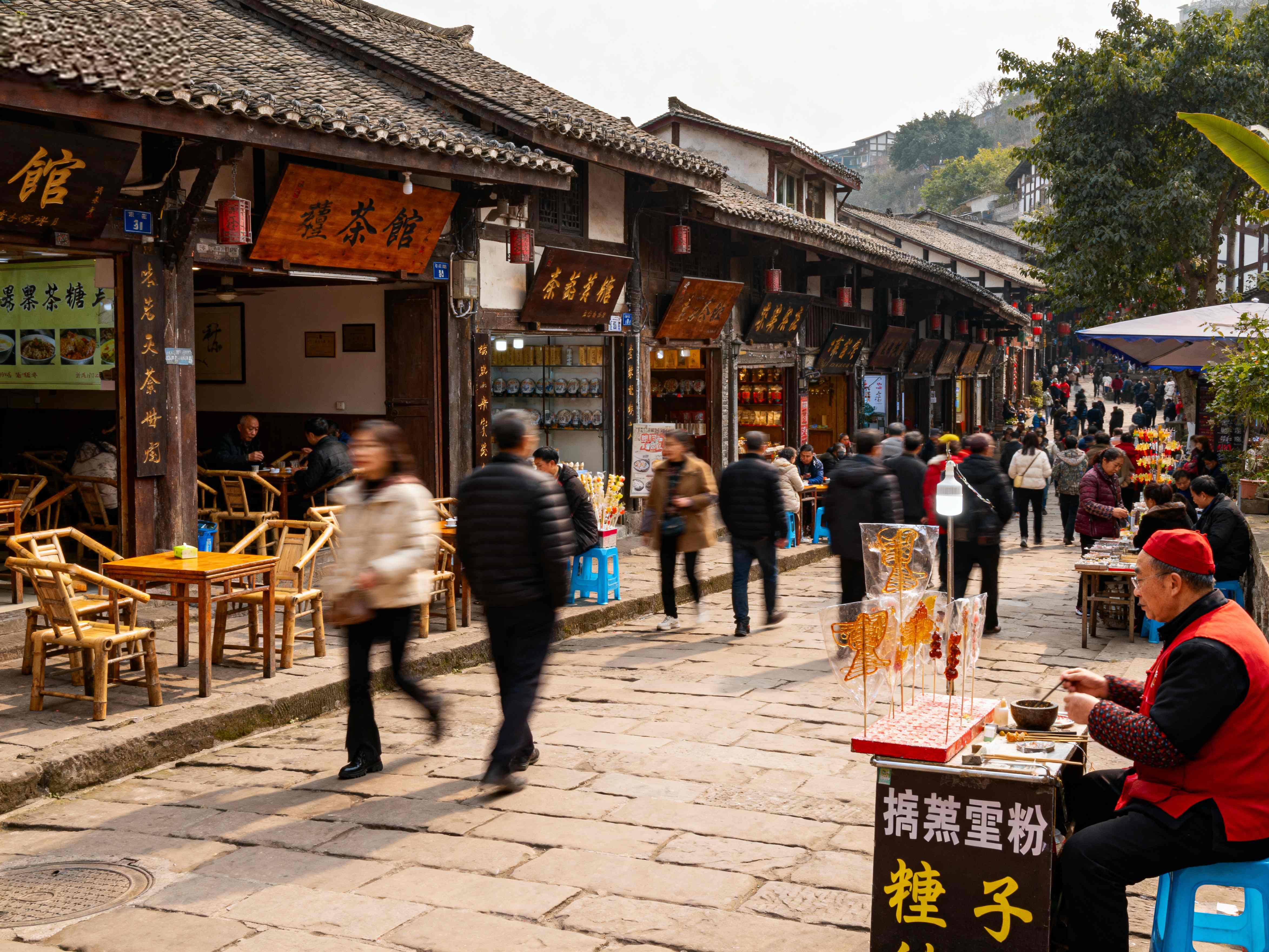
3. Ciqikou Ancient Town
Free1,800-year-old riverside town with traditional architecture, street food, and handicrafts.
🚇 How to get there: Subway Line 1 to Ciqikou station
💡 Pro tip: Try Chongqing snacks: chen mahua (twisted dough), hot and sour noodles. Bargain for souvenirs. Crowded on weekends.
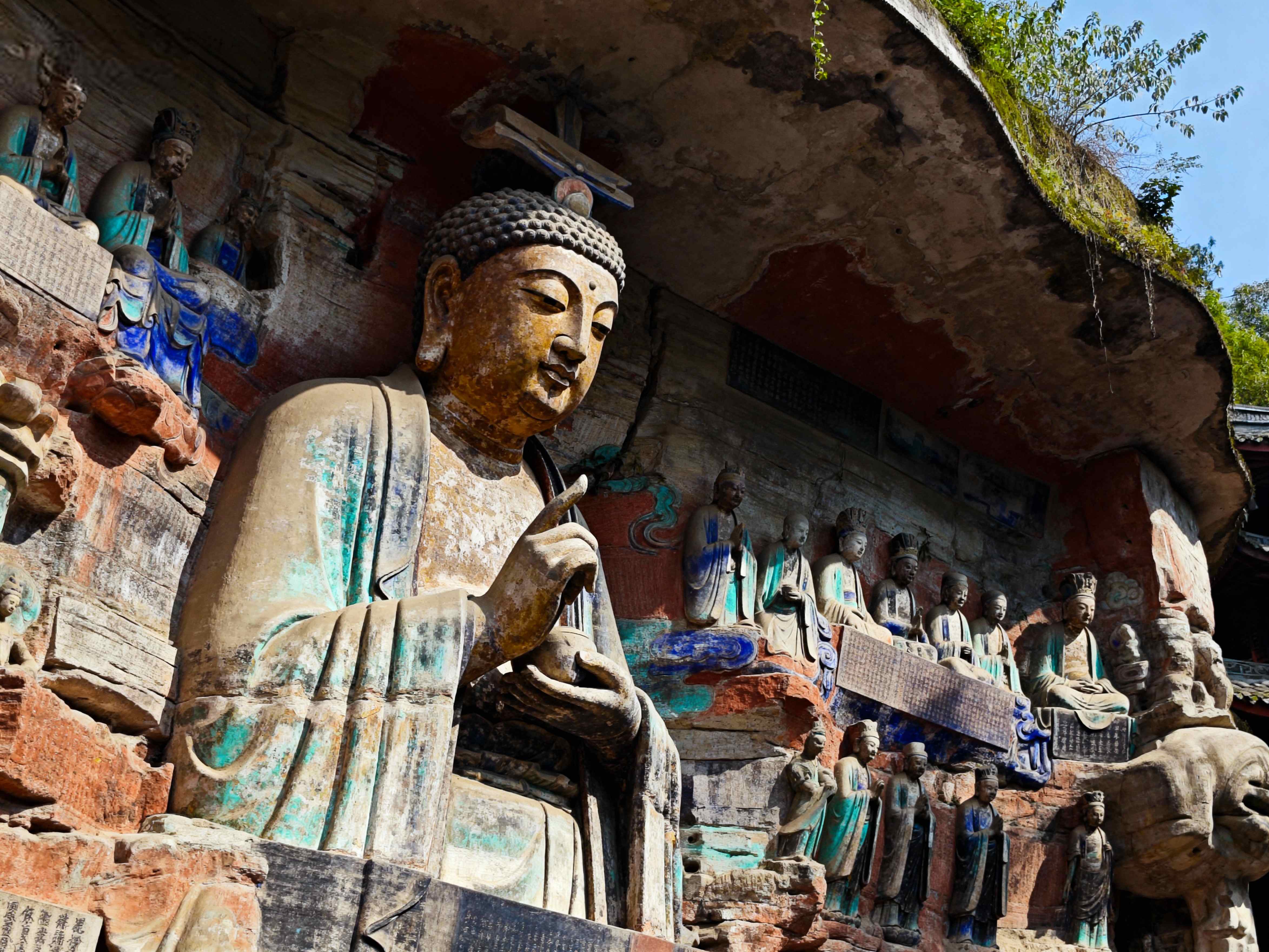
4. Dazu Rock Carvings
$20 entranceUNESCO World Heritage Site. 50,000 Buddhist statues carved into cliffs (9th-13th century).
🚇 How to get there: Bus from Caiyuanba Bus Station (2 hours) or tour
💡 Pro tip: Hire English guide ($20) for context. Baoding Mountain is main site. Bring hat and water. Best-preserved carvings in China.
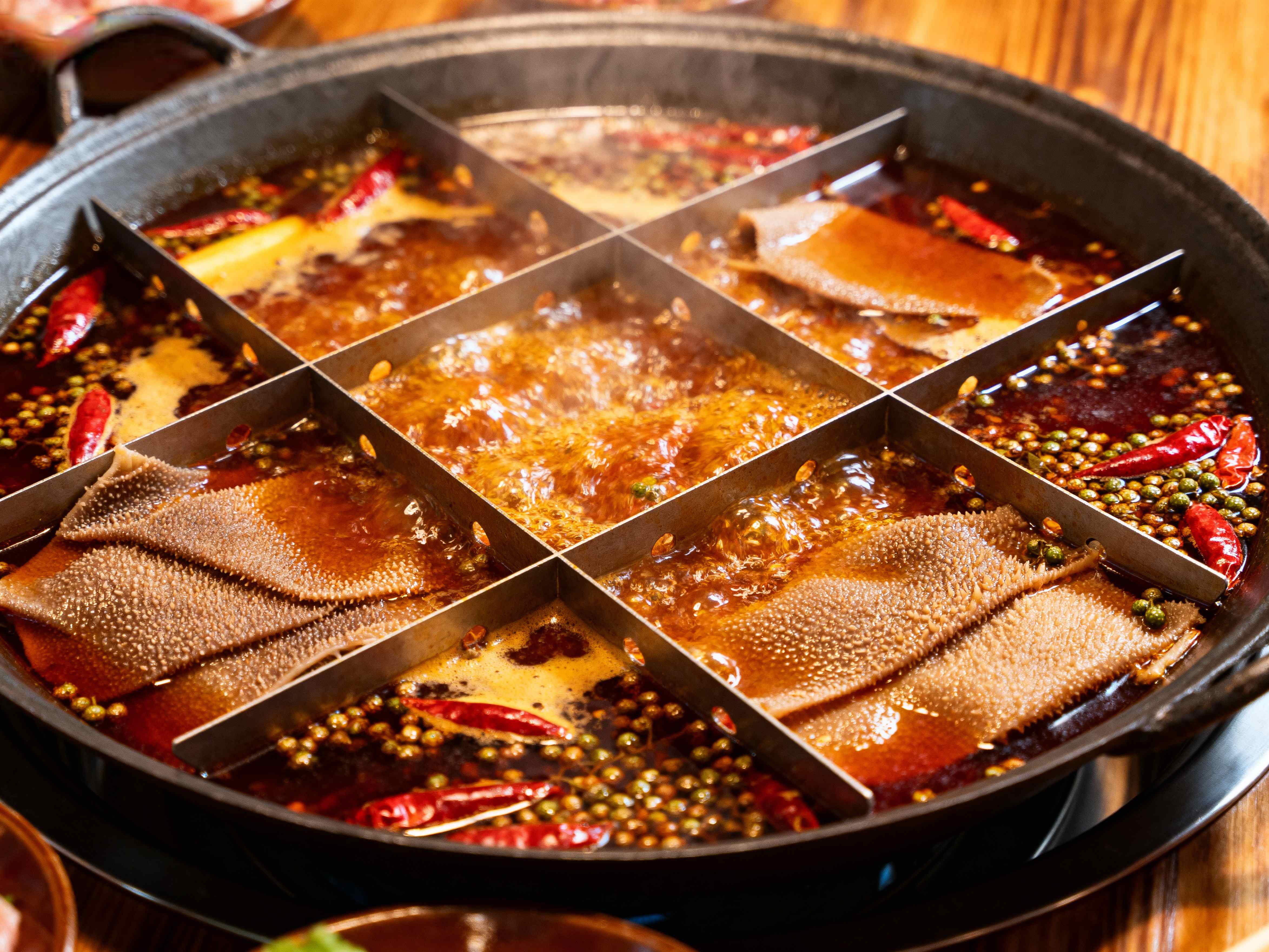
5. Chongqing Hotpot Experience
$15-30 per personAuthentic Chongqing hotpot - spicy, numbing, and addictive. Cultural food experience.
🚇 How to get there: Everywhere! Try Dezhuang, Qin Ma, or Xiaotian E
💡 Pro tip: Order half-spicy half-mild pot. Must-try: duck intestines, beef, lotus root. Beer helps with spice. Embrace the sweat!
Practical Travel Tips for Chongqing
Answers to the most common questions from Western travelers
Is WeChat Pay/Alipay mandatory? Can I use credit cards?
Most restaurants and shops prefer mobile payments, but tourist sites accept cash (CNY) and some take Visa/Mastercard. Our guide includes step-by-step WeChat Pay setup for foreigners (requires Chinese bank account OR use Tour Pass feature for tourists). ATMs are everywhere - Bank of China has best rates.
Is it safe for foreigners to travel alone in Chongqing?
Yes! Chongqing is safe despite being a megacity (30+ million people). Main concerns: pickpockets at tourist sites and metro stations, getting lost (confusing mountain geography - GPS can be unreliable), and spicy food (ask for 'bu la' = not spicy). Our deep version guide lists common precautions and anti-scam tips.
Where to stay? Hotels with English-speaking staff?
Jiefangbei area (city center, convenient) or Nanbin Road (riverside, views). Recommended: Hilton Chongqing ($80/night, riverside), Hanting Hotel ($30, budget chain), or Airbnb near Hongya Cave ($40). All major chains have English staff.
How to get from airport to city?
Airport metro Line 10 to city center ($3, 1 hour). Airport bus to various districts: $5, 60-90 minutes. Didi costs $25-40. Chongqing has 3 main train stations - Chongqing North, Chongqing West, and Shapingba (check carefully!).
Can I eat street food safely? Vegetarian options?
Yes! Try Chongqing hotpot (spicy!), xiaomian (spicy noodles), and mahua (fried dough) at Ciqikou and Jiefangbei. Everything is spicy! Ask for 'bu la' if you can't handle heat. Vegetarian? Buddhist restaurants near Luohan Temple serve veggie hotpot. Western cafes in Jiefangbei area.
Common scams to avoid?
Hotpot restaurant scams are most common - they charge for 'free' side dishes, or add items you didn't order. Always check the bill carefully. Also watch for: fake taxi drivers at train stations (use Didi), tea ceremony scams, and overpriced souvenirs at Hongya Cave. Our deep version PDF guide includes detailed descriptions of all common scams and how to avoid them.
My Personal Experience in Chongqing
Chongqing: The Mountain City of Magic
Chongqing is a special city—one I’ve visited five times, one where I plan to live for a year, and one I both love and fear.
Why is Chongqing so special? Located in western China, the city and its surrounding districts are built among mountains. Skyscrapers intertwine with stairways and tiered roads that form a maze-like pattern. Despite this challenging terrain, Chongqing stands as the only municipality directly under the central government in western China.

At the heart of Chongqing flows the Yangtze River. Here, it meets the Jialing River, shaping the city’s distinctive landscape and role as a major transportation hub. The embrace of the two rivers gives Chongqing its grand, flowing spirit. Rivers such as the Wu River and Fu River also converge within the municipality, creating a dense water network that nourishes both its ecology and culture.
First Impressions
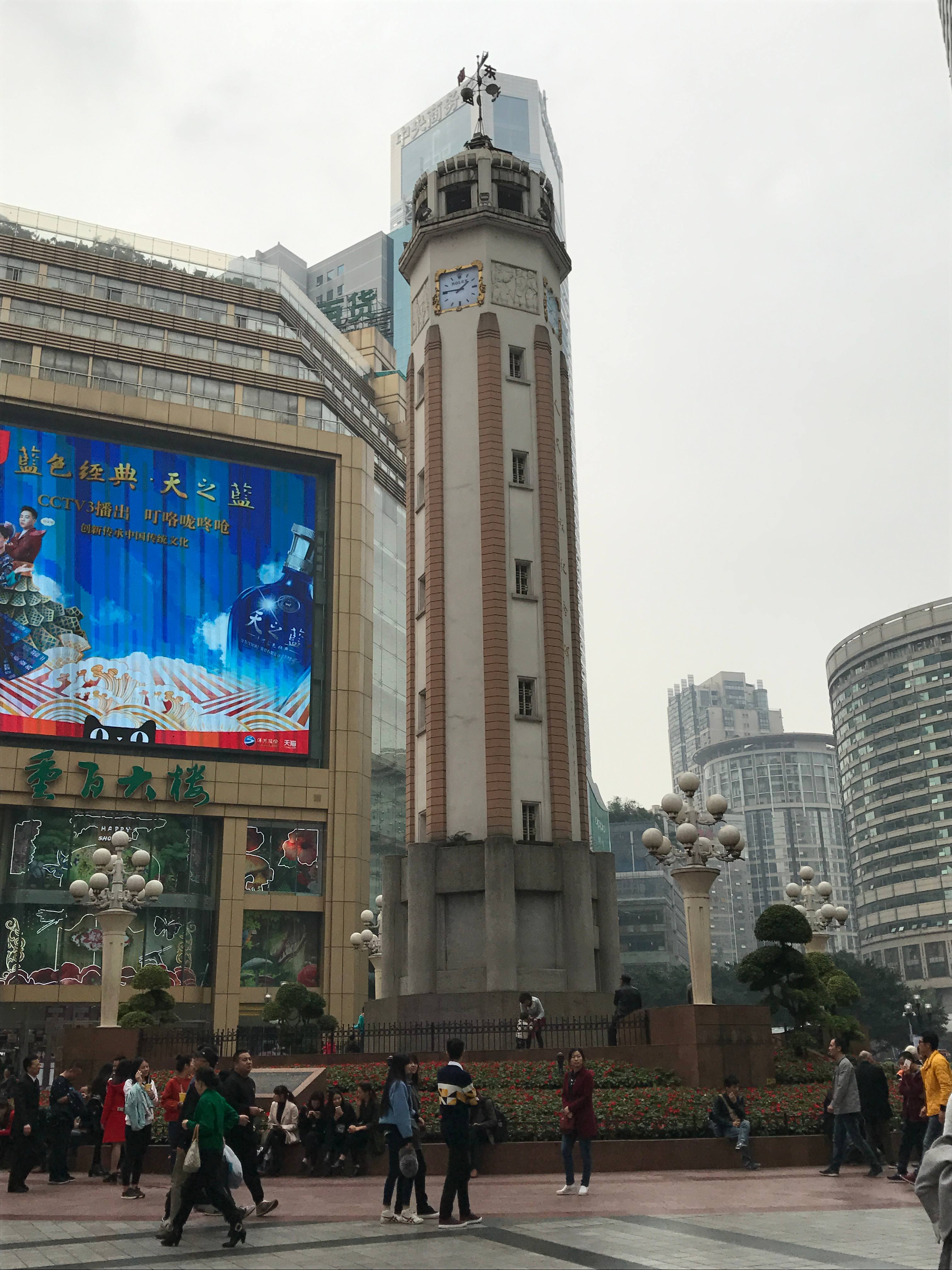
I first visited Chongqing in 2016—more than nine years ago now. My first stop was Jiefangbei, the city’s landmark. Standing before the monument and looking up, I was surrounded by bustling crowds and layers of high-rises, as if at the center of a three-dimensional labyrinth.
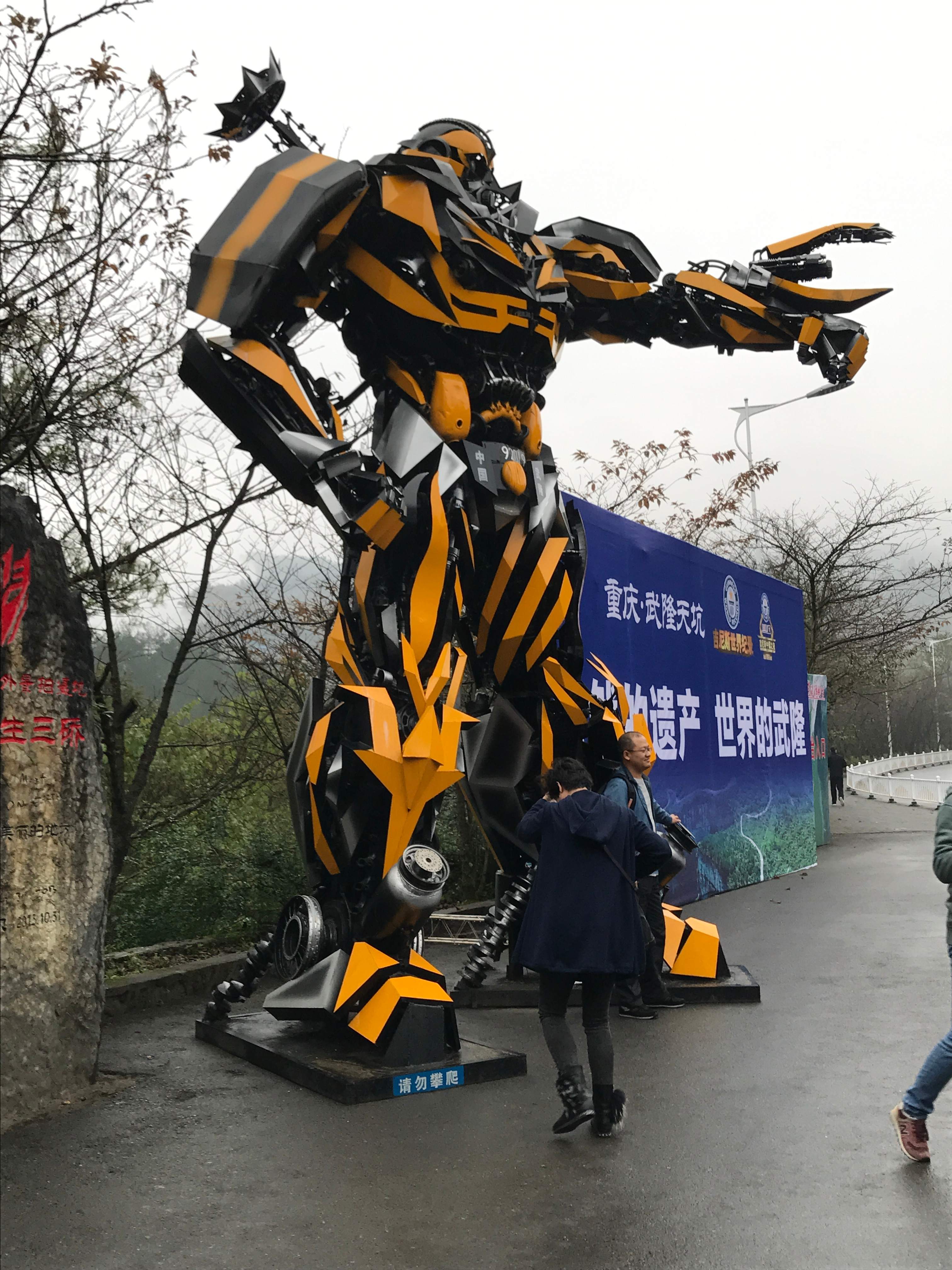
On the second day, I visited the Wulong Karst. Its tiankengs and fissures are among the filming locations for Transformers and other movies. It was my first time seeing a sinkhole—truly awe-inspiring.
Second Visit
On my second trip in 2017, I stayed a bit longer. The first stop was the now-famous Hongya Cave. Back then, it was only mildly popular. Its resemblance to scenes from Spirited Away later made it go viral.
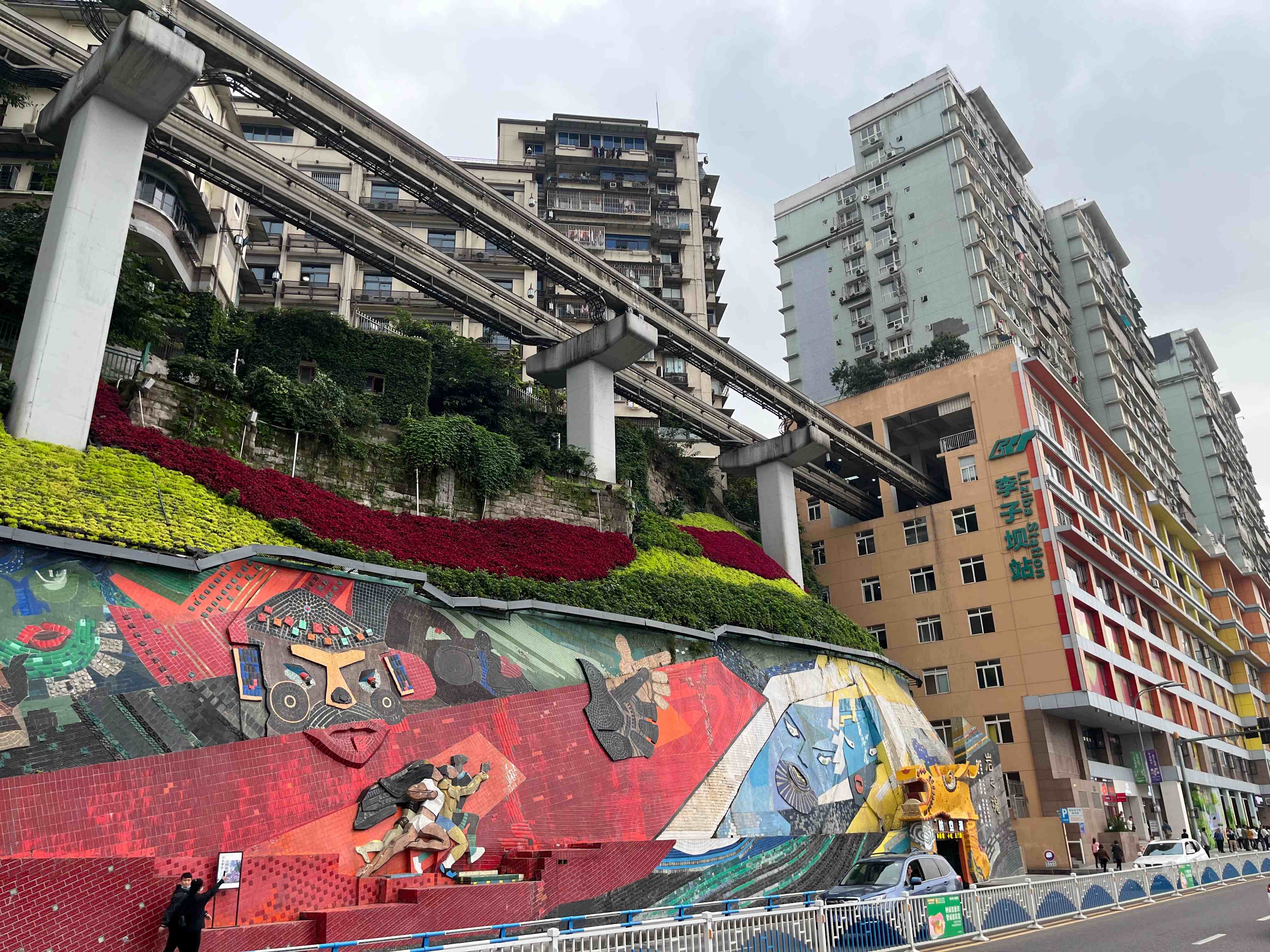
Next was Liziba, where the light rail runs straight through a residential building. Watching the train roar through the structure felt like stepping into a sci-fi movie come to life. It struck me then: this is not just a transportation marvel, but a testament to how Chongqing’s people create infinite possibilities within limited space.
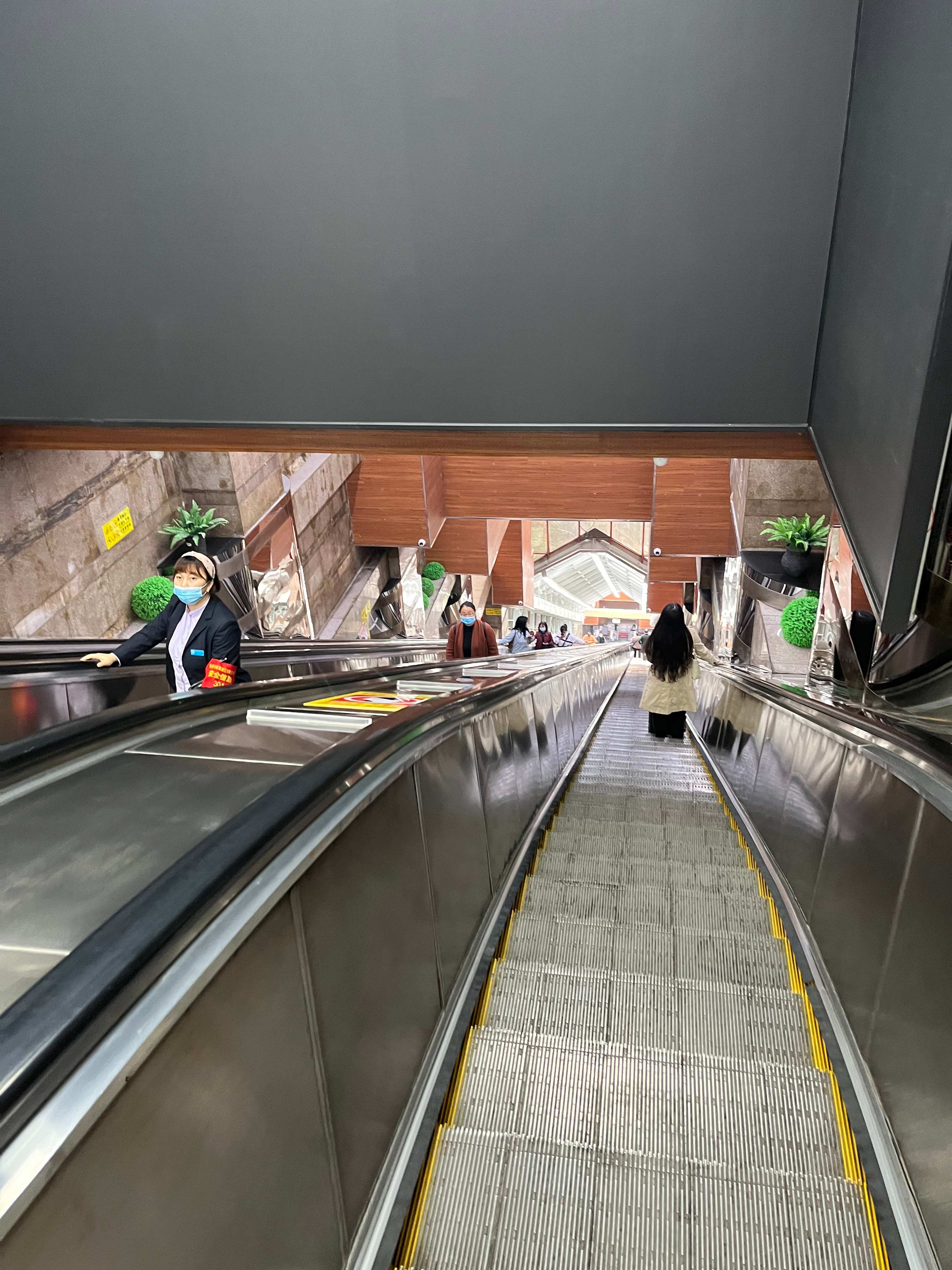
Then came the Crown Escalator—the longest of its kind in China and the second longest in Asia. It stretches 112 meters with a vertical rise of 52.7 meters, equivalent to an 18-story building. Every day, tens of thousands of passengers ride it. Truly astonishing.
From a riverside lookout, I admired Chongqing’s famous “8D” cityscape. The reputation isn’t exaggerated—drivers often make over a dozen consecutive right turns just to reach the riverbank. You’ll even find forks inside tunnels, rare elsewhere but common here. That’s partly why I both love and fear this city: its roads are thrilling yet chaotic. Even as an experienced driver, I’d tread carefully.

The City’s Changing Face
I also visited Ciqikou and Chaotianmen. It was my first time at Chaotianmen, before Raffles City was completed. Today, the area has been reborn—Raffles City rises at the confluence like a giant ship, magnificent and commanding.
Hotpot: The Soul of Chongqing
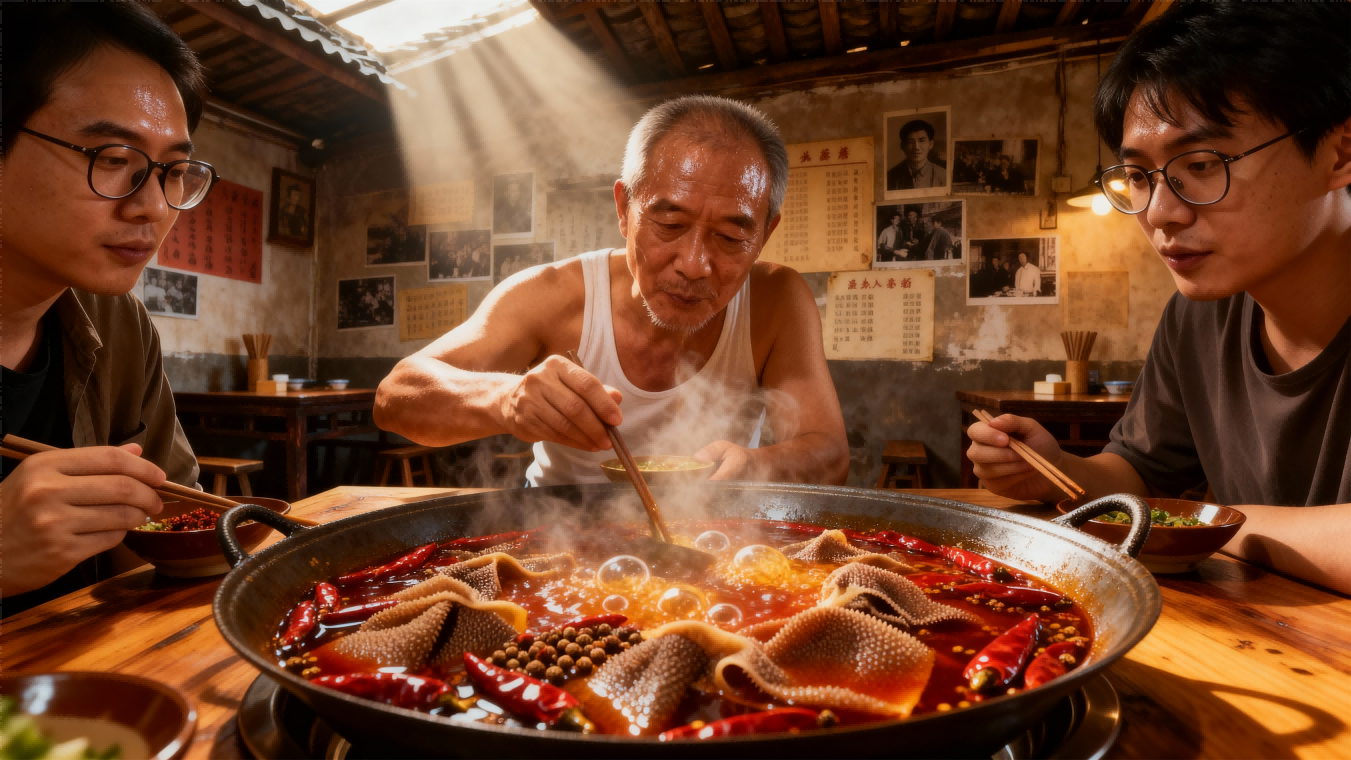
Hotpot originated in Chongqing, first as a way for dockworkers to stay warm in winter—boiling offal in spicy broth to fight the cold. Over time, it evolved into a beloved culinary tradition. The numbing heat and rich aroma reflect the bold, straightforward character of the Bayu people. From street stalls to major chains, hotpot has become more than just food—it’s a cultural symbol that connects emotions and preserves memories.
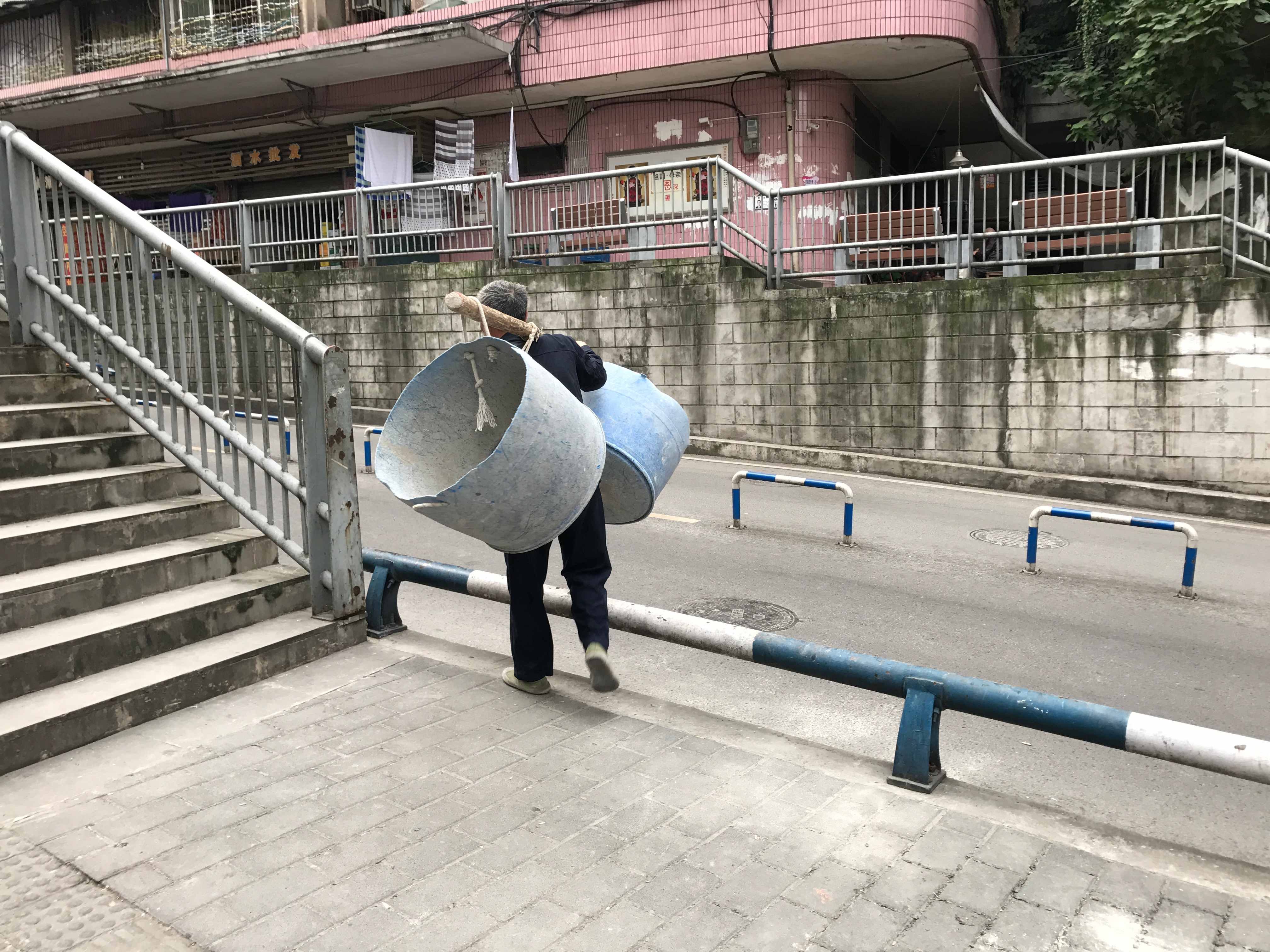
Because Chongqing’s location made it a vital waterway in the west, Chaotianmen became especially important. It’s also where hotpot culture began. The city’s steep, mountainous terrain left little flat land, making transportation laborious in the past. So the “Bangbang Army” emerged—porters who carried goods with bamboo poles, sustaining families and keeping the city running.
The Spirit of the Bangbang
The Bangbang deserve deep respect. With their shoulders, they bore the weight of life—and lifted the city’s economy. The story of Ran Guanghui moved countless people, but many more unnamed Bangbang silently climbed the endless steps. Today, machines have replaced much of that labor; only a few remain. One day, the profession may disappear, but its spirit will endure.
Beyond the Main City
So far, I’ve mostly described the main urban area. But Chongqing is vast. In early 2025, while living in Enshi, I visited Chongqing three more times, traveling through the eastern corridor—Wanzhou, Yunyang, Fengjie, Wushan, and Wuxi—and witnessing the grandeur and transformation of the Three Gorges region.
Chongqing has 38 districts and counties. I’ve visited fewer than half, so I plan to live there for a year and explore them all. I’ll update my blog as I go—hope you’ll enjoy following the journey.

Final Thoughts
Chongqing is a city of magic—complex, powerful, and unforgettable. It’s a place that challenges you and charms you at the same time. For those who love adventure, few cities in China are as fascinating to explore.
Comments (0)
Frequently Asked Questions About Chongqing
Real questions from travelers planning their trip
Q1: What are the biggest mistakes Western visitors make in Chongqing, and how can I avoid them?
Mistake #1: Not trying authentic Chongqing hotpot (it's spicier than Chengdu!). #2: Only visiting Hongya Cave and missing Ciqikou Ancient Town. #3: Visiting in summer (extremely hot and humid, 35-40°C, 'one of China's three furnaces'). #4: Relying on GPS (mountain geography confuses maps - ask locals). #5: Skipping Dazu Rock Carvings (UNESCO site, worth the day trip). #6: Not experiencing the Yangtze River Cableway.
Q2: As a foreigner, how long can I stay in China visa-free? Where can I check this information?
Visa-free duration varies by nationality (typically 15-30 days for eligible countries). Check official sources: a) Ministry of Foreign Affairs of the People's Republic of China - Consular Service website, b) National Immigration Administration of China official platform, c) Chinese Embassy/Consulate in your home country. Requirements and eligible countries change frequently, so always verify before booking flights.
Q3: Do I need travel insurance for China, and what should it cover?
Yes, highly recommended! Your insurance should cover: medical emergencies (hospitals may require upfront payment), medical evacuation, trip cancellation/interruption, lost luggage, and personal liability. Ensure it covers adventure activities if you plan hiking (Great Wall) or skiing. Some policies exclude pre-existing conditions. Recommended providers: World Nomads, SafetyWing, or Allianz. Cost: $30-80 for a week. Keep policy documents offline as you may not access cloud storage without VPN.
Q4: Is Didi (China's Uber) safe and easy for foreigners?
Yes! Didi is safe, affordable, and foreigner-friendly. Download the app before arrival and link an international credit card or Alipay/WeChat Pay. The app has English interface. Drivers may not speak English, but the app translates your destination. Safety features: GPS tracking, driver ratings, emergency button. Cost: 50-70% cheaper than taxis. Pro tip: Screenshot your destination in Chinese to show drivers if needed. Avoid unlicensed 'black cabs' at airports.
Q5: Do all hotels accept foreigners, or are some 'Chinese only'?
Not all hotels can accept foreigners - they need a special license to register foreign passports. International chains (Hilton, Marriott, Hyatt) and most 3-star+ hotels in major cities are licensed. Budget hostels and small guesthouses may not be. Always confirm when booking: look for 'accepts foreign guests' or ask directly. Bring your passport - hotels must register you with local police within 24 hours (standard procedure, not concerning).
Latest Travel Tips
Explore More Destinations
Discover other amazing cities in China with our comprehensive travel guides