
Chengdu Travel Guide: Your Complete Guide to the Land of Pandas and Spice
Everything you need to know: Giant Panda Base tickets, authentic hotpot spots, Sichuan opera shows, tea house culture, scam prevention, and hidden local gems
Discover giant pandas, Sichuan hotpot, ancient temples, and laid-back teahouse culture. In-depth guide for Western visitors.
Why Chengdu? Quick Overview
Everything Western visitors need to know before booking
Pandas & Ancient Culture
Home to giant pandas and 2,300 years of history - the most laid-back city in China
Giant Panda Base, Wuhou Shrine, and traditional teahouse culture
Sichuan Hotpot & Mapo Tofu
From fiery hotpot to dan dan noodles - birthplace of Sichuan cuisine
Fine dining, street food, everything available
Budget-Friendly ($45-130/day)
Affordable city: 4-star hotels at $65/night, metro rides at $0.40
Deep version guide includes WeChat/Alipay payment setup guide
Beyond Tourist Traps
Deep version guide includes practical anti-scam tips to avoid being cheated
Common local scams, overcharging, and more
🏔️ Planning a Road Trip in Western China?
Get our FREE high-altitude driving safety guide before you go!
High-Altitude Driving Essentials
Get 5 Must-Know Tips for Safe Western China Roads (FREE PDF)
Top 5 Must-Visit Attractions in Chengdu
With prices, transport directions, and insider tips to avoid crowds

1. Chengdu Research Base of Giant Panda Breeding
$10 entranceWorld-famous panda sanctuary with 80+ giant pandas. See baby pandas, feeding time, and conservation efforts.
🚇 How to get there: Subway Line 3 to Panda Avenue, then bus 87 or taxi
💡 Pro tip: Arrive at 8am for feeding time. Pandas are most active in morning. Book panda volunteer program ($150) in advance.
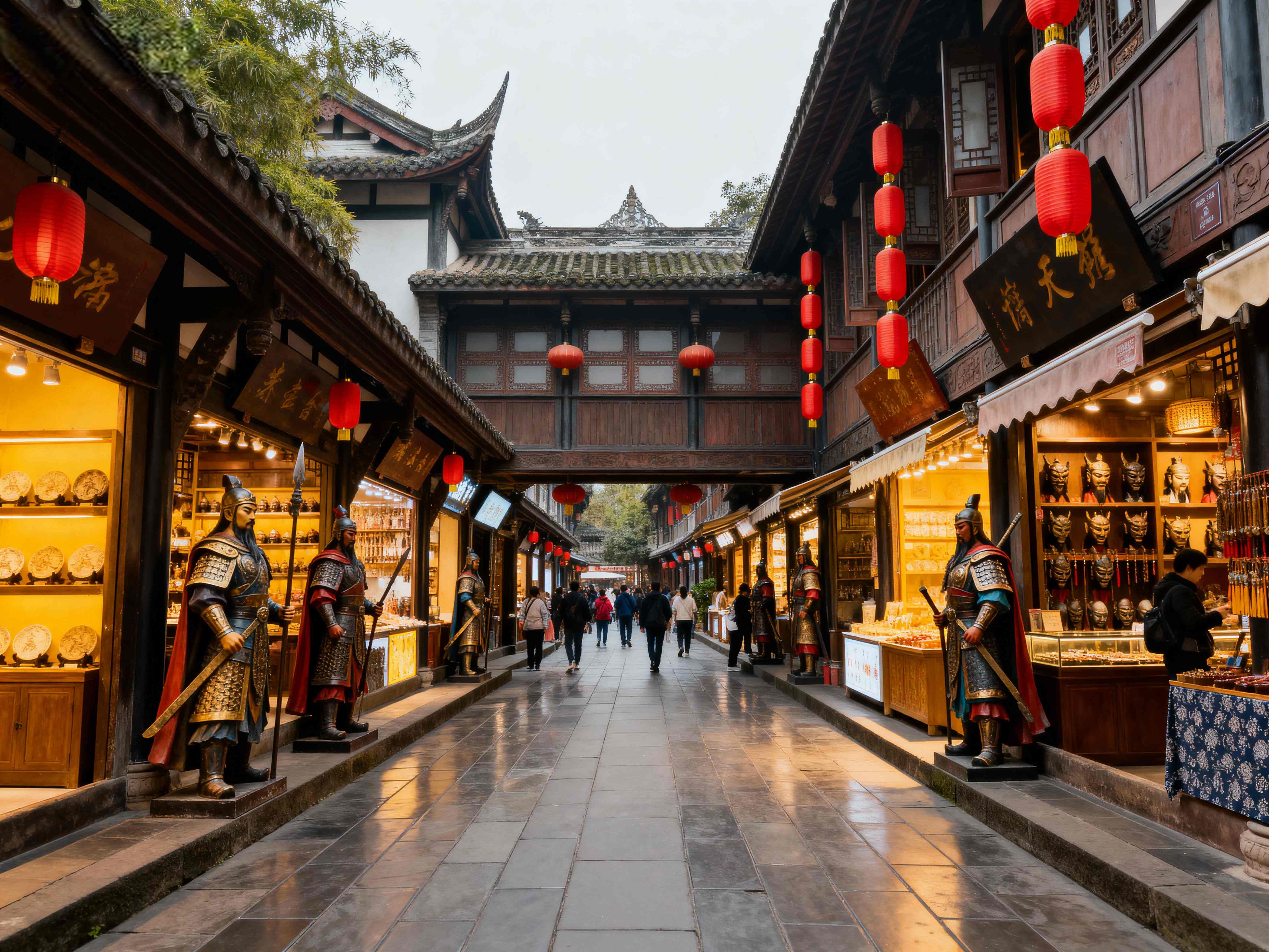
2. Jinli Ancient Street
Free (food/shows vary)Qing Dynasty-style pedestrian street with teahouses, street food, and Sichuan opera performances.
🚇 How to get there: Subway Line 3 to Wuhouci station
💡 Pro tip: Evening is best for atmosphere. Try Sichuan snacks: dan dan noodles, rabbit heads, sugar paintings. Face-changing opera at 8pm.
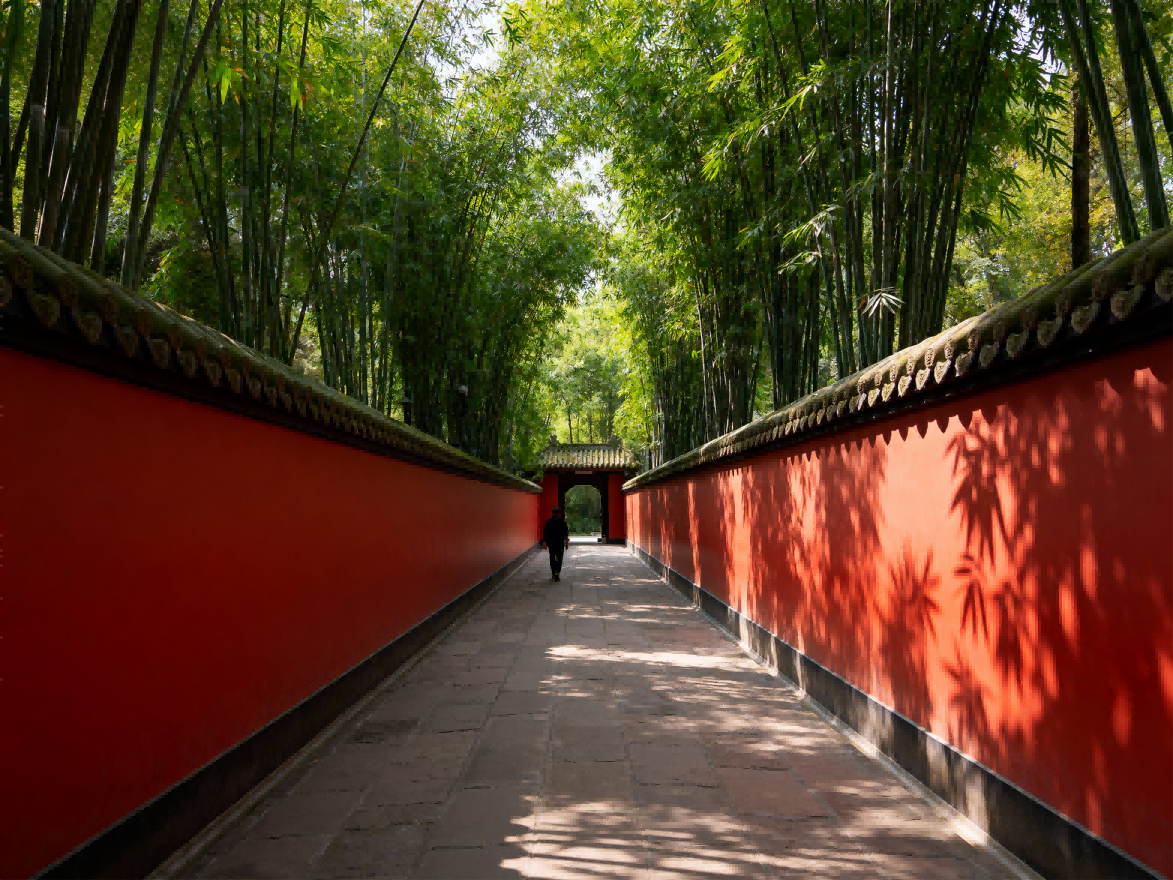
3. Wuhou Shrine
$10 entranceTemple complex dedicated to Zhuge Liang (Three Kingdoms strategist). Beautiful gardens and ancient architecture.
🚇 How to get there: Subway Line 3 to Wuhouci station (adjacent to Jinli)
💡 Pro tip: Combine with Jinli Street visit. English audio guide available. Peaceful escape from city noise.
-1762568546962.jpg)
4. Kuanzhai Alley (Wide and Narrow Alleys)
Free (shops/restaurants vary)Restored Qing Dynasty alleys with boutique shops, cafes, bars, and traditional courtyard houses.
🚇 How to get there: Subway Line 2/4 to Tonghuimen station
💡 Pro tip: More upscale than Jinli. Great for photos. Try Sichuan hotpot at Xiaolongkan. Bar street comes alive at night.
-1762784225936.webp)
5. Dujiangyan Irrigation System (Day Trip)
$15 entrance + $20 transportUNESCO World Heritage Site. 2,300-year-old irrigation system still in use today. Ancient engineering marvel with mountain scenery.
🚇 How to get there: High-speed train to Dujiangyan (30 min) + bus/taxi to site
💡 Pro tip: Combine with nearby Mount Qingcheng (Taoist mountain). Best in spring when water flows are strong. Hire guide to understand the engineering. Wear comfortable shoes.
Practical Travel Tips for Chengdu
Answers to the most common questions from Western travelers
Is WeChat Pay/Alipay mandatory? Can I use credit cards?
Most restaurants and shops prefer mobile payments, but tourist sites accept cash (CNY) and some take Visa/Mastercard. Our guide includes step-by-step WeChat Pay setup for foreigners (requires Chinese bank account OR use Tour Pass feature for tourists). ATMs are everywhere - Bank of China has best rates.
Is it safe for foreigners to travel alone in Chengdu?
Yes! Chengdu is very safe and friendly to foreigners. Main concerns: pickpockets in crowded areas (Chunxi Road shopping street), overpriced tea ceremony scams (similar to Beijing), and spicy food (seriously - it's VERY spicy!). Our deep version guide lists common precautions and anti-scam tips.
Where to stay? Hotels with English-speaking staff?
Jinjiang District (city center) or near Chunxi Road (shopping/nightlife) are best. Recommended: The Temple House ($180/night, luxury boutique), Lazybones Hostel ($15, backpacker favorite), or Airbnb near Taikoo Li ($50). All major chains have English staff.
How to get from airport to city?
Subway Line 10 from Shuangliu Airport to city center: $3, 40 minutes. Airport bus to downtown: $3, 50 minutes. Didi costs $15-20. New Tianfu Airport also has subway connection.
Can I eat street food safely? Vegetarian options?
Yes! Chengdu street food is safe and delicious. Try dan dan noodles, mapo tofu, and rabbit heads (if you're brave!). Warning: food is VERY spicy - ask for 'bu la' (not spicy) or 'wei la' (slightly spicy). Vegetarian? Buddhist restaurants serve excellent veggie versions of Sichuan dishes.
Common scams to avoid?
Tea ceremony scam (same as Beijing - fake students invite you to tea house, bill is $200+), fake panda souvenirs (buy from official Panda Base shop only), and overpriced 'Sichuan opera' shows in tourist areas. Our deep version PDF guide includes detailed descriptions of all common scams and how to avoid them.
My Personal Experience in Chengdu
Chengdu: My Favorite City, Bar None
Chengdu is my favorite city, without a doubt. I've visited over 100 cities in China, including those I've lived in, but Chengdu stands out as my number one. It boasts both rich historical heritage and vibrant modern life, blending the aroma of tea in Kuanzhai Alley with the panda sculpture atop IFS. Chengdu excels in food, entertainment, cultural atmosphere, and natural beauty.
I’ve visited Chengdu twice as a tourist, and I also lived there for two years. Aside from my three and a half years in Shanghai for work, I’ve never lived anywhere else for two years straight. And those two years in Chengdu weren’t continuous; they were split between 2018 and 2022. I love Chengdu so much that I’ll definitely return for a longer stay in the future.
Chengdu is a city full of stories, but due to space limitations, I can only share a few here. I’ll also be updating my blog with more content about Chengdu based on my personal experiences.
Convenience and Food Culture
Eating and drinking in Chengdu is incredibly convenient. As long as you're not in a very remote area, you’ll find plenty of places to eat whenever you go out in the evening. Street vendors and small shops offer a wide variety of delicious and affordable food. It’s a food lover’s paradise.
Chengdu is a very inclusive city, and there’s something for everyone when it comes to leisure. You can drink tea and listen to opera in People’s Park, soak in the artistic vibe of Tangba Street’s cafes, explore exhibitions at the International Trade Center (ICD), or visit emerging art spaces at Luxelakes. When I lived there in 2018, I attended Sichuan opera performances, which cost only 20 RMB—very affordable! This reflects the love and respect Chengdu residents have for culture, seamlessly integrating it into everyday life.
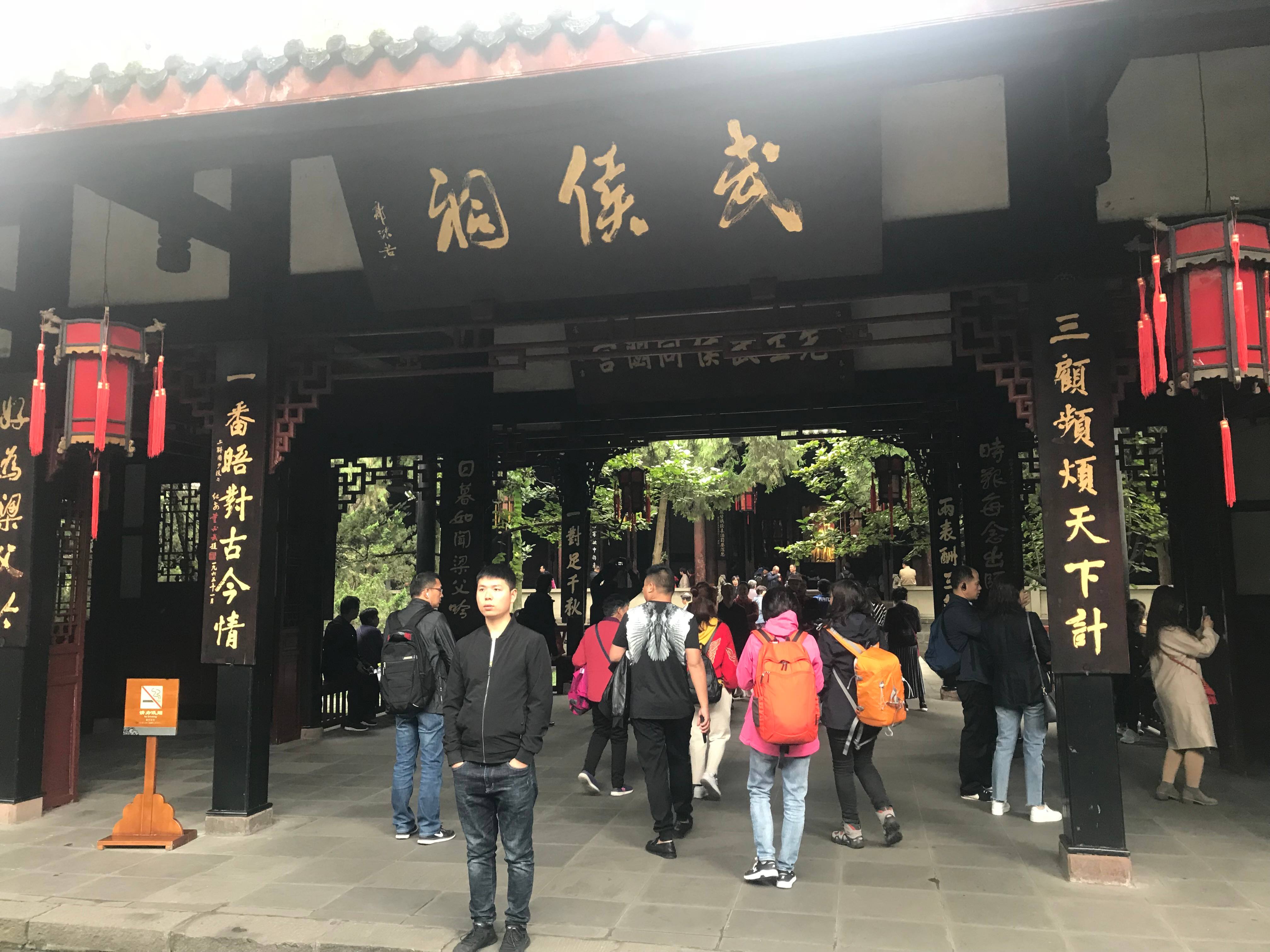
Inclusivity and Tolerance
Chengdu is also known for its inclusivity, particularly toward the LGBTQ+ community. The city allows people to express their love more freely than in other places where there can be more hostility. This open-mindedness is just one example of how Chengdu embraces diversity.
Chengdu’s Geography and Accessibility
Chengdu’s geographical location is a major advantage. Surrounded by mountains, it sits in a flat basin, making it the undisputed central city of western China. From Chengdu, you can travel west to Tibet, north to Jiuzhaigou, south to Yunnan, and east to Chongqing. It’s a transportation hub with two airports, reflecting the city’s comprehensive strength. If you have time, it's very convenient to explore the surrounding areas.
On clear days, you can even see snow-capped mountains from downtown Chengdu, which is unimaginable in other cities. In summer, you can drive just 2-3 hours to Aba Prefecture for a cool retreat and enjoy the highland scenery. Winters may be damp and cold, but sunny days are frequent. Sitting in a teahouse in Kuanzhai Alley, basking in the warmth of the sun, is a pleasant experience.
The Song “Chengdu” and Its Connection to the City
Chengdu is also immortalized in Zhao Lei's song “Chengdu,” which has inspired countless people to fall in love with the city. It’s one of my favorite folk songs. Every time I hear the line "Walk with me on the streets of Chengdu," I feel a warm rush of emotions. The song feels like a key, unlocking everyone’s gentlest imaginations of the city. Even though I don’t drink, I can understand the sentiment it evokes.
The song is perfect for late-night listening when everything is calm. The lyrics resonate with the places I’ve been and the scenes I’ve experienced, creating a wonderful connection.
My Visits to Chengdu
My first trip to Chengdu was in 2016. It was a short three-day visit, so I didn’t have a particularly deep impression of the city. My second trip was in 2018, when I lived in Shuangliu District for a year with friends. The third time was in 2011 when I visited with a friend for about three or four days. In 2022, I returned for another year, living near the Giant Panda Base.
In 2024, I made two trips to Tibet, flying directly from Chengdu the first time and renting a car to drive there the second. I covered 5,100 kilometers in 18 days, driving alone. People on the road gave me thumbs-up, and I couldn’t help but admire myself for completing the journey.
Chengdu’s Modern Growth
Today, Chengdu is a modern city with excellent architecture, a subway system, and great transportation options. Despite this modernity, the city maintains its historical charm and cultural vibrancy.
Why Chengdu is the Top Choice for Western China
Overall, Chengdu is my favorite city, and my multiple visits show just how much I love it. For anyone planning a trip to China and looking to explore Western China after visiting Beijing and Shanghai, Chengdu is the top choice. It's the ideal destination for those who want a well-rounded travel experience. The city combines rich history, modern conveniences, a relaxed pace of life, strong cultural atmosphere, and incredible food. Chengdu is a place you'll want to return to over and over again.
I’ll be updating my blog with at least 10 posts about Chengdu, so feel free to follow along if you’re interested. I hope everyone has a wonderful time traveling in Chengdu. If you want a deeper dive into the city, consider purchasing our in-depth travel guide.
Comments (0)
Frequently Asked Questions About Chengdu
Real questions from travelers planning their trip
Q1: What are the biggest mistakes Western visitors make in Chengdu, and how can I avoid them?
Mistake #1: Arriving at Panda Base after 10am (pandas are sleeping by then). #2: Underestimating spice level (even 'mild' is spicy!). #3: Only eating hotpot and missing other Sichuan dishes. #4: Not experiencing teahouse culture in People's Park. #5: Skipping Sichuan Opera face-changing show. #6: Buying fake panda souvenirs outside Panda Base.
Q2: As a foreigner, how long can I stay in China visa-free? Where can I check this information?
Visa-free duration varies by nationality (typically 15-30 days for eligible countries). Check official sources: a) Ministry of Foreign Affairs of the People's Republic of China - Consular Service website, b) National Immigration Administration of China official platform, c) Chinese Embassy/Consulate in your home country. Requirements and eligible countries change frequently, so always verify before booking flights.
Q3: Do I need travel insurance for China, and what should it cover?
Yes, highly recommended! Your insurance should cover: medical emergencies (hospitals may require upfront payment), medical evacuation, trip cancellation/interruption, lost luggage, and personal liability. Ensure it covers adventure activities if you plan hiking (Great Wall) or skiing. Some policies exclude pre-existing conditions. Recommended providers: World Nomads, SafetyWing, or Allianz. Cost: $30-80 for a week. Keep policy documents offline as you may not access cloud storage without VPN.
Q4: Is Didi (China's Uber) safe and easy for foreigners?
Yes! Didi is safe, affordable, and foreigner-friendly. Download the app before arrival and link an international credit card or Alipay/WeChat Pay. The app has English interface. Drivers may not speak English, but the app translates your destination. Safety features: GPS tracking, driver ratings, emergency button. Cost: 50-70% cheaper than taxis. Pro tip: Screenshot your destination in Chinese to show drivers if needed. Avoid unlicensed 'black cabs' at airports.
Q5: Do all hotels accept foreigners, or are some 'Chinese only'?
Not all hotels can accept foreigners - they need a special license to register foreign passports. International chains (Hilton, Marriott, Hyatt) and most 3-star+ hotels in major cities are licensed. Budget hostels and small guesthouses may not be. Always confirm when booking: look for 'accepts foreign guests' or ask directly. Bring your passport - hotels must register you with local police within 24 hours (standard procedure, not concerning).
Latest Travel Tips
Explore More Destinations
Discover other amazing cities in China with our comprehensive travel guides