
Zhangjiajie Travel Guide: Your Complete Guide to the Avatar Mountains
Everything you need to know: Avatar Mountain tickets, glass bridge access, cable car routes, best viewpoints, weather tips, scam prevention, and hidden trails
Discover floating peaks, glass bridge, Tianmen Mountain, and Avatar Hallelujah Mountain. In-depth guide for Western visitors.
Why Zhangjiajie? Quick Overview
Everything Western visitors need to know before booking
Avatar's Floating Mountains
Inspiration for Avatar movie - 3,000+ sandstone pillars rising from mist
Zhangjiajie National Forest Park, Glass Bridge, and Tianmen Mountain
Tujia & Miao Cuisine
From spicy Tujia three-pot stew to wild game dishes
Fine dining, street food, everything available
Mid-Range Budget ($50-135/day)
Moderate prices: hotels at $50/night, but park tickets add up
Deep version guide includes WeChat/Alipay payment setup guide
Beyond Tourist Traps
Deep version guide includes practical anti-scam tips to avoid being cheated
Common local scams, overcharging, and more
🏔️ Planning a Road Trip in Western China?
Get our FREE high-altitude driving safety guide before you go!
High-Altitude Driving Essentials
Get 5 Must-Know Tips for Safe Western China Roads (FREE PDF)
Top 5 Must-Visit Attractions in Zhangjiajie
With prices, transport directions, and insider tips to avoid crowds
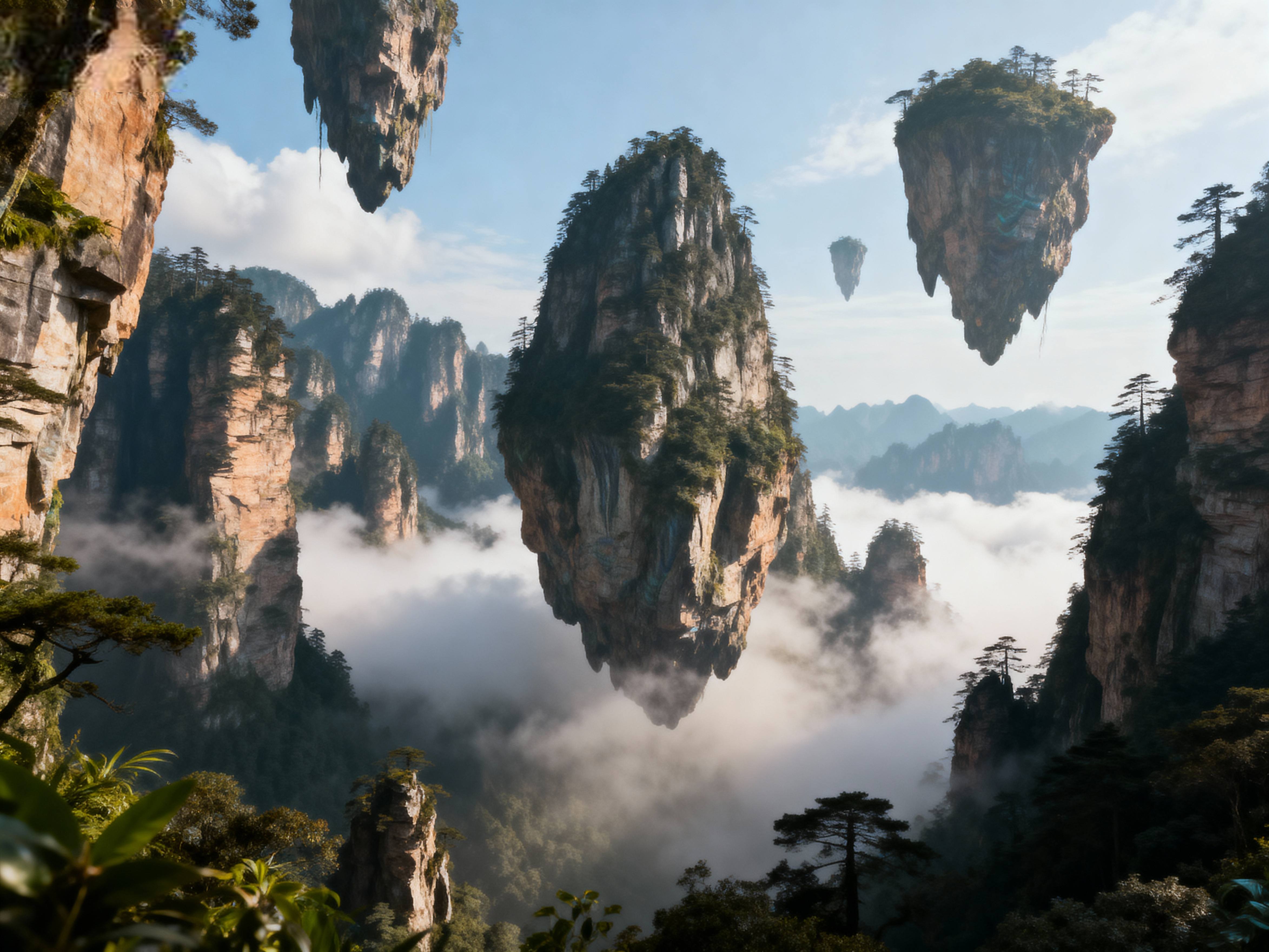
1. Avatar Hallelujah Mountain
$35 entrance (4-day pass)Iconic pillar that inspired Avatar movie. Stunning quartzite sandstone peaks rising 1,080m. UNESCO World Heritage Site.
🚇 How to get there: Cable car or Bailong Elevator ($10 extra) from park entrance
💡 Pro tip: Go early (7am) to avoid crowds. Mist creates magical atmosphere. Take Bailong Elevator for dramatic views.
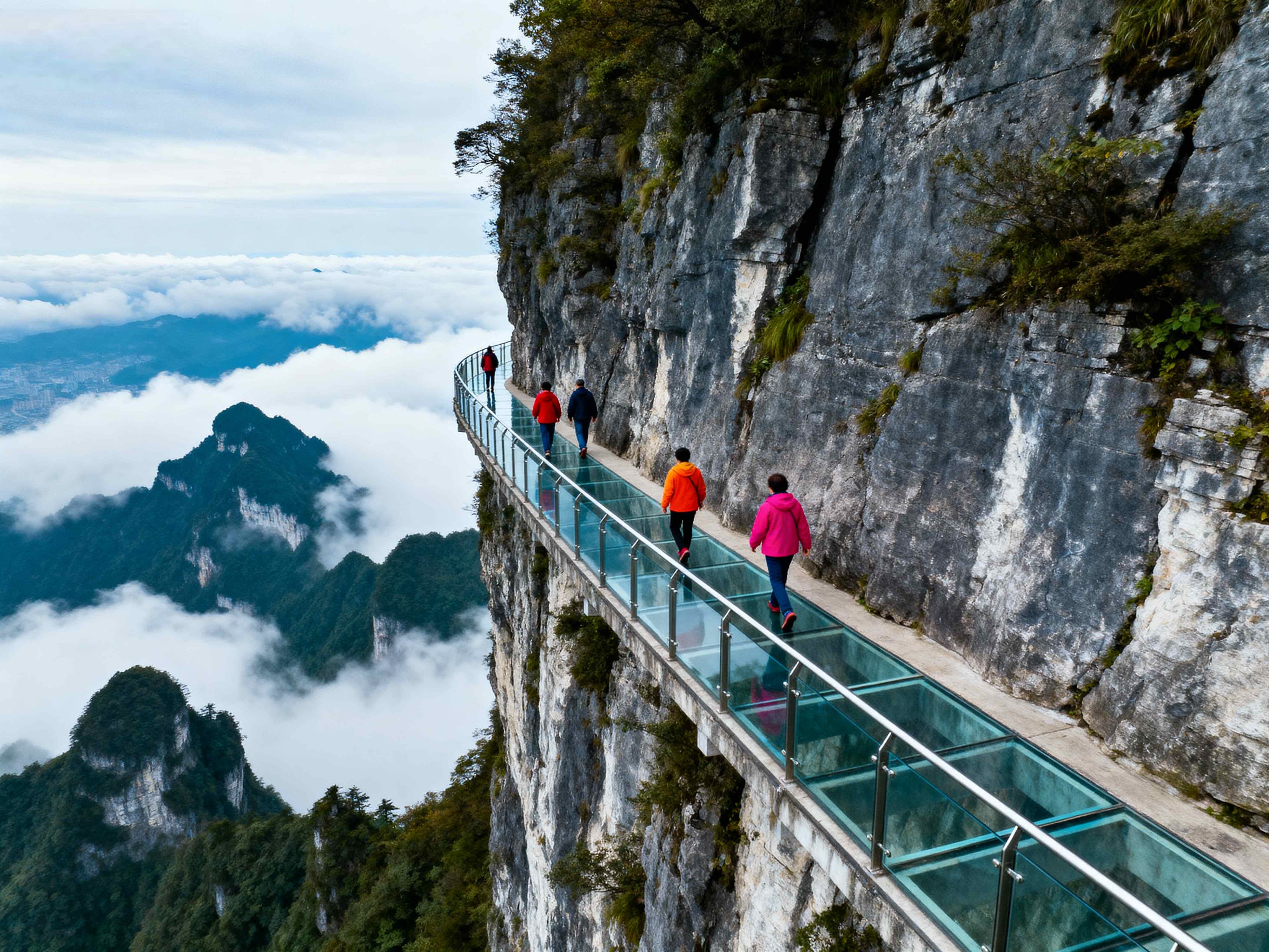
2. Tianmen Mountain Glass Skywalk
$40 entrance + cable carGlass walkway clinging to cliff face (1,430m high). World's longest cable car ride (7.5km, 30 min).
🚇 How to get there: Cable car from Zhangjiajie city center
💡 Pro tip: Not for those afraid of heights! Wear shoe covers (provided). 99 Bends Road is thrilling. Heaven's Gate cave is stunning.
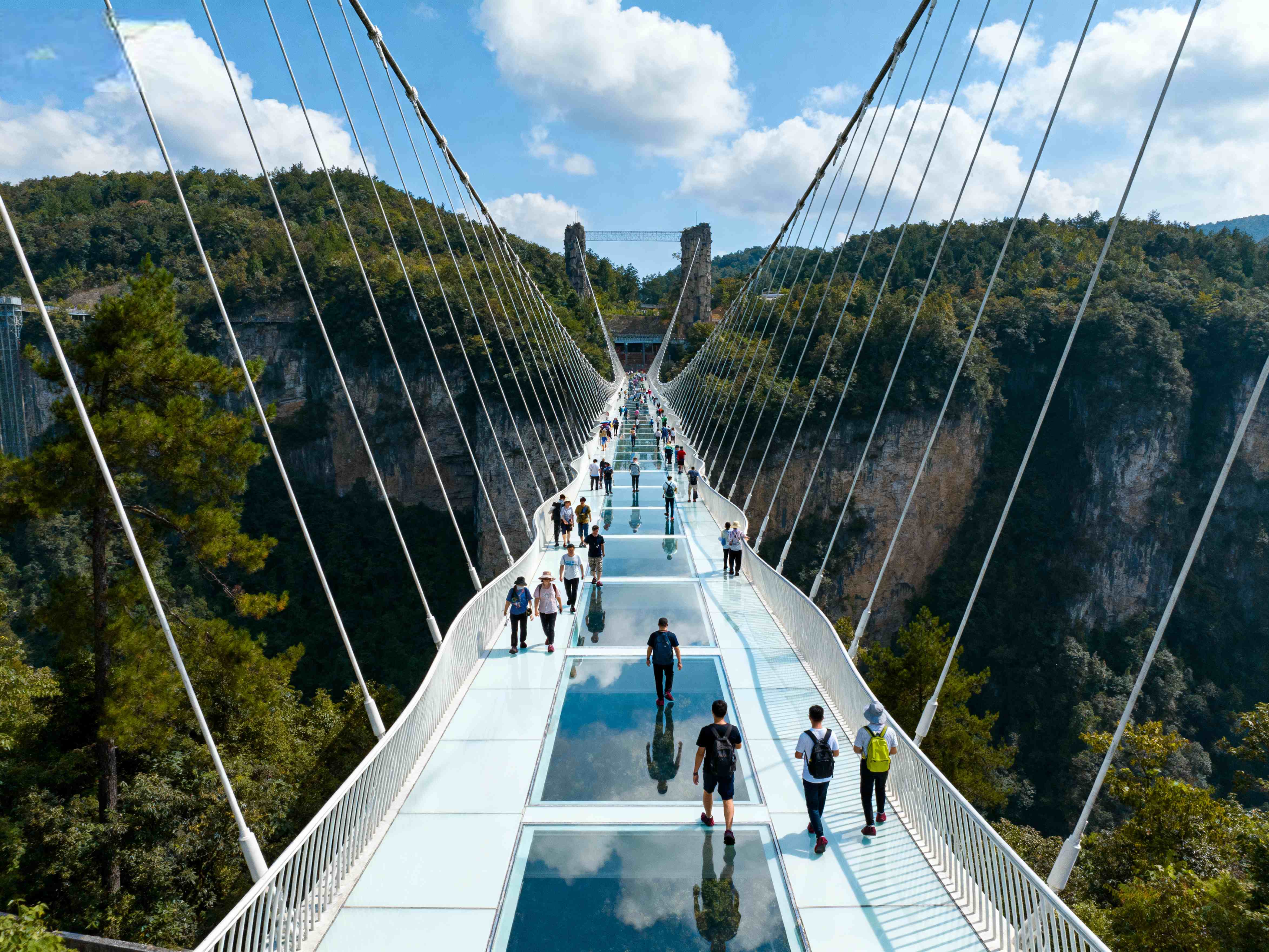
3. Zhangjiajie Grand Canyon Glass Bridge
$20 entrance + $20 bridgeWorld's longest and highest glass bridge (430m long, 300m high). Walk above the canyon!
🚇 How to get there: Bus from Zhangjiajie Bus Station (1 hour)
💡 Pro tip: Book tickets 1 day in advance online. Wear flat shoes. Zipline available ($30). Not for acrophobics!
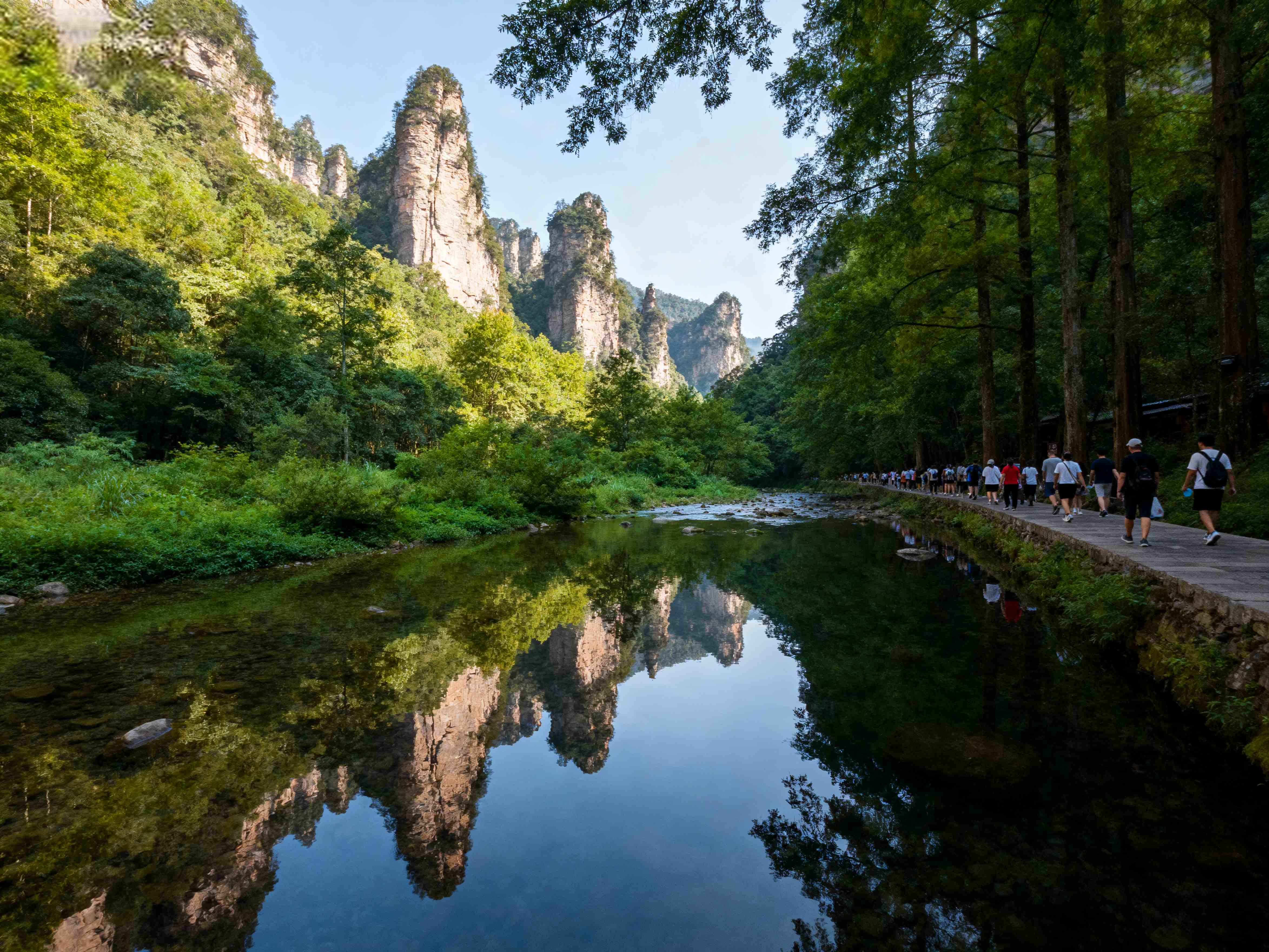
4. Golden Whip Stream
Included in park ticketPeaceful 7.5km valley walk along crystal-clear stream. Lush forest and towering peaks. Flat and easy.
🚇 How to get there: Walk from Forest Park entrance
💡 Pro tip: Best in morning for soft light. Monkeys everywhere (don't feed them!). Wear comfortable shoes. Very relaxing.
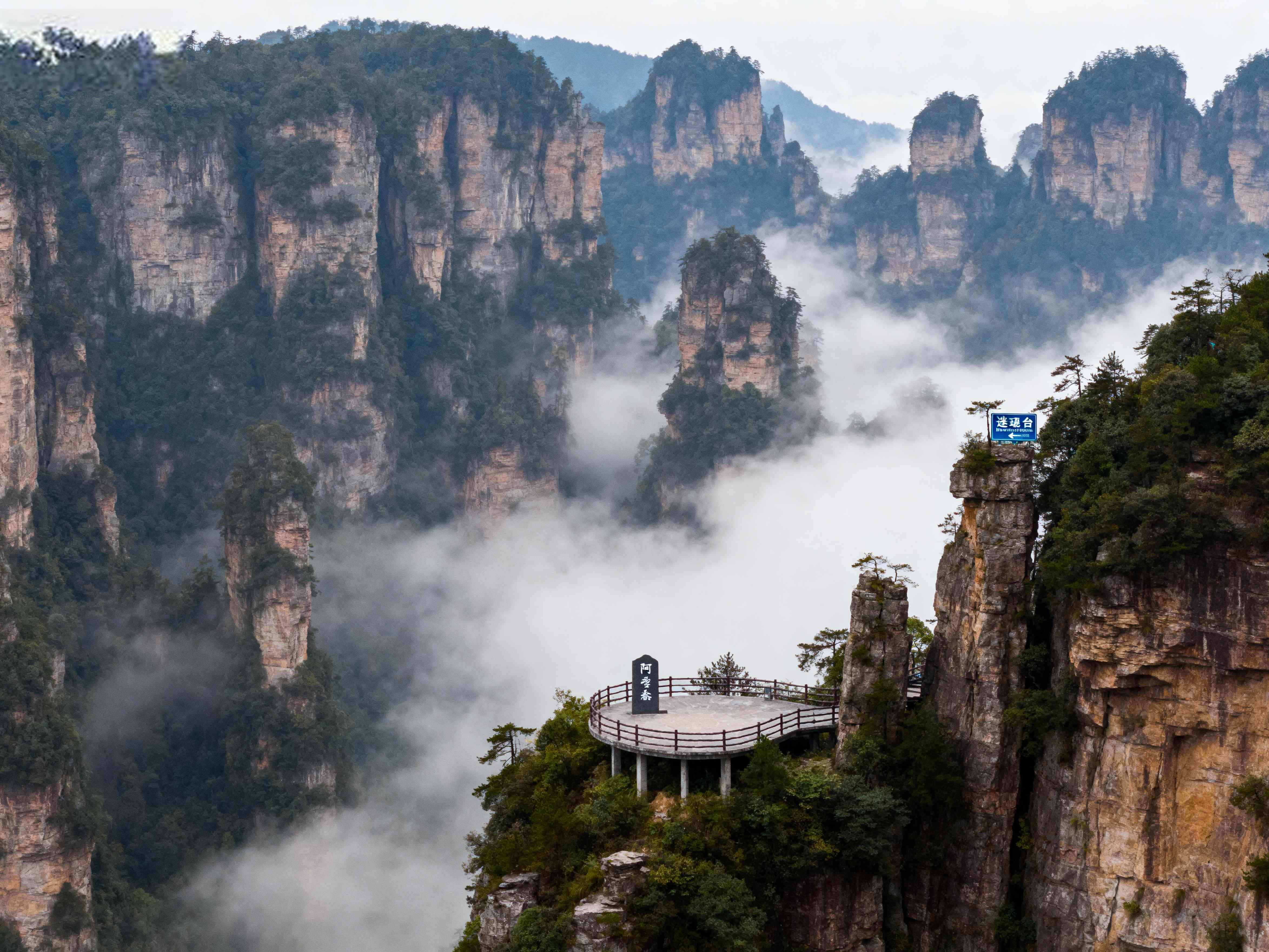
5. Yuanjiajie Scenic Area
Included in park ticketHome of Avatar mountains. Misty peaks, natural stone bridge, and panoramic viewpoints.
🚇 How to get there: Bailong Elevator from Golden Whip Stream or cable car
💡 Pro tip: Take Bailong Elevator (world's tallest outdoor elevator). Best in misty weather. Bring rain jacket.
Practical Travel Tips for Zhangjiajie
Answers to the most common questions from Western travelers
Is WeChat Pay/Alipay mandatory? Can I use credit cards?
Most restaurants and shops prefer mobile payments, but tourist sites accept cash (CNY) and some take Visa/Mastercard. Our guide includes step-by-step WeChat Pay setup for foreigners (requires Chinese bank account OR use Tour Pass feature for tourists). ATMs are everywhere - Bank of China has best rates.
Is it safe for foreigners to travel alone in Zhangjiajie?
Yes! Zhangjiajie is safe and used to foreign tourists (thanks to Avatar fame). Main concerns: slippery trails after rain, aggressive monkeys (don't feed them!), and overpriced tours. Our deep version guide lists common precautions and anti-scam tips.
Where to stay? Hotels with English-speaking staff?
Stay in Wulingyuan town (near park entrance) not Zhangjiajie city. Recommended: Pullman Zhangjiajie ($90/night), Wulingyuan guesthouses ($30), or stay inside park at Dingxiang Hotel ($50). Some staff speak English.
How to get from airport to city?
Airport bus to city center: $3, 40 minutes. Then bus to Wulingyuan (park area): $3, 40 minutes. Didi from airport to Wulingyuan: $25. High-speed train from Changsha: 3 hours, $25.
Can I eat street food safely? Vegetarian options?
Yes! Try Tujia three-pot stew (sanxiaguo), wild mushrooms, and smoked meat. Wulingyuan has many restaurants. Vegetarian? Buddhist restaurants near temples serve veggie dishes. Food is spicy - ask for 'bu la' (not spicy).
Common scams to avoid?
Overpriced hotel tours (book tickets online yourself), fake 'guides' at park entrance (official guides wear uniforms), and aggressive souvenir sellers. Our deep version PDF guide includes detailed descriptions of all common scams and how to avoid them.
My Personal Experience in Zhangjiajie
Zhangjiajie: A City I Haven’t Visited Yet
Zhangjiajie is one of China’s well-known tourist attractions, yet it's one of the few cities I haven’t had the chance to visit — at least not in the way I would have liked. When I say “haven’t visited,” I don't mean that I’ve never been to Zhangjiajie in western Hunan, I just haven’t explored it fully as a tourist. However, I do know a fair bit about Zhangjiajie, and I’d like to share some of that knowledge.
If you’re interested in learning more about this city, feel free to email me or leave a message once the message board function is enabled.
Zhangjiajie: A Place of Mystery
Zhangjiajie is a place shrouded in mystery, with towering peaks, swirling clouds, and mist — it seems as enchanting as a fairy tale. While most outsiders know it as a tourist destination, Zhangjiajie is actually an independent prefecture-level city, established in May 1988 after approval from the State Council.
The city's economy heavily depends on tourism, which has shaped much of its identity.
Zhangjiajie's Tourism Resources
Zhangjiajie is rich in natural beauty and has earned several prestigious honors, including:
World Natural Heritage Site
World Geopark
National 5A-level Tourist Attraction
The Wulingyuan core scenic area is renowned for its unique quartz sandstone peak forest landform, featuring 3,000 odd-shaped peaks that rise abruptly from the earth, and 800 streams that weave through it. This area forms a magnificent landscape unlike anywhere else.
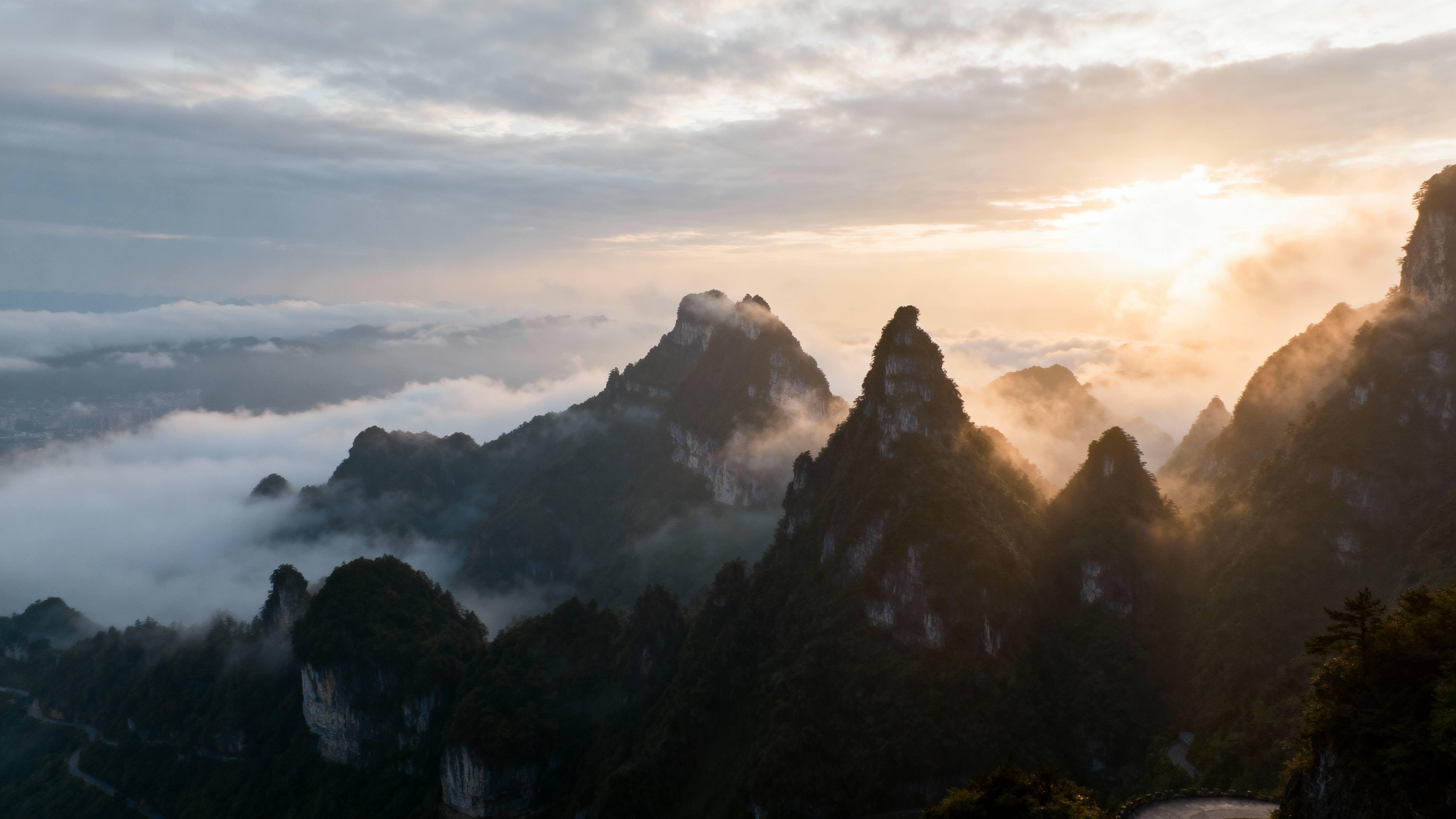
Another famous site is Tianmen Mountain, particularly Tianmen Cave, which is considered “the most wondrous sight under heaven.” Each year, countless tourists and extreme sports enthusiasts flock to this spot for its awe-inspiring views.
Additionally, the Grand Canyon Glass Bridge merges modern engineering with the surrounding natural scenery, creating an iconic landmark in the region.
The local Tujia and Miao ethnic minorities also contribute to Zhangjiajie’s charm, with their folk performances and distinctive cuisine, which further enrich the tourist experience.
Zhangjiajie continues to develop its service facilities and strives to enhance the quality of tourism, aiming to become an internationally recognized destination.
My Experience Visiting Zhangjiajie
The only time I’ve been to Zhangjiajie was when I visited my sister-in-law’s home in Guzhang County, Xiangxi, Hunan. Though her home isn’t in Zhangjiajie, it’s relatively close. Her sister lives in Yongshun County, which is famous as the filming location for the movie Hibiscus Town.
During the Chinese New Year, with no plans at home, we decided to take a trip to Zhangjiajie. However, when we arrived at the Zhangjiajie scenic area near New Year’s Eve, we discovered that all the tickets for the day had sold out.
The next morning, we set out early and drove for an hour and a half. But by the time we reached the entrance before 9:00 a.m., all tickets had already been sold. We were disappointed — I didn’t expect so many people to be traveling during the New Year.
Due to this experience, and because I’ve visited similar attractions later on, I never returned to Zhangjiajie for personal travel.
The Cable Car and Connection with Nature
What impressed me the most was the cable car in Zhangjiajie Scenic Area, which actually starts in the main urban area and crosses mountains and valleys to reach the scenic area directly. This creates an “aerial corridor” that seamlessly links the city with nature. It’s not just about transportation convenience; it’s a symbol of how people have managed to coexist with nature, blending modern development with the environment.
The Scenic Beauty of Zhangjiajie
Zhangjiajie is located in the heart of the Wuling Mountains, an area known for its rolling hills, humid climate, and distinct seasons. In the early morning, a light mist often envelops the mountainsides, making the peaks appear and disappear like an unfolding ink painting. The streams are crystal-clear, winding through valleys and nourishing an abundance of flora and fauna.
The area’s unique geological structure has created a rare quartz sandstone peak forest, sculpted over millions of years of weathering and erosion. After a rainfall, when the sky clears, a sea of clouds surges, and the mountain peaks seem to float above the clouds — an awe-inspiring sight.
The Red Stone Forest
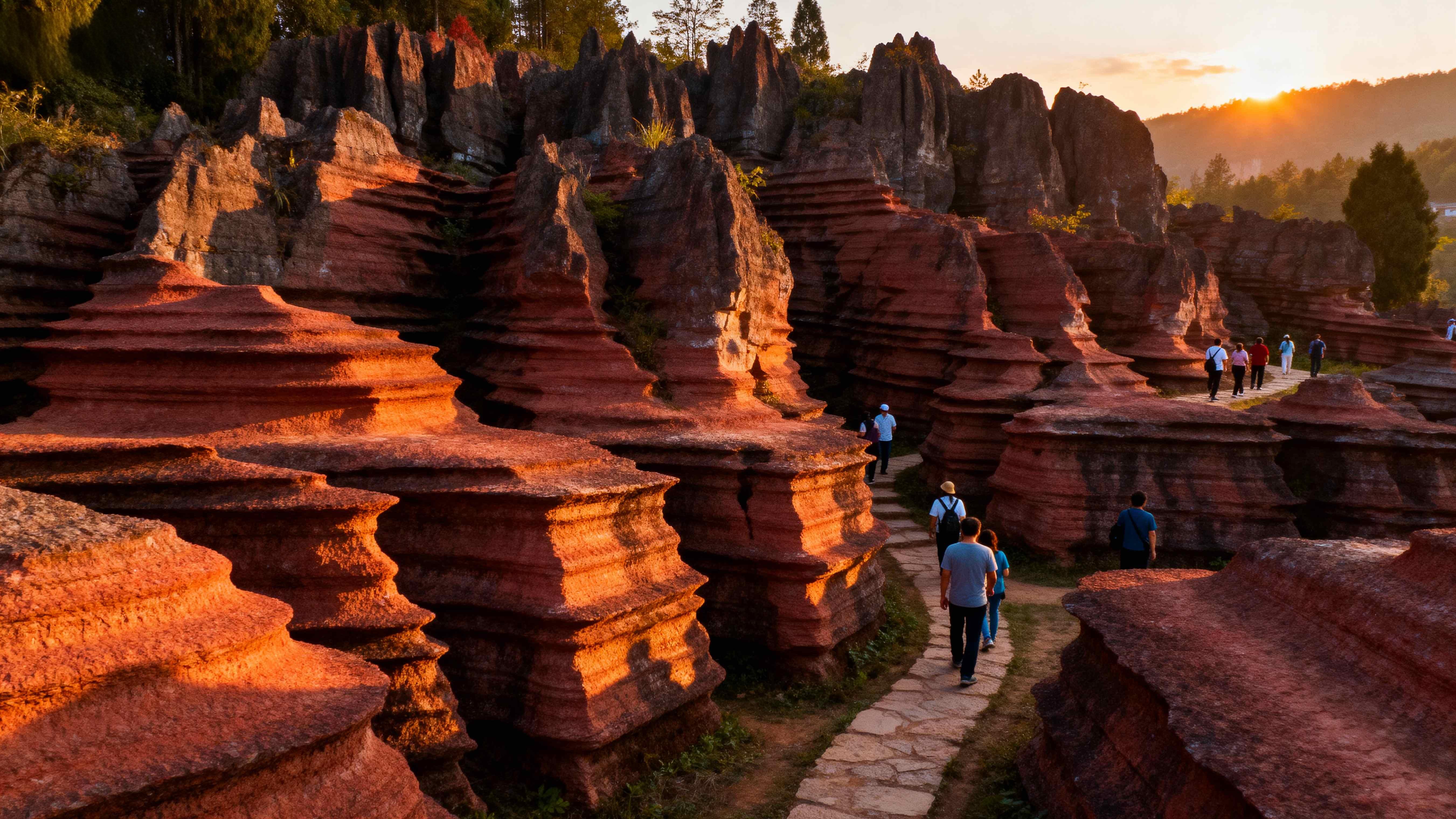
Xiangxi, the region where Zhangjiajie is located, offers even more natural wonders. Just 124 kilometers away is the Xiangxi World Geopark's Red Stone Forest, the only known red carbonate rock landform in the world, formed during the Cambrian period. Its unique scale and landscape are extremely rare.
The rocks here, rich in iron, oxidize to create vibrant reddish-brown hues, which shift with the weather and humidity. Sometimes the color is deep, other times bright, resembling a colorful mosaic inlaid upon the Earth. The stone forest’s formations are ever-changing, some resembling layered screens, others winding like animal spines. Walking among them feels like stepping into an ancient geological wonderland.
Together with the karst peaks of Zhangjiajie, the Red Stone Forest tells the story of the Wuling Mountains’ geologic history in a different language. It forms a natural heritage map of western Hunan that is irreplaceable.
I’ve visited the Red Stone Forest myself, and while I was impressed by it at the time, I didn’t fully understand its significance. Over time, and with a growing appreciation for geography, I realized just how rare and important the Red Stone Forest is. It’s a masterpiece of natural artistry and a silent testament to the Earth’s evolutionary history.
If you have extra time while in Zhangjiajie, don’t miss the chance to visit the Red Stone Forest. It’s sure to provide a unique and pleasant surprise.
Conclusion: A Must-See Destination
Finally, I wish everyone a wonderful trip to Zhangjiajie. It’s a city rich in both natural beauty and cultural heritage, and though I haven’t explored it as deeply as I’d like, it’s definitely on my list for the future. Whether you’re exploring its peaks, valleys, or cultural wonders, Zhangjiajie promises to be a journey worth taking.
Comments (0)
Frequently Asked Questions About Zhangjiajie
Real questions from travelers planning their trip
Q1: What are the biggest mistakes Western visitors make in Zhangjiajie, and how can I avoid them?
Mistake #1: Only spending 1 day in the park (need 2-3 days). #2: Staying in Zhangjiajie city instead of Wulingyuan (near park). #3: Not booking Tianmen Mountain tickets in advance (sells out). #4: Visiting in peak summer (July-August is hot and crowded). #5: Not using Bailong Elevator (saves 2-hour climb). #6: Feeding monkeys (they can be aggressive).
Q2: As a foreigner, how long can I stay in China visa-free? Where can I check this information?
Visa-free duration varies by nationality (typically 15-30 days for eligible countries). Check official sources: a) Ministry of Foreign Affairs of the People's Republic of China - Consular Service website, b) National Immigration Administration of China official platform, c) Chinese Embassy/Consulate in your home country. Requirements and eligible countries change frequently, so always verify before booking flights.
Q3: Do I need travel insurance for China, and what should it cover?
Yes, highly recommended! Your insurance should cover: medical emergencies (hospitals may require upfront payment), medical evacuation, trip cancellation/interruption, lost luggage, and personal liability. Ensure it covers adventure activities if you plan hiking (Great Wall) or skiing. Some policies exclude pre-existing conditions. Recommended providers: World Nomads, SafetyWing, or Allianz. Cost: $30-80 for a week. Keep policy documents offline as you may not access cloud storage without VPN.
Q4: Is Didi (China's Uber) safe and easy for foreigners?
Yes! Didi is safe, affordable, and foreigner-friendly. Download the app before arrival and link an international credit card or Alipay/WeChat Pay. The app has English interface. Drivers may not speak English, but the app translates your destination. Safety features: GPS tracking, driver ratings, emergency button. Cost: 50-70% cheaper than taxis. Pro tip: Screenshot your destination in Chinese to show drivers if needed. Avoid unlicensed 'black cabs' at airports.
Q5: Do all hotels accept foreigners, or are some 'Chinese only'?
Not all hotels can accept foreigners - they need a special license to register foreign passports. International chains (Hilton, Marriott, Hyatt) and most 3-star+ hotels in major cities are licensed. Budget hostels and small guesthouses may not be. Always confirm when booking: look for 'accepts foreign guests' or ask directly. Bring your passport - hotels must register you with local police within 24 hours (standard procedure, not concerning).
Latest Travel Tips
Explore More Destinations
Discover other amazing cities in China with our comprehensive travel guides