
Xiamen Travel Guide: Your Complete Guide to China's Garden on the Sea
Everything you need to know: Gulangyu Island ferry, colonial architecture tour, seafood restaurants, beach access, scam prevention, and hidden island gems
Discover Gulangyu Island, colonial buildings, seafood, and campus beauty. In-depth guide for Western visitors.
Why Xiamen? Quick Overview
Everything Western visitors need to know before booking
Coastal Garden City
Car-free Gulangyu Island, colonial architecture, and subtropical climate - China's most livable city
Gulangyu Island, Nanputuo Temple, and Zengcuo'an Village
Seafood & Minnan Snacks
From oyster omelets to peanut soup, Xiamen offers unique Fujian cuisine
Fine dining, street food, everything available
Budget-Friendly ($45-130/day)
Affordable coastal city: 4-star hotels at $65/night, metro rides at $0.40
Deep version guide includes WeChat/Alipay payment setup guide
Beyond Tourist Traps
Deep version guide includes practical anti-scam tips to avoid being cheated
Common local scams, overcharging, and more
🏔️ Planning a Road Trip in Western China?
Get our FREE high-altitude driving safety guide before you go!
High-Altitude Driving Essentials
Get 5 Must-Know Tips for Safe Western China Roads (FREE PDF)
Top 5 Must-Visit Attractions in Xiamen
With prices, transport directions, and insider tips to avoid crowds

1. Gulangyu Island
$10 ferry + $15 island attractionsCar-free island with colonial architecture, beaches, and piano museum. UNESCO World Heritage Site.
🚇 How to get there: Ferry from Xiamen Ferry Terminal (10 min)
💡 Pro tip: Take early ferry (7am) to avoid crowds. Rent audio guide. Try seafood and mango ice. Sunlight Rock has best views.
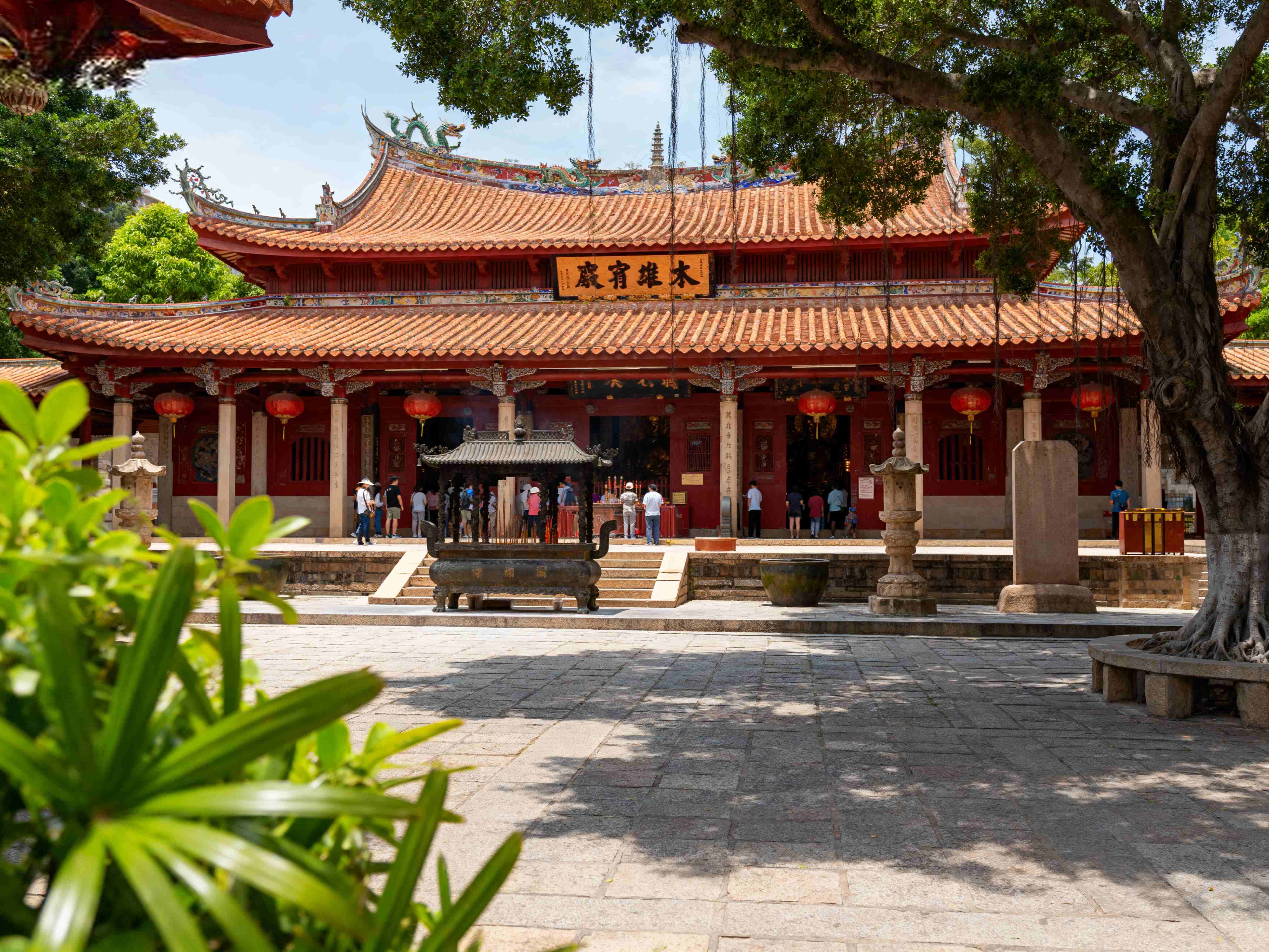
2. Nanputuo Temple
FreeAncient Buddhist temple at foot of Wulao Peak. Free admission! Climb mountain for city views.
🚇 How to get there: Bus 1/29/47/87 or walk from Xiamen University
💡 Pro tip: Dress modestly. Vegetarian restaurant on-site ($5). Climb Wulao Peak for panoramic views (1 hour). Very peaceful.
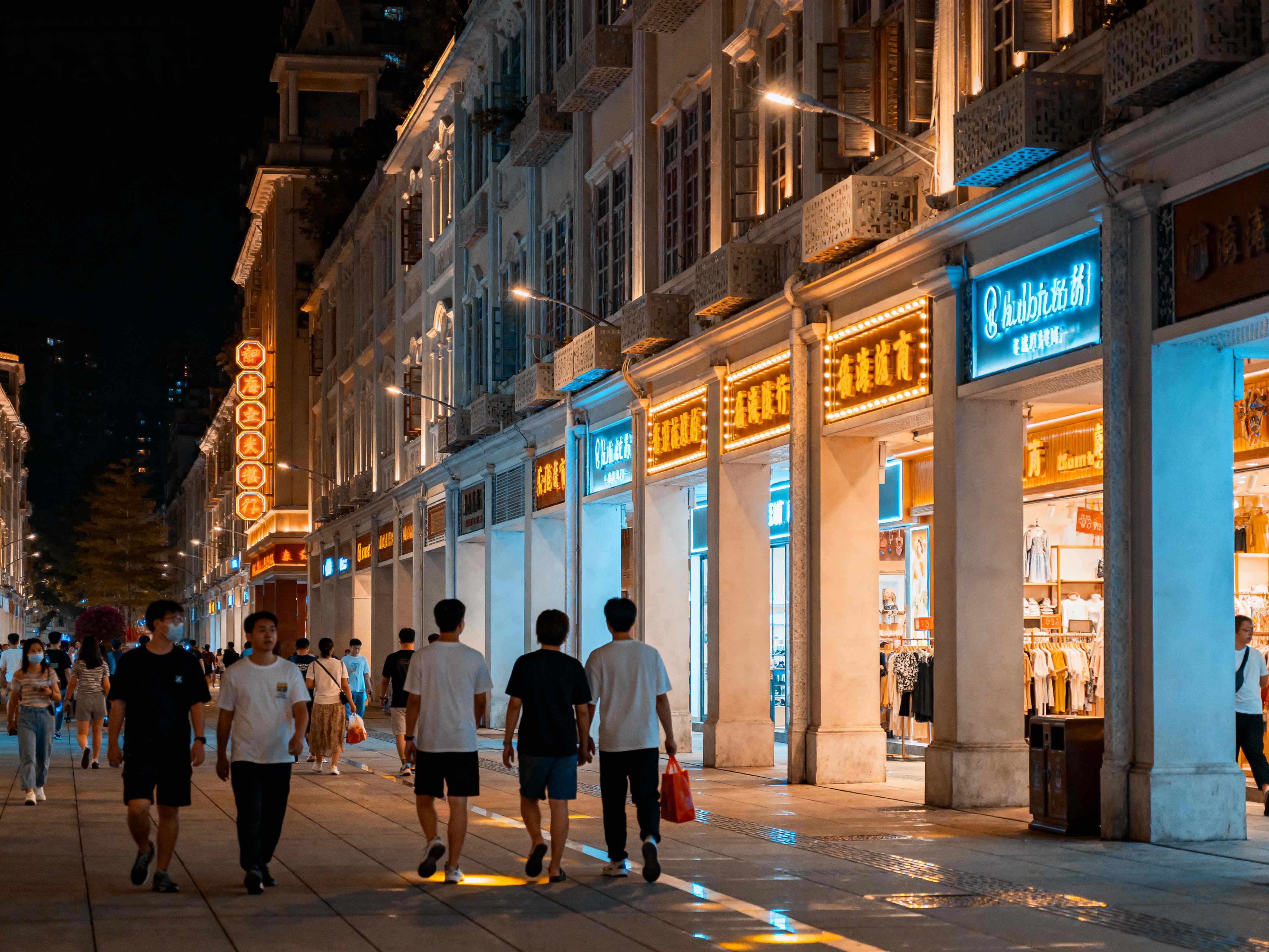
3. Zhongshan Road Pedestrian Street
Free (food/shops vary)Historic shopping street with colonial arcade buildings. Street food, souvenirs, and local snacks.
🚇 How to get there: Bus 2/3/4/8/10 to Zhongshan Road
💡 Pro tip: Best in evening (6-10pm). Try oyster omelet, peanut soup, and fish balls. Bargain for souvenirs. Very crowded!
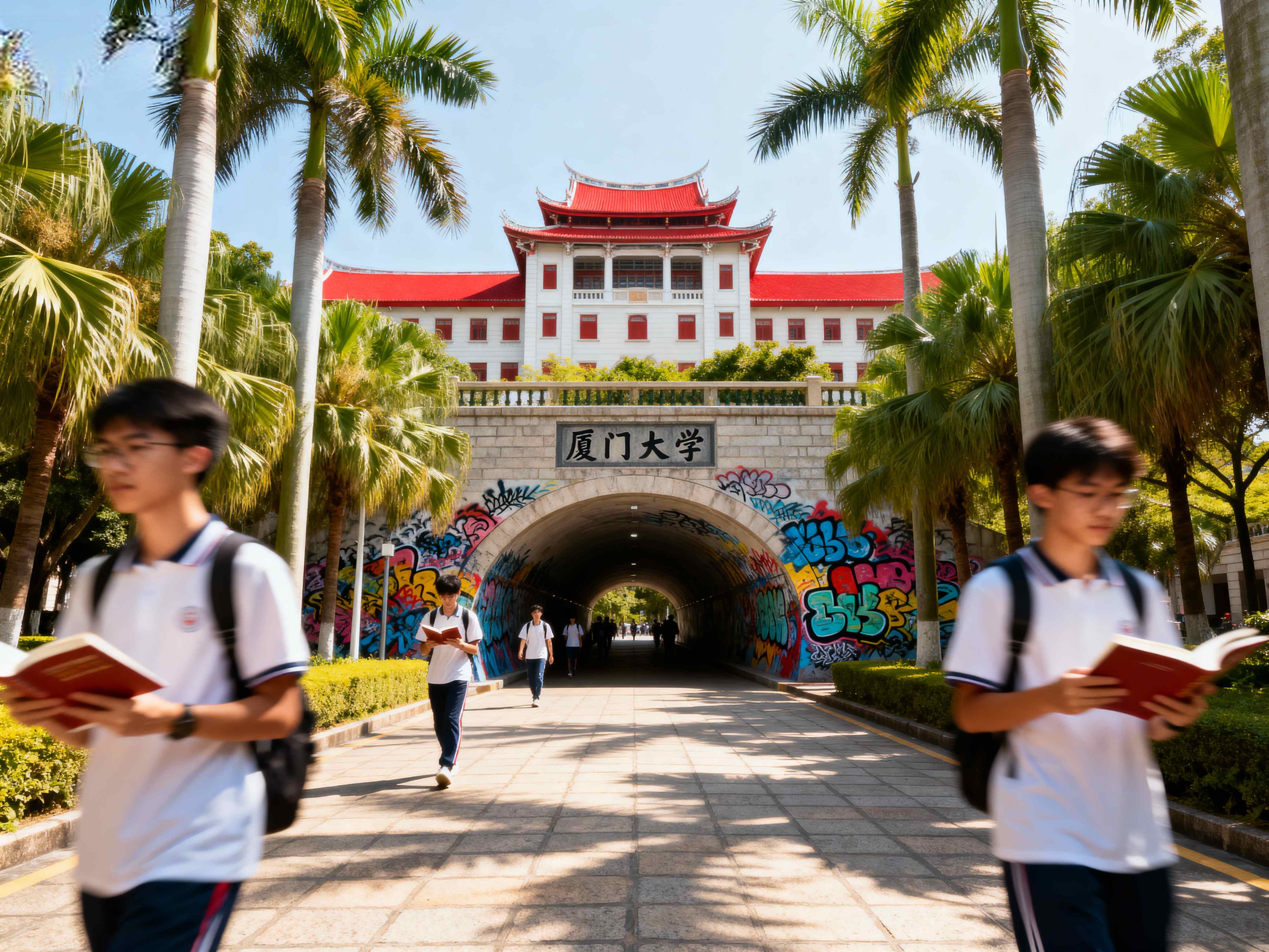
4. Xiamen University
Free (ID required)China's most beautiful campus. Lakeside views, colonial buildings, and Furong Tunnel graffiti.
🚇 How to get there: Bus 1/20/22/29/47 to Xiamen University
💡 Pro tip: Visit on weekdays (weekends require reservation). Furong Tunnel has amazing graffiti art. Lakeside cafe is romantic.
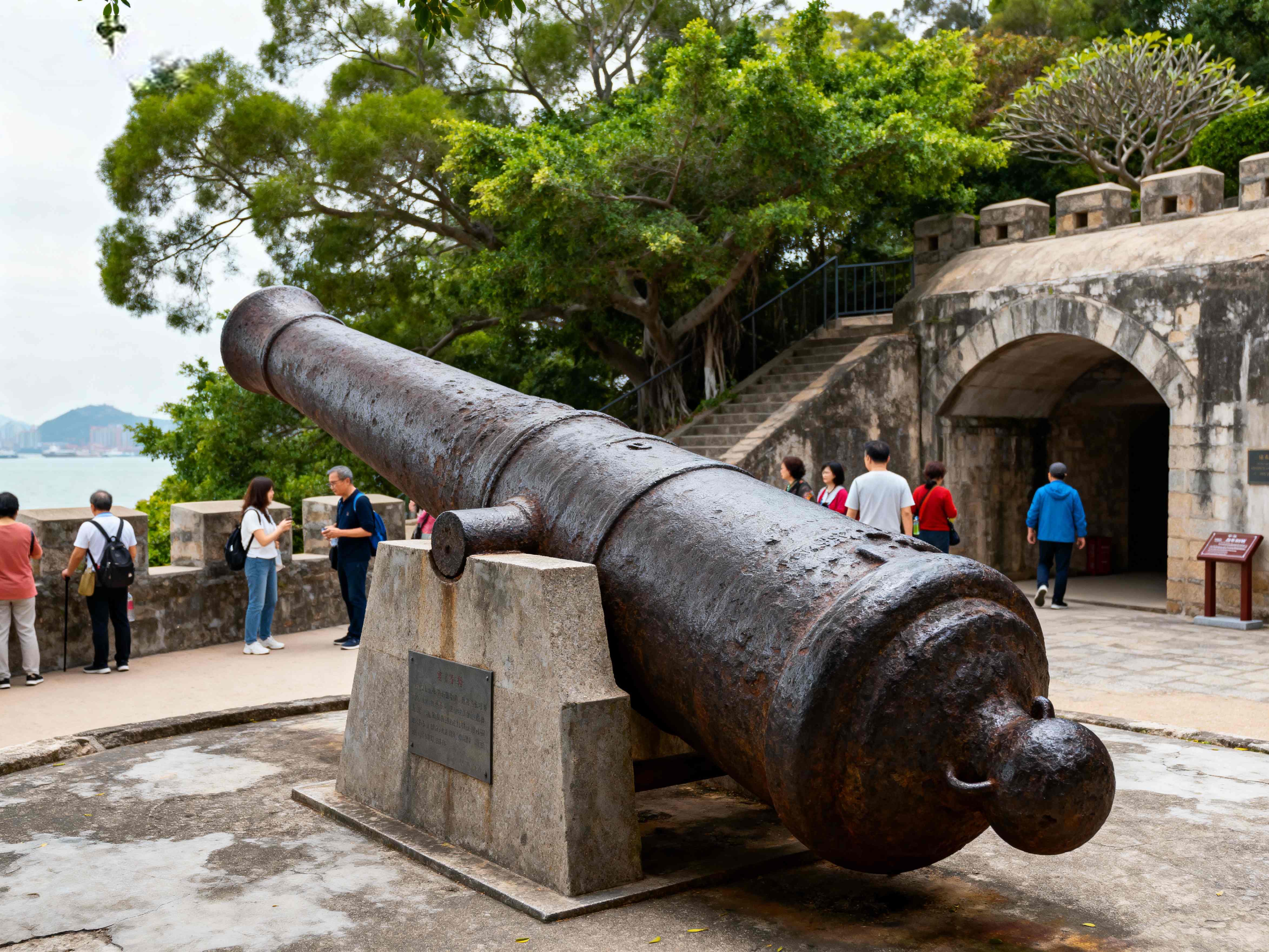
5. Hulishan Fortress
$5 entranceCoastal fortress from 1894 with world's largest ancient cannon. Sea views and military history.
🚇 How to get there: Bus 2/22/29/47/86 to Hulishan
💡 Pro tip: Cannon weighs 50 tons! Great sea views. Combine with nearby beach walk. Less crowded than other attractions.
Practical Travel Tips for Xiamen
Answers to the most common questions from Western travelers
Is WeChat Pay/Alipay mandatory? Can I use credit cards?
Most restaurants and shops prefer mobile payments, but tourist sites accept cash (CNY) and some take Visa/Mastercard. Our guide includes step-by-step WeChat Pay setup for foreigners (requires Chinese bank account OR use Tour Pass feature for tourists). ATMs are everywhere - Bank of China has best rates.
Is it safe for foreigners to travel alone in Xiamen?
Yes! Xiamen is very safe and one of China's most foreigner-friendly cities. Main concerns: pickpockets on Gulangyu Island (crowded), overpriced seafood restaurants (check prices before ordering), and aggressive souvenir sellers. The city is clean and well-organized. Our deep version guide lists common precautions and anti-scam tips.
Where to stay? Hotels with English-speaking staff?
Siming District (city center, near Zhongshan Road) or Zengcuo'an Village (beach area, hipster vibe). Recommended: Xiamen Marriott ($90/night, harbor views), Zengcuo'an guesthouses ($30-50, charming), or Airbnb near Xiamen University ($45). All major chains have English staff.
How to get from airport to city?
Airport bus to city center: $5, 40 minutes, runs 6am-midnight. Subway Line 4 connects airport to downtown. Didi costs $20-30. Xiamen has 2 train stations - Xiamen Station (island, city center) and Xiamen North Station (mainland, high-speed trains).
Can I eat street food safely? Vegetarian options?
Yes! Try oyster omelets, satay noodles, peanut soup, and spring rolls at Zhongshan Road Pedestrian Street. Zengcuo'an has great seafood BBQ. Everything is fresh! Vegetarian? Free vegetarian meals at Nanputuo Temple (11am). Western cafes in Zengcuo'an have veggie options.
Common scams to avoid?
Gulangyu Island scams are most common - overpriced snacks and souvenirs (buy on mainland instead), fake 'tour guides' offering island tours (explore on your own), and seafood restaurants charging tourist prices. Also watch for: ferry ticket scalpers (book online), and taxi drivers at ferry terminal (use Didi). Our deep version PDF guide includes detailed descriptions of all common scams and how to avoid them.
My Personal Experience in Xiamen
My Three Days in Xiamen — A Coastal Gem of Southern China
I once visited Xiamen during a road trip to Hainan Island with several friends.
Visiting Xiamen had been a dream since my university days. Back then, I couldn’t afford the trip, so I only made it as far as Fuzhou, the capital of Fujian Province. After graduation, I finally had the chance to travel along the coast with friends. Since Xiamen lay right on our route, we decided to spend three days there.
Though brief, those three days allowed me to truly experience Xiamen’s gentle warmth and vibrant charm.
Gulangyu Island — Where Time Stands Still
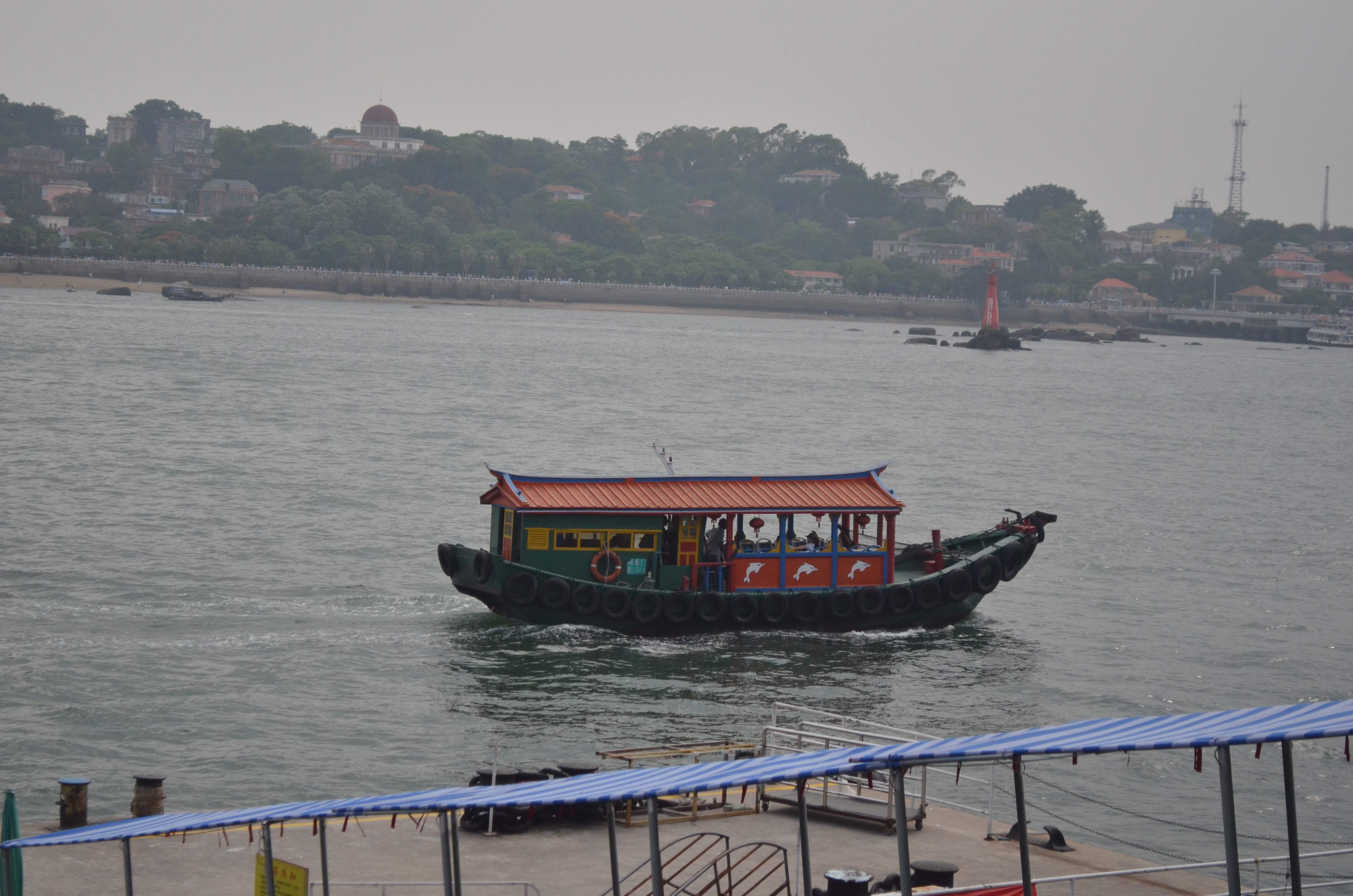
A visit to Xiamen wouldn’t be complete without a trip to Gulangyu Island.
In the early morning, the sea breeze brushes softly across the island, and the wooden shutters of old villas gleam with the patina of years under the first light of dawn. I wandered along the stone-paved paths, listening to piano melodies drifting from a half-open window, mingling with the distant church bells — a symphony of the island itself.
Each building seemed to whisper stories of a time when East met West, while the winding alleys beneath my feet felt like creases in time.
Gulangyu’s uniqueness stems from history. On January 10, 1903, the Qing government and thirteen foreign powers signed the “Gulangyu International Settlement Treaty,” officially designating the island as a public concession. This special status attracted diverse architectural influences. Foreign consulates, trading houses, and mansions of overseas Chinese businessmen all stand side by side, creating a living museum of world architecture.
The shortest distance between Gulangyu and Xiamen Island is only about 600 meters, yet no bridge connects them. As a UNESCO World Cultural Heritage Site, the island values serenity over convenience — a bridge would disturb its tranquil beauty.
The Charm of Zhongshan Road
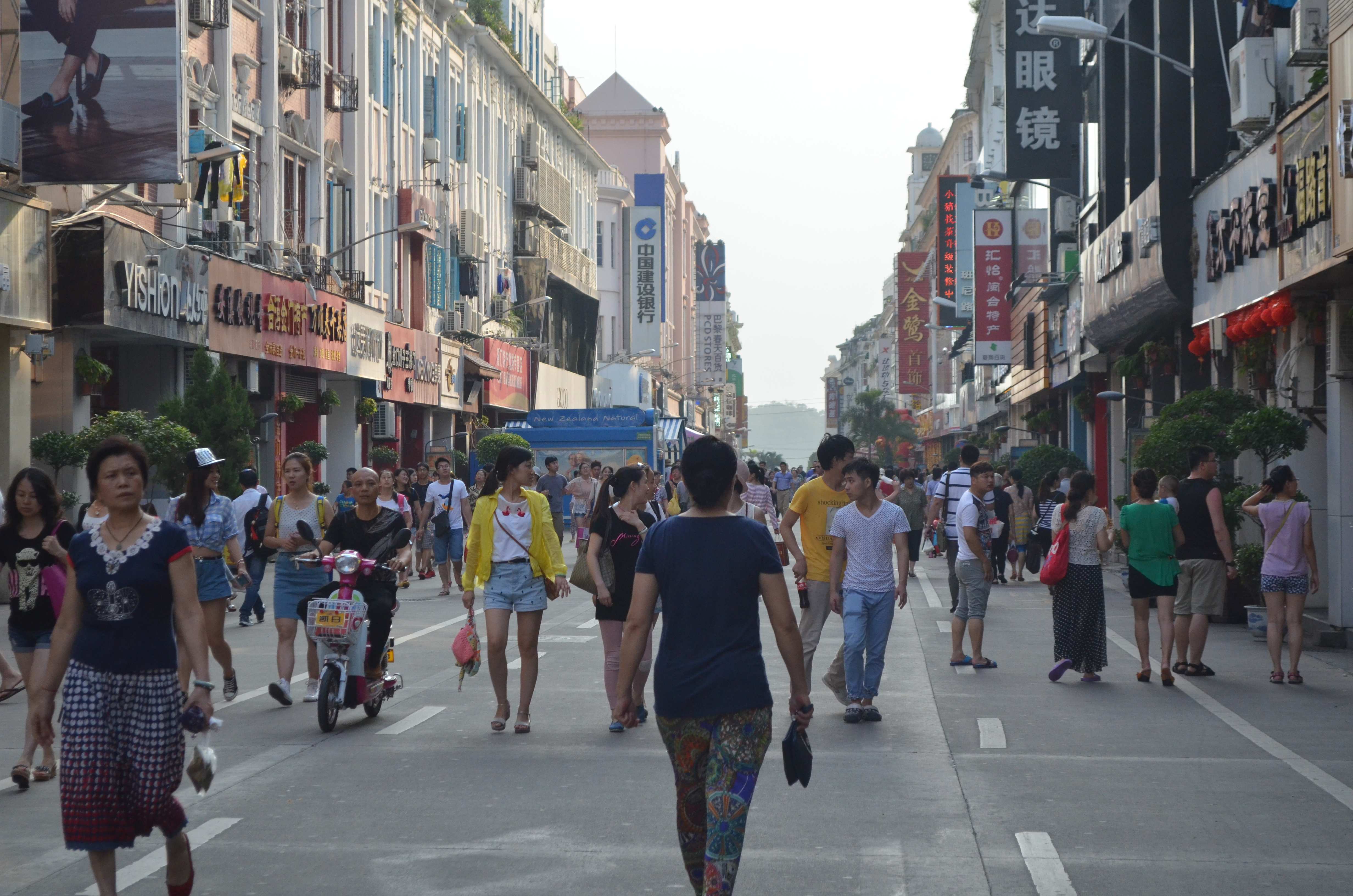
Beyond Gulangyu, we explored Zhongshan Road Pedestrian Street. The historic arcade buildings glowed warm gold in the sunset. When we arrived in the afternoon, the area was lively — filled with vendors’ shouts, laughter, and the tempting aroma of peanut soup and satay noodles.
I still remember tasting one of Xiamen’s specialties, ginger duck, at a small shop there. Zhongshan Road is definitely worth a visit.
Xiamen University — A Campus by the Sea
We also visited Xiamen University, founded in 1921 by the patriotic overseas Chinese businessman Chen Jiageng. He believed in “saving the nation through education” and devoted his fortune to cultivating talents grounded in Chinese heritage and modern scientific thinking.
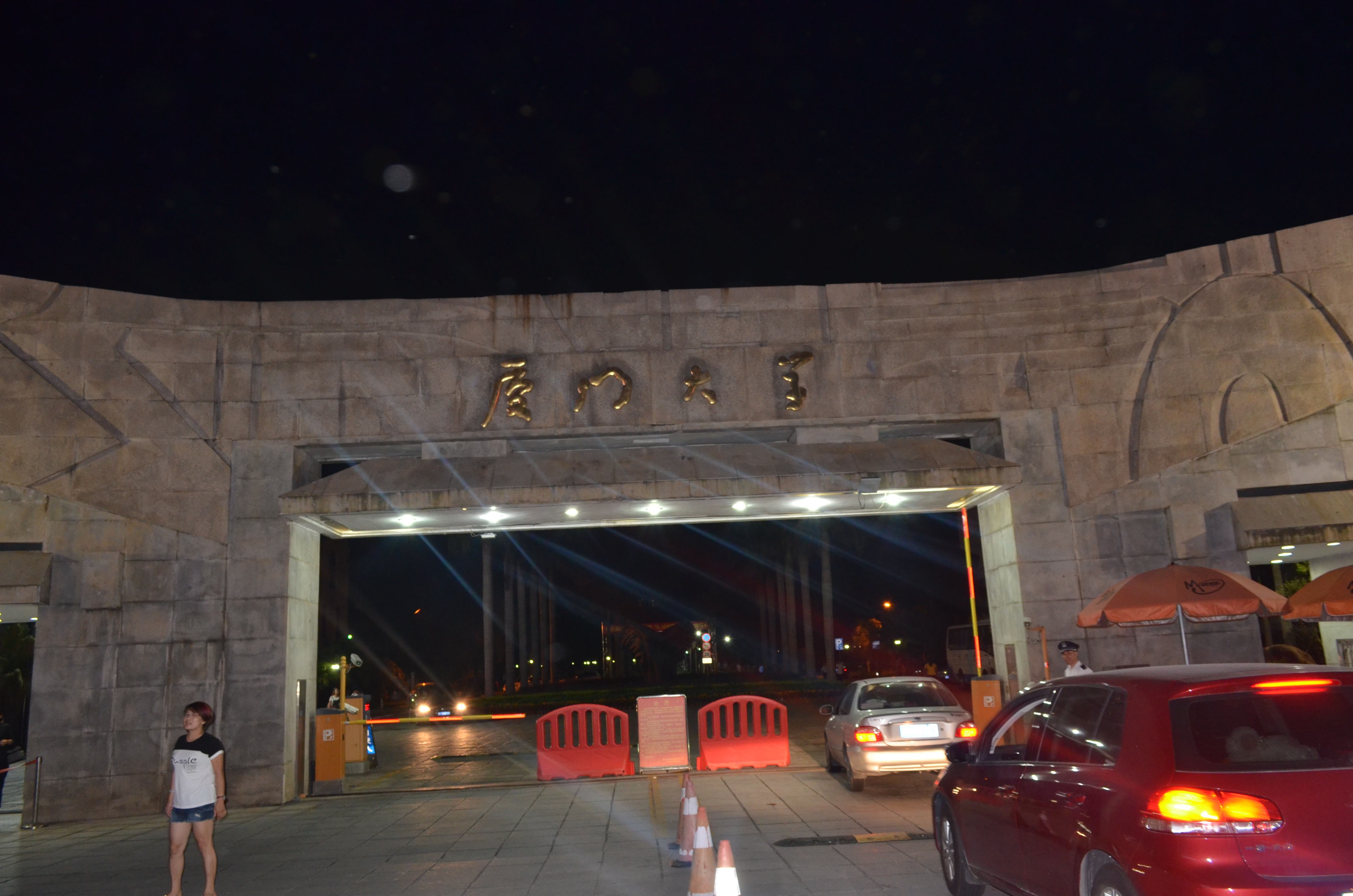
The campus, nestled between mountains and sea, beautifully blends Eastern and Western architectural styles. Under the sunlight, the glazed tiles of the main auditorium shimmered, reflecting the quiet dignity of a century-old institution.
We arrived in the evening, at a time when visitors could still enter freely. Having graduated only a few years earlier, I felt nostalgic roaming the campus. It was June, and I saw students below the dorms selling old books and belongings — a scene that instantly reminded me of my own graduation days.

Driving Along Huandao East Road
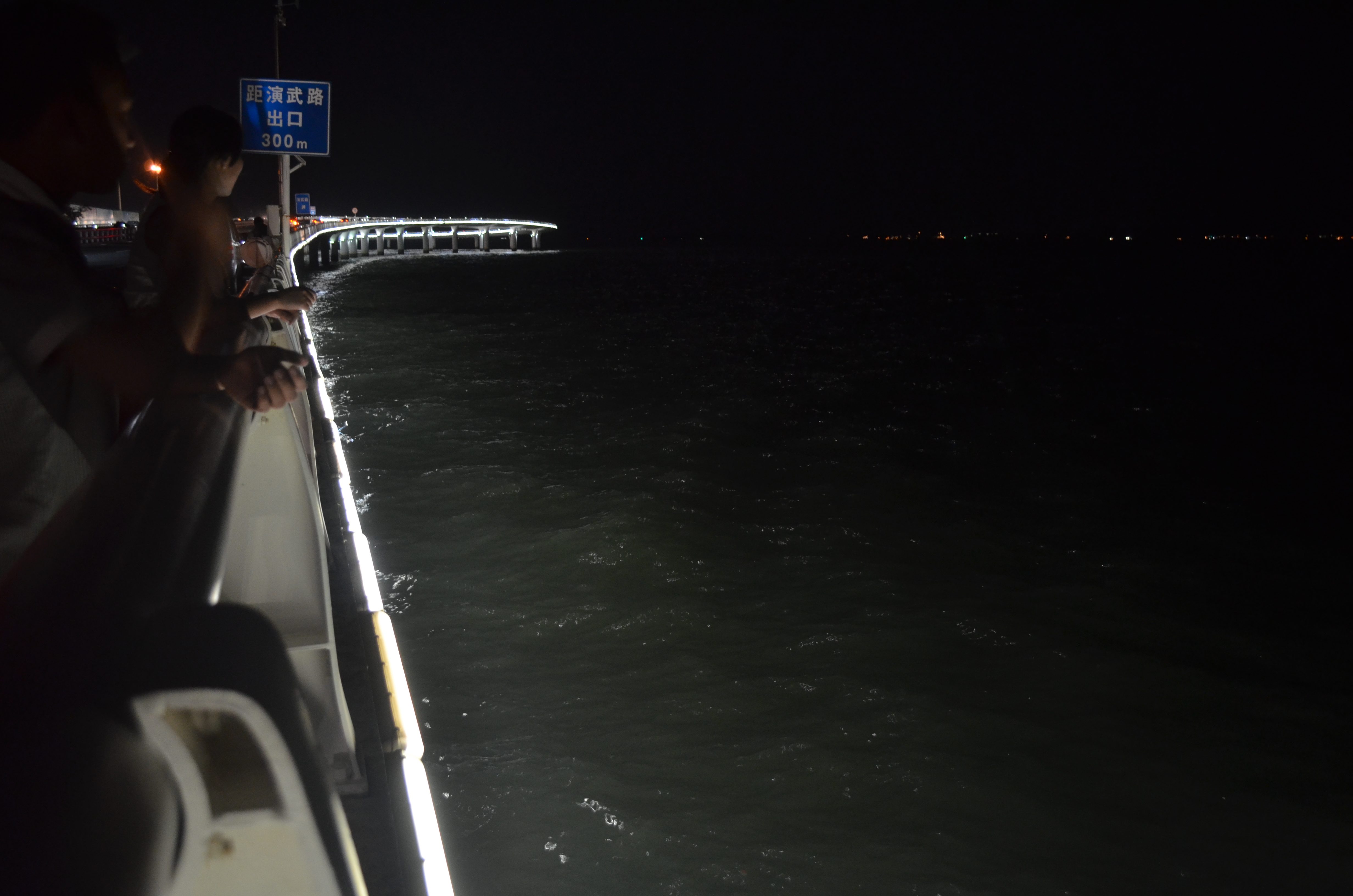
Later that night, we drove along Huandao East Road, following the coastline as Xiamen’s city lights shimmered across the rippling sea. We stopped to take photos; the elevated highway stretching over the water was something new to us — of course, we turned on our hazard lights before doing so.
Reflections on Xiamen’s Growth
Because Xiamen is close to Taiwan, Fujian Province once saw limited development for historical reasons. Over time, however, policies gradually opened, and the city has since experienced rapid growth. I haven’t been back in years, but judging by property prices alone, it’s clear how much Xiamen has prospered.
Today, Xiamen has shed its former quietness and become a dynamic coastal hub on the western side of the Taiwan Strait. Its status as a Special Economic Zone, connections with overseas Chinese, and proximity to Taiwan give it a unique role in cross-strait exchange.
Travel Tips for Visiting Xiamen
Avoid public holidays to escape heavy crowds.
Gulangyu has a daily visitor limit; book tickets online in advance.
Wear a helmet and follow traffic rules if cycling along the coastal roads.
Eat seafood only at reputable restaurants to prevent stomach issues.
Stay away from rocky coastal areas to avoid injuries from creatures like cone snails.
Research your itinerary ahead of time or choose a reliable mid-range tour; cheap “budget” tours often hide extra costs.
Be cautious of scams involving “free guided tours” — these often lead to overpriced tea or jewelry shops selling fake goods. Even national TV has covered such cases. Our upcoming detailed guide will include more tips on avoiding travel traps.
Comments (0)
Frequently Asked Questions About Xiamen
Real questions from travelers planning their trip
Q1: What are the biggest mistakes Western visitors make in Xiamen, and how can I avoid them?
Mistake #1: Only visiting Gulangyu Island and missing Zengcuo'an Village. #2: Going to Gulangyu on weekends (too crowded - go on weekdays). #3: Not booking ferry tickets in advance (sold out). #4: Eating at overpriced restaurants on Gulangyu (eat on mainland). #5: Skipping Nanputuo Temple and Xiamen University. #6: Not trying local snacks like oyster omelets and satay noodles.
Q2: As a foreigner, how long can I stay in China visa-free? Where can I check this information?
Visa-free duration varies by nationality (typically 15-30 days for eligible countries). Check official sources: a) Ministry of Foreign Affairs of the People's Republic of China - Consular Service website, b) National Immigration Administration of China official platform, c) Chinese Embassy/Consulate in your home country. Requirements and eligible countries change frequently, so always verify before booking flights.
Q3: Do I need travel insurance for China, and what should it cover?
Yes, highly recommended! Your insurance should cover: medical emergencies (hospitals may require upfront payment), medical evacuation, trip cancellation/interruption, lost luggage, and personal liability. Ensure it covers adventure activities if you plan hiking (Great Wall) or skiing. Some policies exclude pre-existing conditions. Recommended providers: World Nomads, SafetyWing, or Allianz. Cost: $30-80 for a week. Keep policy documents offline as you may not access cloud storage without VPN.
Q4: Is Didi (China's Uber) safe and easy for foreigners?
Yes! Didi is safe, affordable, and foreigner-friendly. Download the app before arrival and link an international credit card or Alipay/WeChat Pay. The app has English interface. Drivers may not speak English, but the app translates your destination. Safety features: GPS tracking, driver ratings, emergency button. Cost: 50-70% cheaper than taxis. Pro tip: Screenshot your destination in Chinese to show drivers if needed. Avoid unlicensed 'black cabs' at airports.
Q5: Do all hotels accept foreigners, or are some 'Chinese only'?
Not all hotels can accept foreigners - they need a special license to register foreign passports. International chains (Hilton, Marriott, Hyatt) and most 3-star+ hotels in major cities are licensed. Budget hostels and small guesthouses may not be. Always confirm when booking: look for 'accepts foreign guests' or ask directly. Bring your passport - hotels must register you with local police within 24 hours (standard procedure, not concerning).
Latest Travel Tips
Explore More Destinations
Discover other amazing cities in China with our comprehensive travel guides