
Wuhan Travel Guide: Your Complete Guide to China's River City
Everything you need to know: Yellow Crane Tower tickets, East Lake cycling, hot dry noodles breakfast spots, Yangtze River cruise, scam prevention, and hidden local gems
Discover Yellow Crane Tower, East Lake, hot dry noodles, and Yangtze Bridge. In-depth guide for Western visitors.
Why Wuhan? Quick Overview
Everything Western visitors need to know before booking
City of Rivers and Lakes
Where Yangtze and Han Rivers meet - Yellow Crane Tower, East Lake, and revolutionary history
Yellow Crane Tower, East Lake, and Hubei Provincial Museum
Hot Dry Noodles & Re Gan Mian
From breakfast noodles to duck neck, Wuhan offers unique street food culture
Fine dining, street food, everything available
Budget-Friendly ($40-120/day)
Affordable city: 4-star hotels at $55/night, metro rides at $0.40
Deep version guide includes WeChat/Alipay payment setup guide
Beyond Tourist Traps
Deep version guide includes practical anti-scam tips to avoid being cheated
Common local scams, overcharging, and more
🏔️ Planning a Road Trip in Western China?
Get our FREE high-altitude driving safety guide before you go!
High-Altitude Driving Essentials
Get 5 Must-Know Tips for Safe Western China Roads (FREE PDF)
Top 5 Must-Visit Attractions in Wuhan
With prices, transport directions, and insider tips to avoid crowds
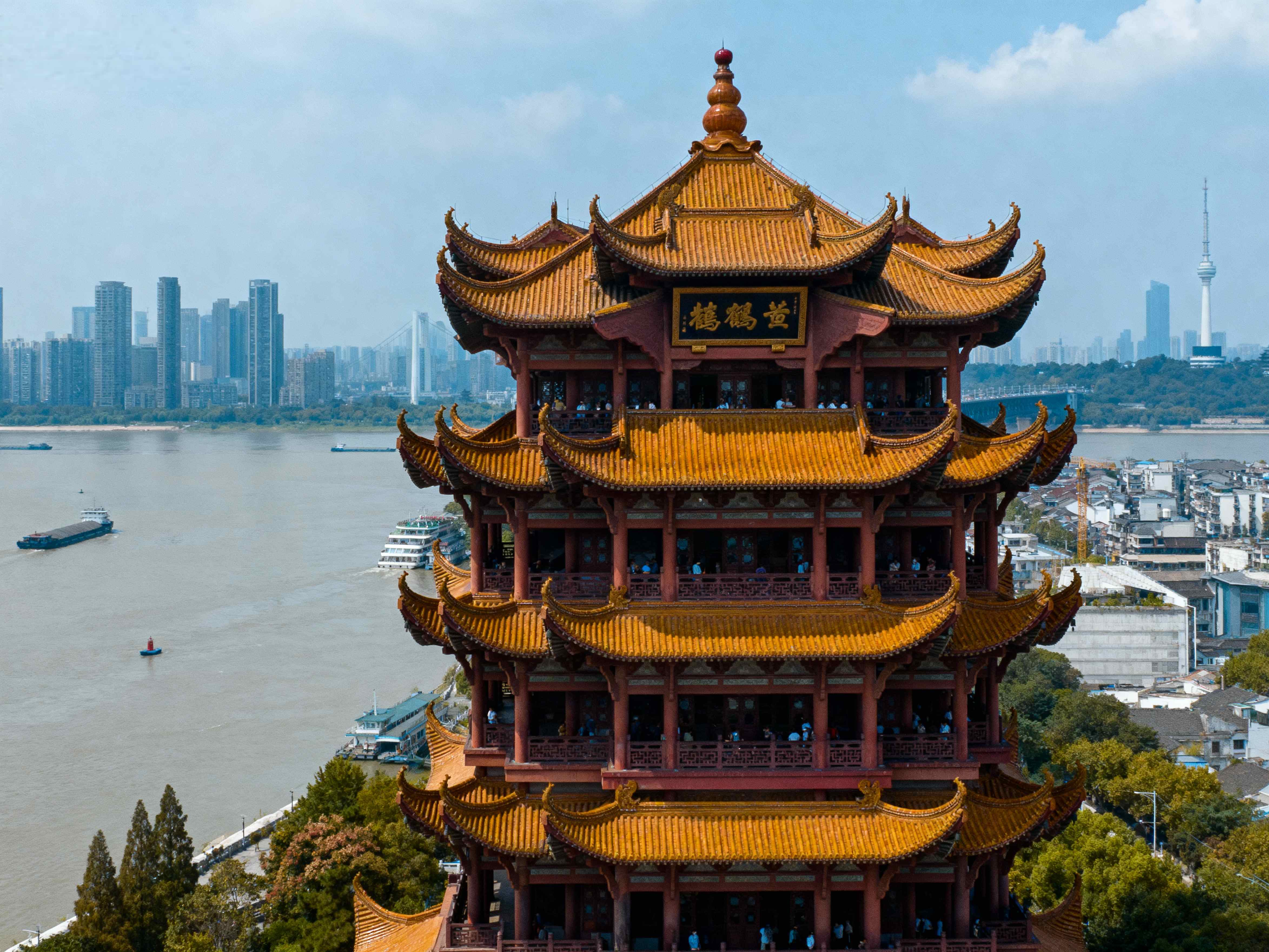
1. Yellow Crane Tower
$12 entranceIconic 5-story tower rebuilt in 1985. Symbol of Wuhan with Yangtze River views and Tang Dynasty poetry.
🚇 How to get there: Subway Line 4 to Fuxinglu station, then 10-min walk
💡 Pro tip: Climb to top for river views. Best at sunset. Nearby Yangtze River Bridge is impressive. Avoid weekends (crowded).
-1762572755151.jpg)
2. East Lake (Donghu)
Free (some gardens $5)China's largest urban lake. Cherry blossoms, cycling paths, and peaceful gardens.
🚇 How to get there: Subway Line 8 to Xiaohongshan station
💡 Pro tip: Rent bike ($5/day) to explore. Best in spring (March-April) for cherry blossoms. Moshan Scenic Area is highlight.
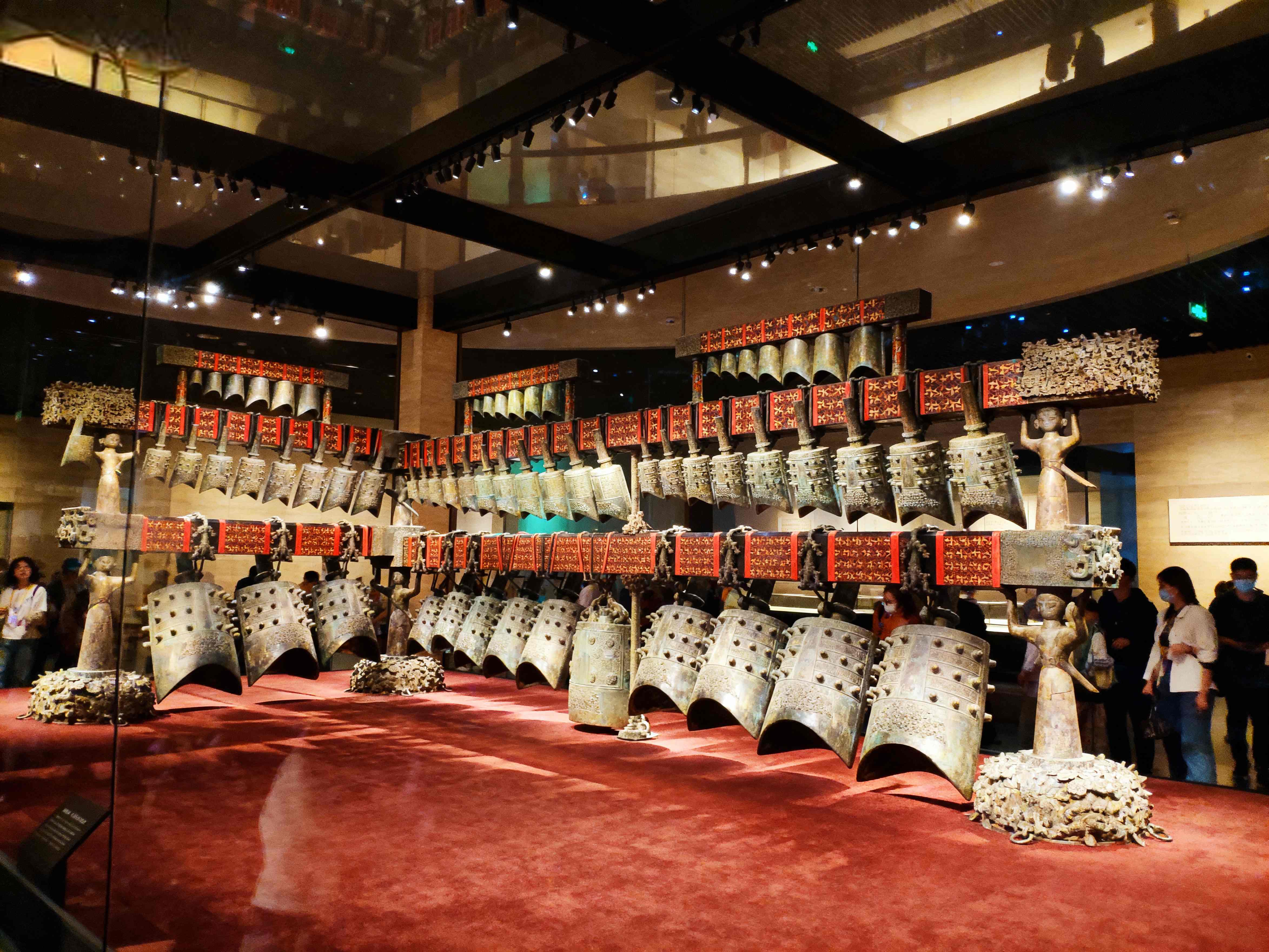
3. Hubei Provincial Museum
Free (book online)World-class museum with ancient chime bells and Marquis Yi tomb artifacts. Free admission!
🚇 How to get there: Subway Line 4 to Dongting station
💡 Pro tip: Book tickets 1 day in advance. Chime bell performance at 11am and 3pm ($15 extra). English audio guide available.
-1762572772537.jpg)
4. Hubu Alley (Breakfast Street)
Free (food $3-8)Famous food street for Wuhan breakfast. Hot dry noodles (re gan mian), doupi, and soup dumplings.
🚇 How to get there: Subway Line 2 to Jiyuqiao station, then 5-min walk
💡 Pro tip: Go early (7-9am) for best selection. Must-try: hot dry noodles, doupi, mian wo. Cash only at some stalls.
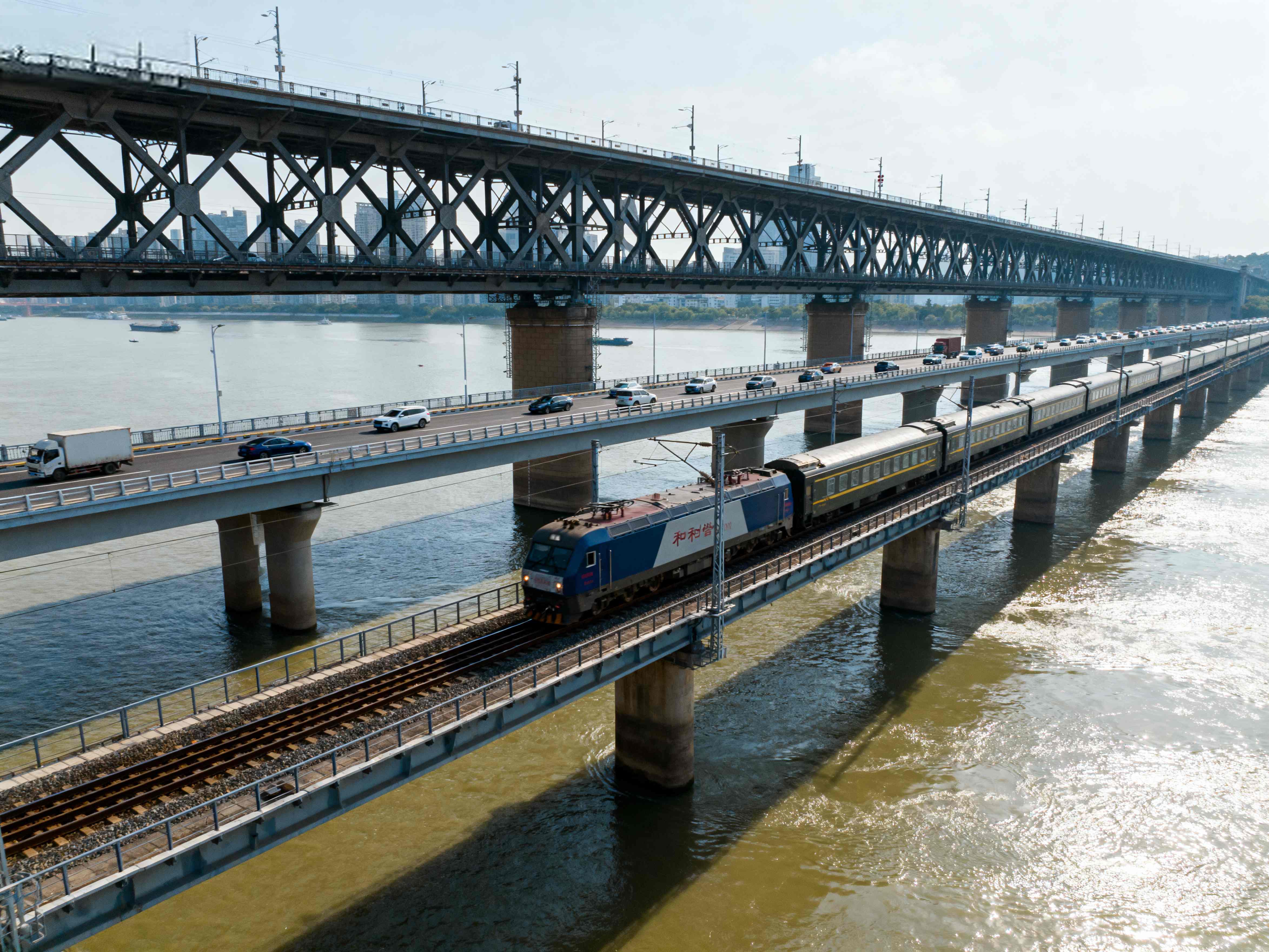
5. Wuhan Yangtze River Bridge
FreeFirst bridge over Yangtze River (1957). Engineering marvel and city symbol.
🚇 How to get there: Subway Line 4 to Fuxinglu, then walk or taxi
💡 Pro tip: Walk across for river views. Best combined with Yellow Crane Tower visit. Night lights are beautiful.
Practical Travel Tips for Wuhan
Answers to the most common questions from Western travelers
Is WeChat Pay/Alipay mandatory? Can I use credit cards?
Most restaurants and shops prefer mobile payments, but tourist sites accept cash (CNY) and some take Visa/Mastercard. Our guide includes step-by-step WeChat Pay setup for foreigners (requires Chinese bank account OR use Tour Pass feature for tourists). ATMs are everywhere - Bank of China has best rates.
Is it safe for foreigners to travel alone in Wuhan?
Yes! Wuhan is safe and has a growing expat community (many universities). Main concerns: pickpockets at tourist sites and train stations, aggressive street vendors, and taxi drivers taking long routes (use Didi instead). The city is modern and well-connected. Our deep version guide lists common precautions and anti-scam tips.
Where to stay? Hotels with English-speaking staff?
Wuchang District (near East Lake, universities) or Hankou District (business center, shopping). Recommended: Wanda Reign Wuhan ($90/night, riverside), Hanting Hotel ($30, budget chain), or Airbnb near East Lake ($40). All major chains have English staff.
How to get from airport to city?
Airport metro Line 2 to city center ($3, 40 minutes). Airport bus to various districts: $5, 50-70 minutes. Didi costs $20-30. Wuhan has 3 main train stations - Wuhan Station, Wuchang Station, and Hankou Station (check carefully!).
Can I eat street food safely? Vegetarian options?
Yes! Try hot dry noodles (re gan mian), doupi, duck neck, and lotus root soup at Hubu Alley and Jiqing Street. Everything is fresh! Wuhan is famous for breakfast culture. Vegetarian? Buddhist restaurants near Guiyuan Temple serve veggie dishes. Western cafes near universities.
Common scams to avoid?
Train station scams are most common - fake taxi drivers, unlicensed 'black cabs', and strangers offering 'cheap hotels' (take you to overpriced places). Always use Didi or official taxis. Also watch for: tea ceremony scams (strangers invite you to tea house), and overpriced souvenirs near Yellow Crane Tower. Our deep version PDF guide includes detailed descriptions of all common scams and how to avoid them.
My Personal Experience in Wuhan
Wuhan — The Heart of Central China
Introduction
Wuhan is the capital city of Hubei Province in central China, known as the “Crossroads of Nine Provinces.” It is one of the core cities along the Yangtze River Economic Belt, serving as a major industrial base, a center for science and education, and an important transportation hub in the nation.
Wuhan is the city I’ve visited the most. Why? Because I attended university there, and my college years fostered a deep affection for this city. Even after graduation, I returned to Wuhan many times and even lived there for a period. Each time I set foot on this land, the familiar aroma of hot dry noodles and the evening breeze along the Yangtze River instantly awaken my memories.
Geography and Transportation
Hubei Province lies in central China, with Wuhan located in its central-eastern part. The city serves as a major transportation hub where the Jingguang Railway and the Yangtze River Golden Waterway intersect. With its extensive network of high-speed railways, air routes, and shipping lines, Wuhan connects easily with every direction. This makes it one of the most convenient cities in China for travel, whether for business, family visits, or tourism—a true gateway to central and southern China.
University Life in Jiangxia District
The area I’m most familiar with in Wuhan is Jiangxia District because my university is located there, by Tangxun Lake. Although it’s not part of the central downtown, Jiangxia has developed rapidly in recent years, thanks to its well-connected transportation network.
Wuhan’s core consists of three major areas—Wuchang, Hankou, and Hanyang. Among them, I’m most familiar with Guanggu Pedestrian Street in Wuchang District, as the bus terminal near our school was located right at Guanggu Square.
Guanggu — Wuhan’s Silicon Valley
Just as the United States has Silicon Valley, Wuhan has Guanggu. Guanggu is not only the high-tech innovation hub of the city but also a passionate place where young people chase their dreams. As twilight falls, the pedestrian street lights up brilliantly, filled with streams of people. The aroma of coffee mingles with the entrepreneurial energy in the air.
This area gathers numerous tech companies and startup teams specializing in fiber-optic communications, chip R&D, artificial intelligence, and biopharmaceuticals. Walking through Guanggu Software Park and Future City, you can see countless young faces, energetic and determined, rushing toward their ambitions.

Cherry Blossoms and the Beauty of Spring
The cherry blossoms at Wuhan University are famous throughout China. Every spring, the sea of pink and white petals resembles floating clouds, drawing countless visitors. The blossoms complement the profound academic atmosphere of this century-old institution, where traditional buildings peek through cascades of falling petals—a truly poetic scene.
Landmarks Along the Yangtze River
For foreign visitors, the Wuhan Yangtze River Bridge is a must-see. As the first bridge ever built across the Yangtze River, it was a milestone in China’s modern engineering history and a vital link connecting Wuhan’s three major districts. From the bridge, the view of the river stretching into the distance is magnificent.
Another iconic landmark is the Yellow Crane Tower, one of China’s Four Great Towers. Standing atop Snake Hill, it offers sweeping views of the city. Over the centuries, many poets have composed verses celebrating its beauty and spirit.
The Flavor of Wuhan — Hubu Alley
Hubu Alley in Hankou is a traditional food street lined with stalls selling authentic local snacks—fried noodles, bean buns, rice noodles, and more. In the morning, steam rises from the stalls as people enjoy bowls of hot dry noodles mixed with sesame paste. In the evening, the narrow street comes alive with locals and tourists alike, savoring the city’s rich and diverse flavors.
Life as a Student
Looking back, I realize I wasn’t as familiar with Wuhan as I once thought, since I mainly lived there as a student. The defining trait of student life is, after all, being broke. Because of that, I didn’t travel much or visit famous attractions. Instead, I explored the city’s corners within my limited budget.
I often visited friends at other universities since that only required a bus ticket—less than 10 RMB for a full day out. I remember cycling with classmates around East Lake, renting a tandem bike and riding leisurely by the water—it was a simple but wonderful experience.
I also visited the Hubei Provincial Museum, which is truly worth exploring. Hubei is the heartland of Chu culture, and the museum’s collection—from bronze bells and weapons to lacquerware excavated from the tomb of Marquis Yi of Zeng—reflects the Chu people’s pioneering spirit and their devotion to ritual and music.
A Memory on Two Wheels
In my final year of university, I bought a Merida bicycle, planning to ride along the Sichuan–Tibet Highway. Later, I realized the challenge was too great and feared I couldn’t make it. A decade later, in 2024, I finally fulfilled this dream by traveling the Sichuan–Tibet Highway by car.
When looking back through my photo albums, I found very few pictures from my time in Wuhan. There are two main reasons for that. First, I started university early, when smartphones were just emerging, and I only had a compact camera with limited image quality and storage. Second, because these were everyday moments, I didn’t feel the need to keep many photos—especially of places like Guanggu that I visited often. The Guanggu photos shown later were taken during later visits.
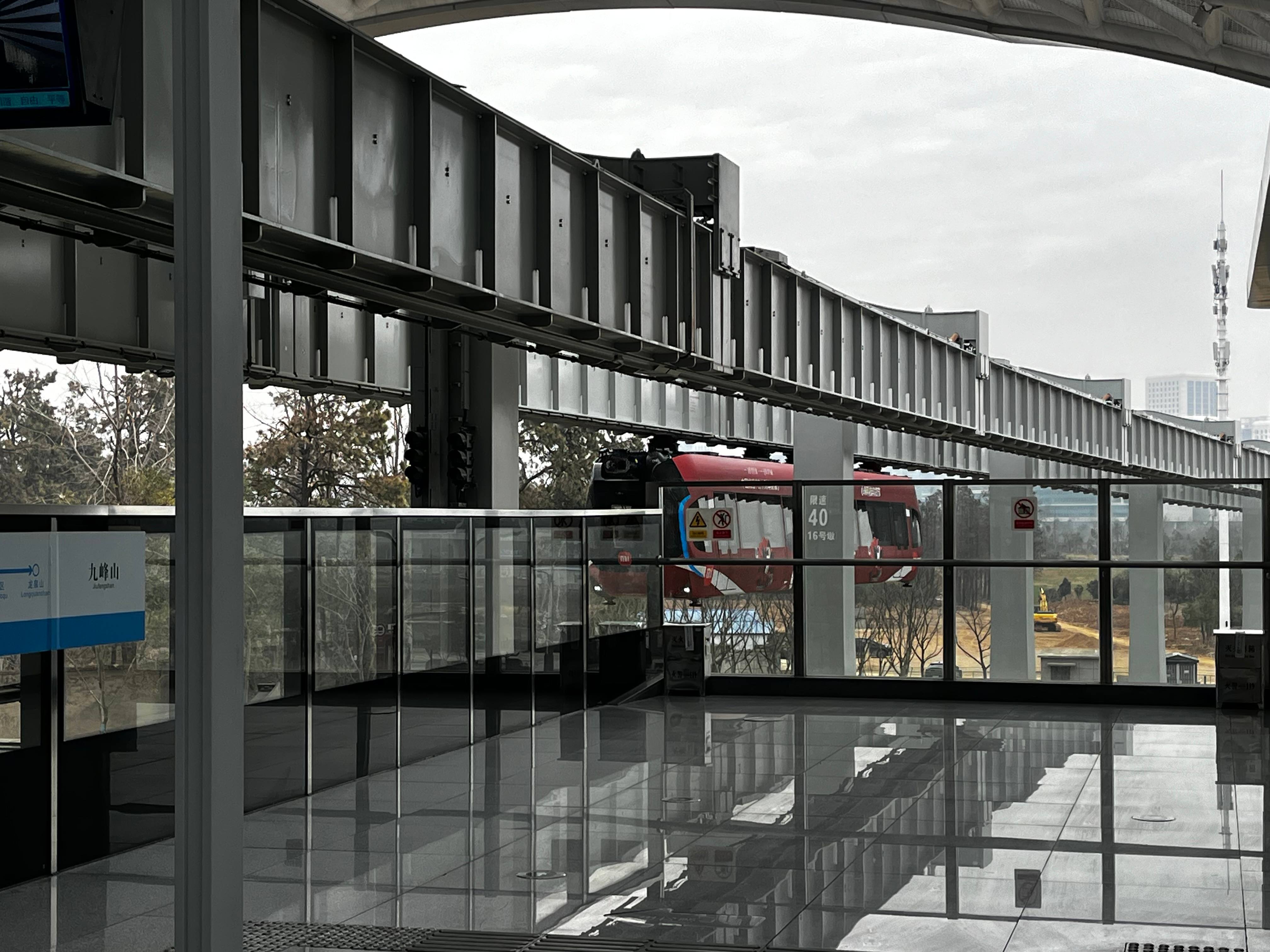
(Wuhan Skyrail — the train hangs beneath the track, photographed in 2023.)
Final Thoughts
Wuhan is a city worth savoring slowly. Though the city’s terrain is mostly flat, its geographical position and historical depth make it remarkable. It was here that the shots of the Wuchang Uprising rang out, marking a turning point in modern Chinese history. Wuhan is, without a doubt, a city steeped in culture and resilience.
The number of times I’ve been to Wuhan no longer matters; this city has been deeply imprinted in my memory. I sincerely welcome everyone to visit Wuhan—there are always new and fascinating things waiting to be discovered.
Comments (0)
Frequently Asked Questions About Wuhan
Real questions from travelers planning their trip
Q1: What are the biggest mistakes Western visitors make in Wuhan, and how can I avoid them?
Mistake #1: Only visiting Yellow Crane Tower and missing East Lake. #2: Not trying hot dry noodles for breakfast at Hubu Alley. #3: Visiting in summer (extremely hot and humid, 35-40°C, 'one of China's three furnaces'). #4: Confusing the 3 train stations (Wuhan, Wuchang, Hankou - check carefully!). #5: Skipping Hubei Provincial Museum (world-class, free!). #6: Not visiting during cherry blossom season (March-April at East Lake).
Q2: As a foreigner, how long can I stay in China visa-free? Where can I check this information?
Visa-free duration varies by nationality (typically 15-30 days for eligible countries). Check official sources: a) Ministry of Foreign Affairs of the People's Republic of China - Consular Service website, b) National Immigration Administration of China official platform, c) Chinese Embassy/Consulate in your home country. Requirements and eligible countries change frequently, so always verify before booking flights.
Q3: Do I need travel insurance for China, and what should it cover?
Yes, highly recommended! Your insurance should cover: medical emergencies (hospitals may require upfront payment), medical evacuation, trip cancellation/interruption, lost luggage, and personal liability. Ensure it covers adventure activities if you plan hiking (Great Wall) or skiing. Some policies exclude pre-existing conditions. Recommended providers: World Nomads, SafetyWing, or Allianz. Cost: $30-80 for a week. Keep policy documents offline as you may not access cloud storage without VPN.
Q4: Is Didi (China's Uber) safe and easy for foreigners?
Yes! Didi is safe, affordable, and foreigner-friendly. Download the app before arrival and link an international credit card or Alipay/WeChat Pay. The app has English interface. Drivers may not speak English, but the app translates your destination. Safety features: GPS tracking, driver ratings, emergency button. Cost: 50-70% cheaper than taxis. Pro tip: Screenshot your destination in Chinese to show drivers if needed. Avoid unlicensed 'black cabs' at airports.
Q5: Do all hotels accept foreigners, or are some 'Chinese only'?
Not all hotels can accept foreigners - they need a special license to register foreign passports. International chains (Hilton, Marriott, Hyatt) and most 3-star+ hotels in major cities are licensed. Budget hostels and small guesthouses may not be. Always confirm when booking: look for 'accepts foreign guests' or ask directly. Bring your passport - hotels must register you with local police within 24 hours (standard procedure, not concerning).
Latest Travel Tips
Explore More Destinations
Discover other amazing cities in China with our comprehensive travel guides