
Qingdao Travel Guide: Your Complete Guide to China's Beer Capital and Coastal Gem
Everything you need to know: Tsingtao Beer Museum, best beaches, German architecture walking tour, fresh seafood markets, scam prevention, and hidden coastal spots
Discover German architecture, Tsingtao Brewery, beaches, and fresh seafood. In-depth guide for Western visitors.
Why Qingdao? Quick Overview
Everything Western visitors need to know before booking
German Colonial Heritage
European architecture meets Chinese culture - former German colony (1898-1914)
Red-roofed buildings, Gothic churches, and Tsingtao Brewery
Fresh Seafood & Tsingtao Beer
From grilled squid to sea urchin, paired with China's most famous beer
Fine dining, street food, everything available
Budget-Friendly ($45-130/day)
Affordable coastal city: 4-star hotels at $65/night, metro rides at $0.40
Deep version guide includes WeChat/Alipay payment setup guide
Beyond Tourist Traps
Deep version guide includes practical anti-scam tips to avoid being cheated
Common local scams, overcharging, and more
🏔️ Planning a Road Trip in Western China?
Get our FREE high-altitude driving safety guide before you go!
High-Altitude Driving Essentials
Get 5 Must-Know Tips for Safe Western China Roads (FREE PDF)
Top 5 Must-Visit Attractions in Qingdao
With prices, transport directions, and insider tips to avoid crowds
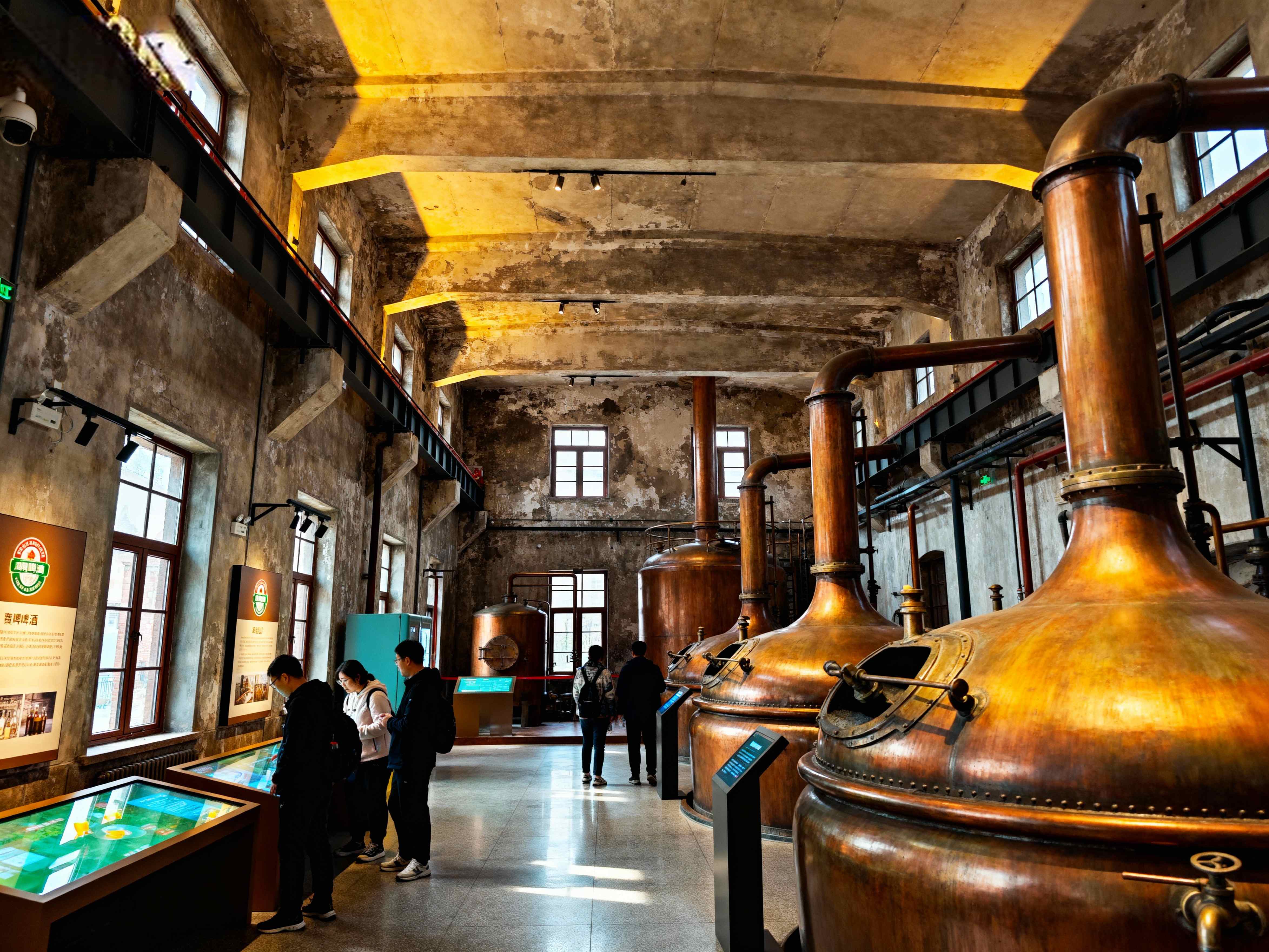
1. Tsingtao Brewery Museum
$10 entrance (includes 2 beers)Original 1903 German brewery. Learn beer-making process and taste fresh Tsingtao beer straight from the tank!
🚇 How to get there: Subway Line 3 to Renmin Huiguan station, then 10-min walk
💡 Pro tip: Go for the free beer! Try original unfiltered Tsingtao. Museum tour is interesting. Gift shop has exclusive beers.
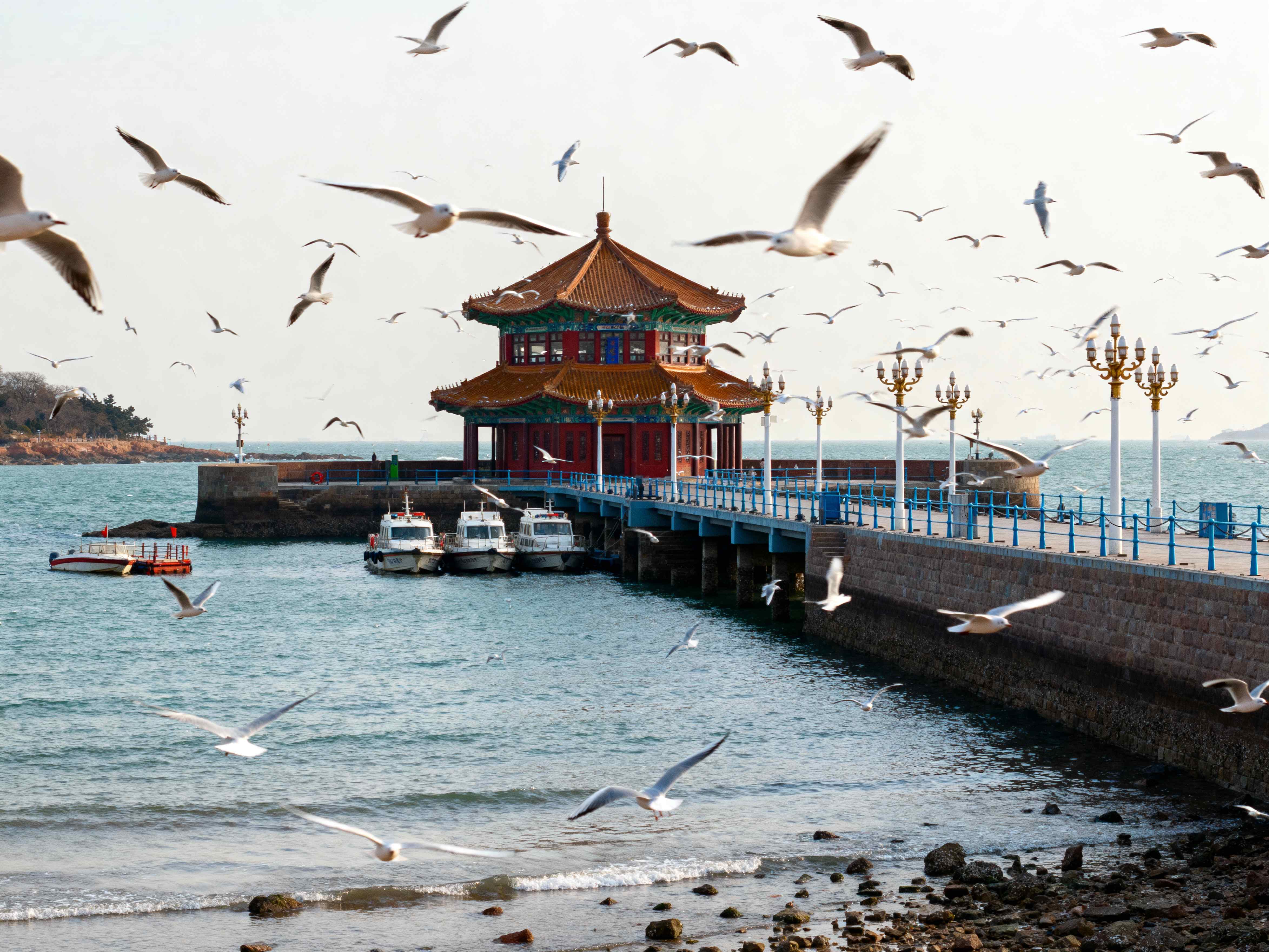
2. Zhan Qiao Pier
FreeIconic 440m pier with octagonal pavilion. Symbol of Qingdao. Stunning sea views and German architecture backdrop.
🚇 How to get there: Subway Line 3 to Qingdao Railway Station, then 5-min walk
💡 Pro tip: Best at sunset (6-7pm). Combine with beach walk. Nearby Zhongshan Road for shopping. Watch out for aggressive vendors.
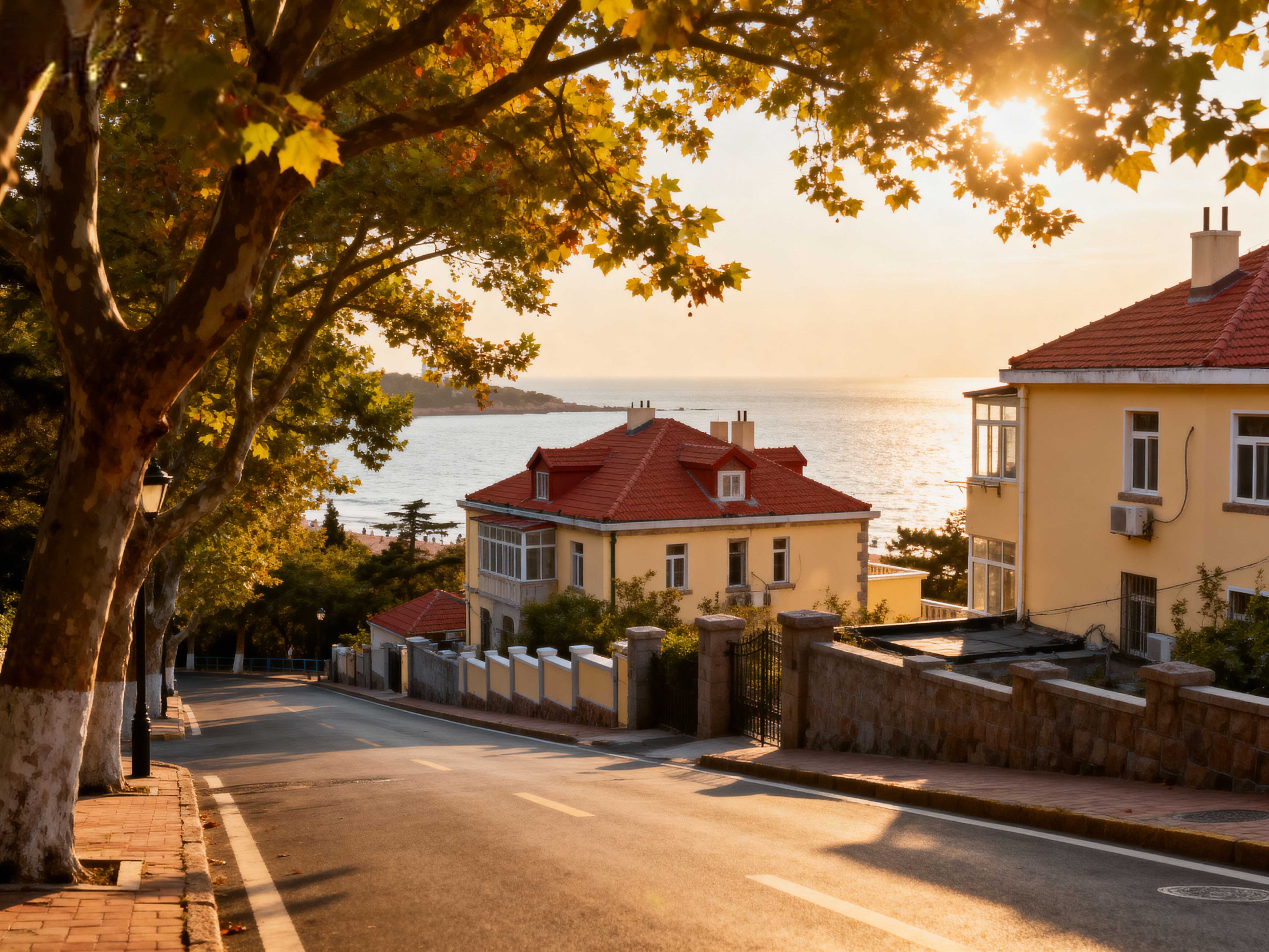
3. Badaguan Scenic Area
Free (some villas charge $3-5)Eight Great Passes - European-style villas from 1930s. Tree-lined streets, beaches, and colonial architecture.
🚇 How to get there: Subway Line 3 to Zhongshan Park station, then bus 26/31
💡 Pro tip: Rent bike to explore. Each street has different trees. Princess House is most famous villa. Great for wedding photos!
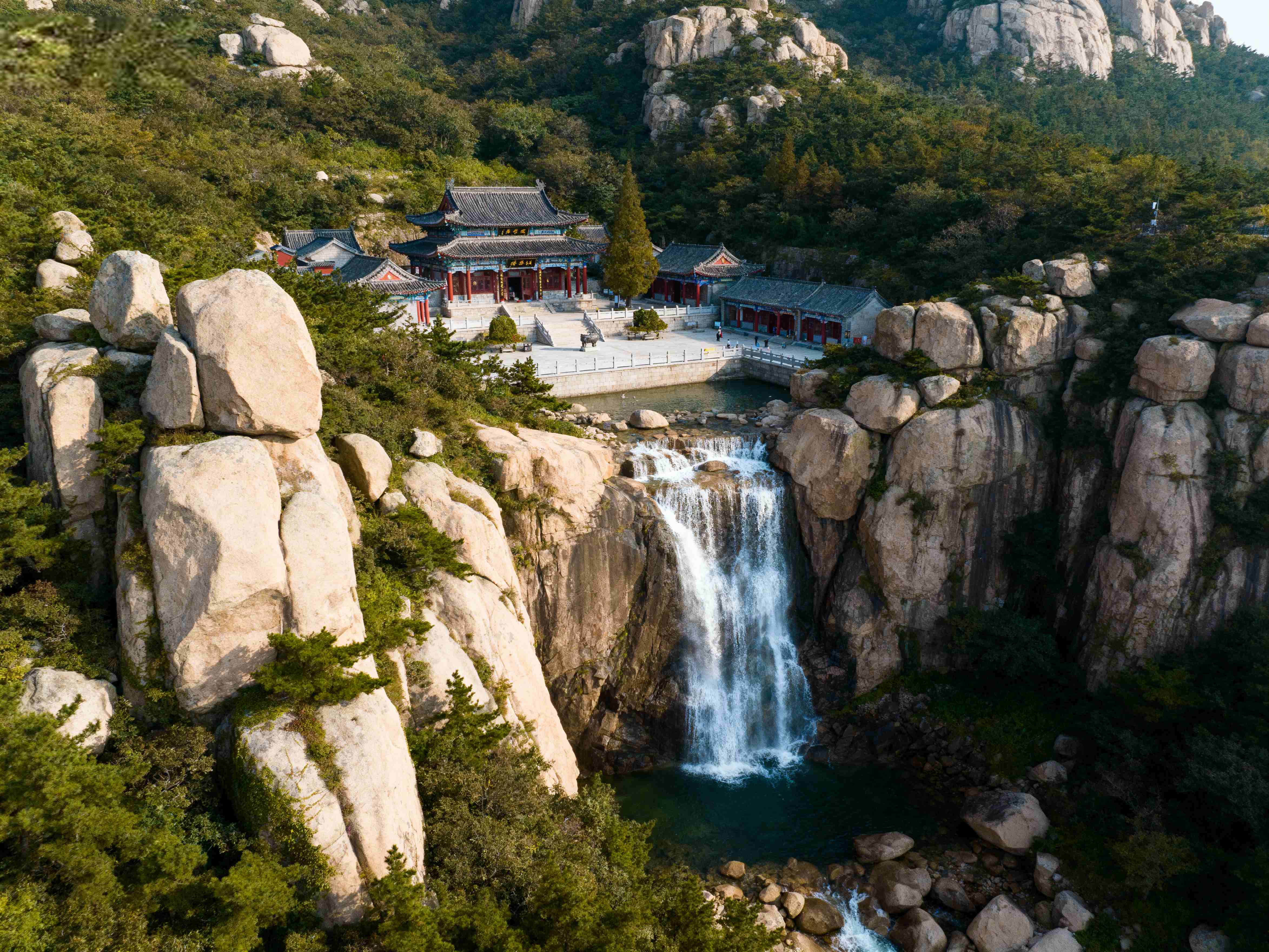
4. Laoshan Mountain
$15 entrance + $10 cable carSacred Taoist mountain by the sea. Temples, waterfalls, and coastal hiking trails. Laoshan mineral water source.
🚇 How to get there: Bus 304/110 from city center (1.5 hours) or tour
💡 Pro tip: Try Laoshan green tea. Taiqing Palace is main temple. Bring hiking shoes. Seafood lunch at mountain base.
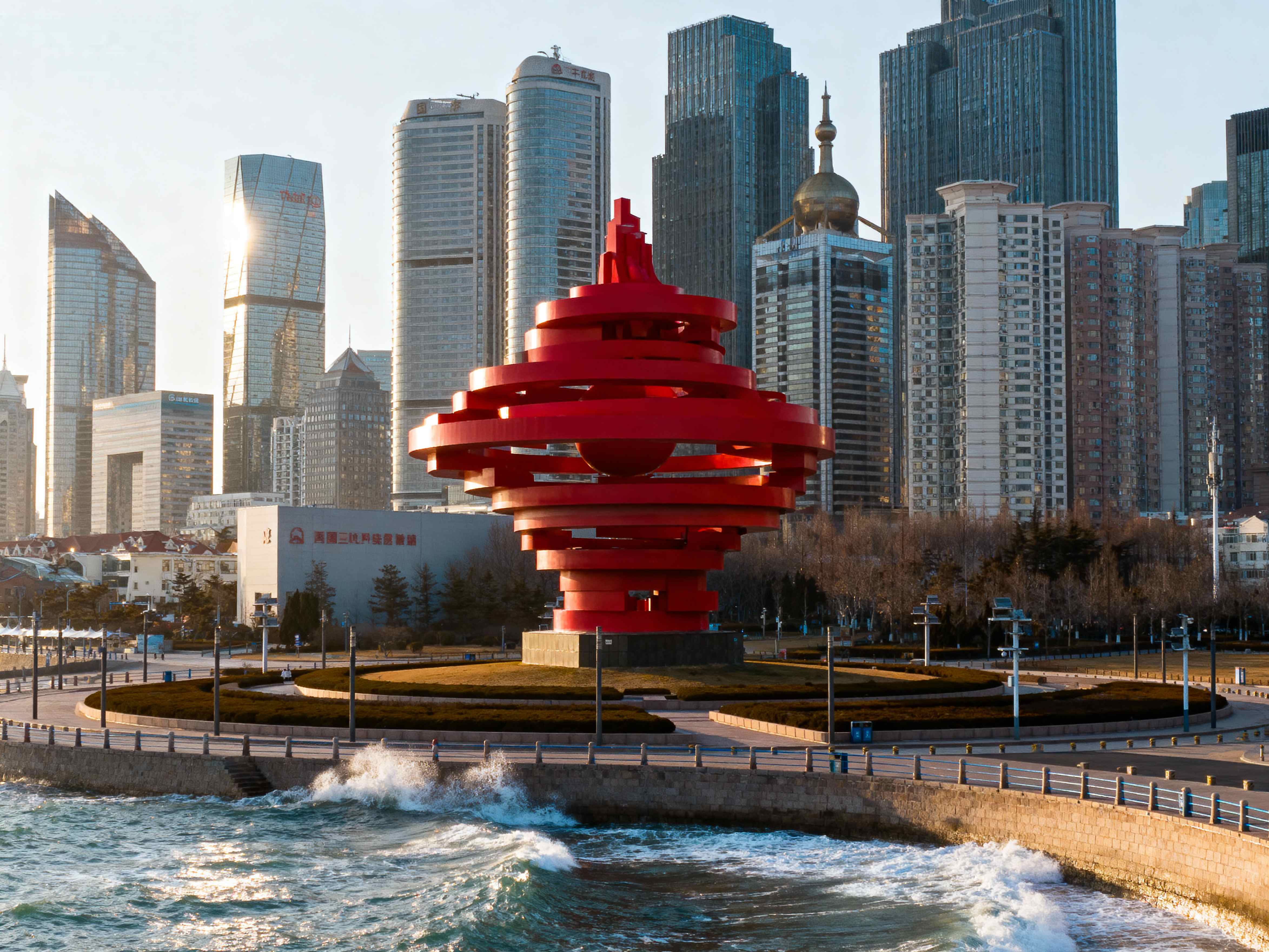
5. May Fourth Square
FreeModern waterfront plaza with iconic red sculpture "May Wind". Night light show and sea views.
🚇 How to get there: Subway Line 3 to Wusi Square station
💡 Pro tip: Best at night for light show (8-9pm). Combine with Olympic Sailing Center. Nearby shopping malls and restaurants.
Practical Travel Tips for Qingdao
Answers to the most common questions from Western travelers
Is WeChat Pay/Alipay mandatory? Can I use credit cards?
Most restaurants and shops prefer mobile payments, but tourist sites accept cash (CNY) and some take Visa/Mastercard. Our guide includes step-by-step WeChat Pay setup for foreigners (requires Chinese bank account OR use Tour Pass feature for tourists). ATMs are everywhere - Bank of China has best rates.
Is it safe for foreigners to travel alone in Qingdao?
Yes! Qingdao is very safe and foreigner-friendly due to its international history. Main concerns: pickpockets at beaches and tourist sites, overpriced seafood restaurants (check prices before ordering), and taxi drivers taking long routes. Our deep version guide lists common precautions and anti-scam tips.
Where to stay? Hotels with English-speaking staff?
Shinan District (old town, near beaches) or Laoshan District (quieter, near mountain) are best. Recommended: Shangri-La Qingdao ($120/night, sea views), Kaiyue International Youth Hostel ($18, backpacker favorite), or Airbnb in Badaguan area ($55). All major chains have English staff.
How to get from airport to city?
Airport bus to city center: $5, 50 minutes, runs 6am-midnight. Subway Line 8 opening soon. Didi costs $20-30. Qingdao has 2 train stations - Qingdao Station (old town) and Qingdao North Station (high-speed trains).
Can I eat street food safely? Vegetarian options?
Yes! Qingdao is famous for seafood - try grilled squid, sea urchin, and clams at beer street. Pichaiyuan Market has authentic street food. Pair everything with Tsingtao beer! Vegetarian? Buddhist restaurants near Zhanshan Temple serve veggie seafood alternatives.
Common scams to avoid?
Seafood restaurant scams are most common - they show you live seafood, then switch it for smaller/dead ones, or charge by 'liang' (50g) instead of 'jin' (500g). Always confirm total price before ordering. Also watch for: fake taxi drivers at train station, overpriced 'fresh' seafood near Zhan Qiao. Our deep version PDF guide includes detailed descriptions of all common scams and how to avoid them.
My Personal Experience in Qingdao
Introduction to Qingdao
I’ve only been to Qingdao once, but the trip left an excellent impression on me.
Located in northern China and part of Shandong Province, Qingdao enjoys greater fame than the provincial capital, Jinan, thanks to its unique coastal scenery and rich historical heritage. Red-tiled roofs, green trees, azure sea, and blue sky paint a picture that is both gentle and grand. Add to that the city’s deep beer culture, and Qingdao becomes a place brimming with everyday warmth and poetic charm.
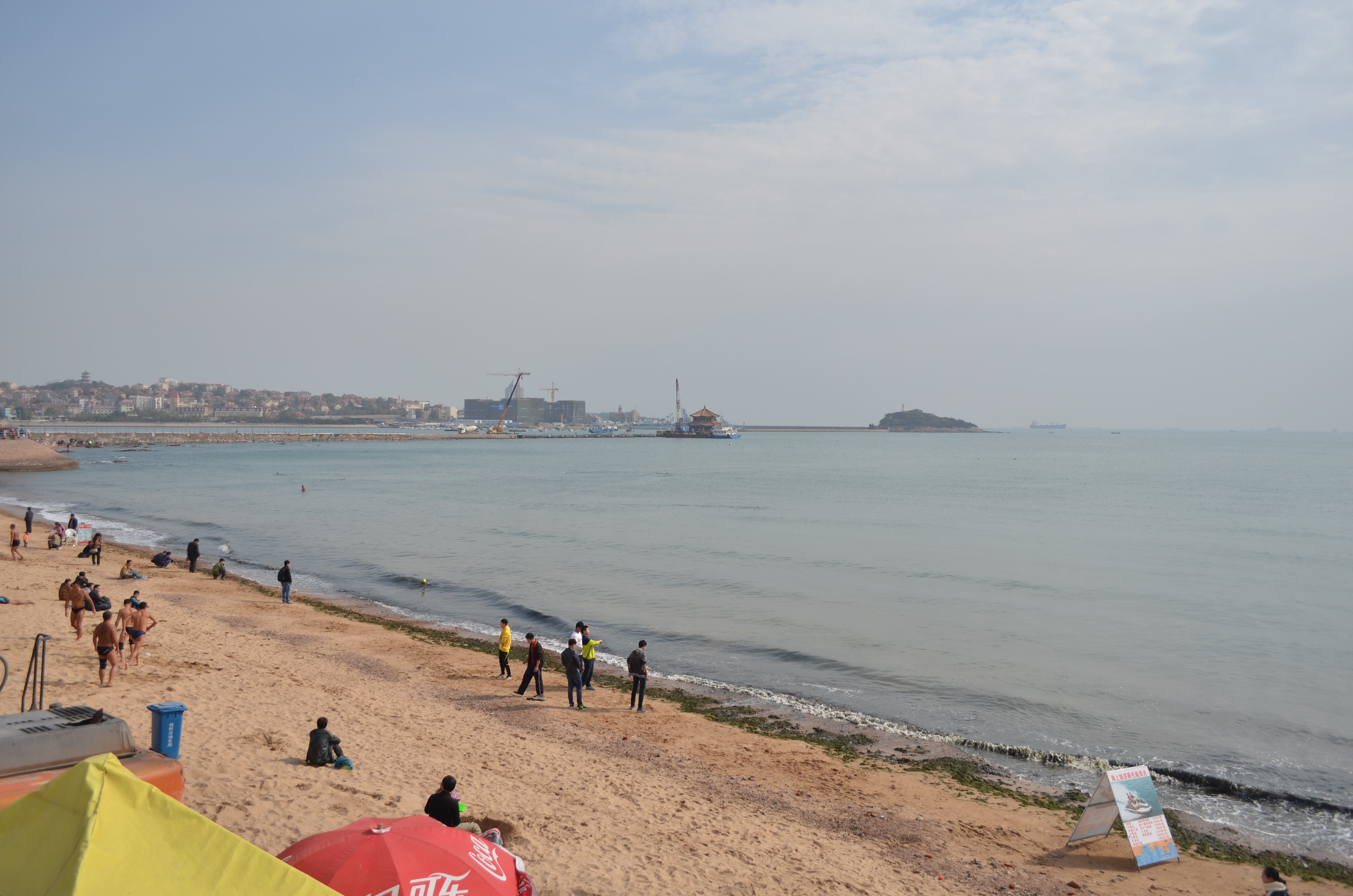
The Historical Significance of Qingdao
Qingdao (historically known as Jiaozhou) began opening to the world after the signing of the Jiaozhou Bay Concession Treaty (also called the Sino-German Jiaozhou Lease Treaty) on March 6, 1898.
This historical turning point not only launched Qingdao’s development as a modern treaty port but also made it a frontier of East-West cultural exchange. The solemn elegance of German-style architecture coexists harmoniously with the earthy simplicity of local folk traditions, giving the city its distinctive character. Over the past century, the port has handled both trade and ideas, while railways have extended prosperity and brought about change. From a small coastal town, Qingdao grew into a significant economic and cultural center. To this day, its spirit of openness and inclusivity remains vivid.
My First Visit to Qingdao
My first trip to Qingdao was in October 2013, right after I graduated from university. I’d long wanted to visit, and since my uncle had been working there, I seized the chance. Flights from Shanghai to Qingdao were also quite affordable at the time.
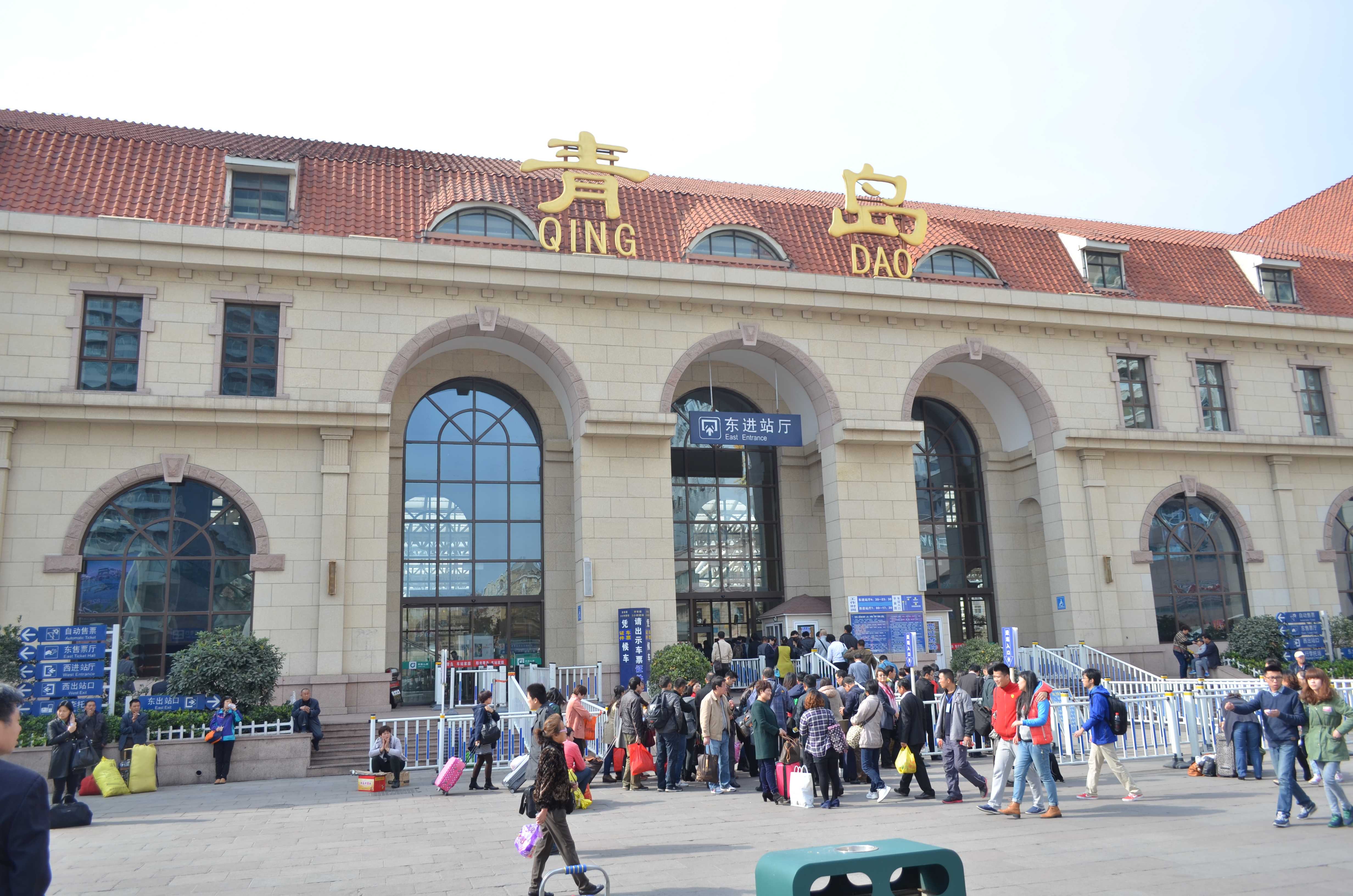
I’d heard the Qingdao Railway Station was beautiful, so it was my first stop. It lived up to the hype—it was the first Western-style train station I’d ever seen. At the time, I was unaware of the architectural nuances; it was only later, after seeing the French-style stations on the Yunnan-Vietnam Railway, that I recognized the German influence.
Famous Sights: Zhanqiao Pier and May 4 Square
After the station, I headed to Zhanqiao Pier. A calm sea breeze brushed against my skin, refreshing and comfortable.
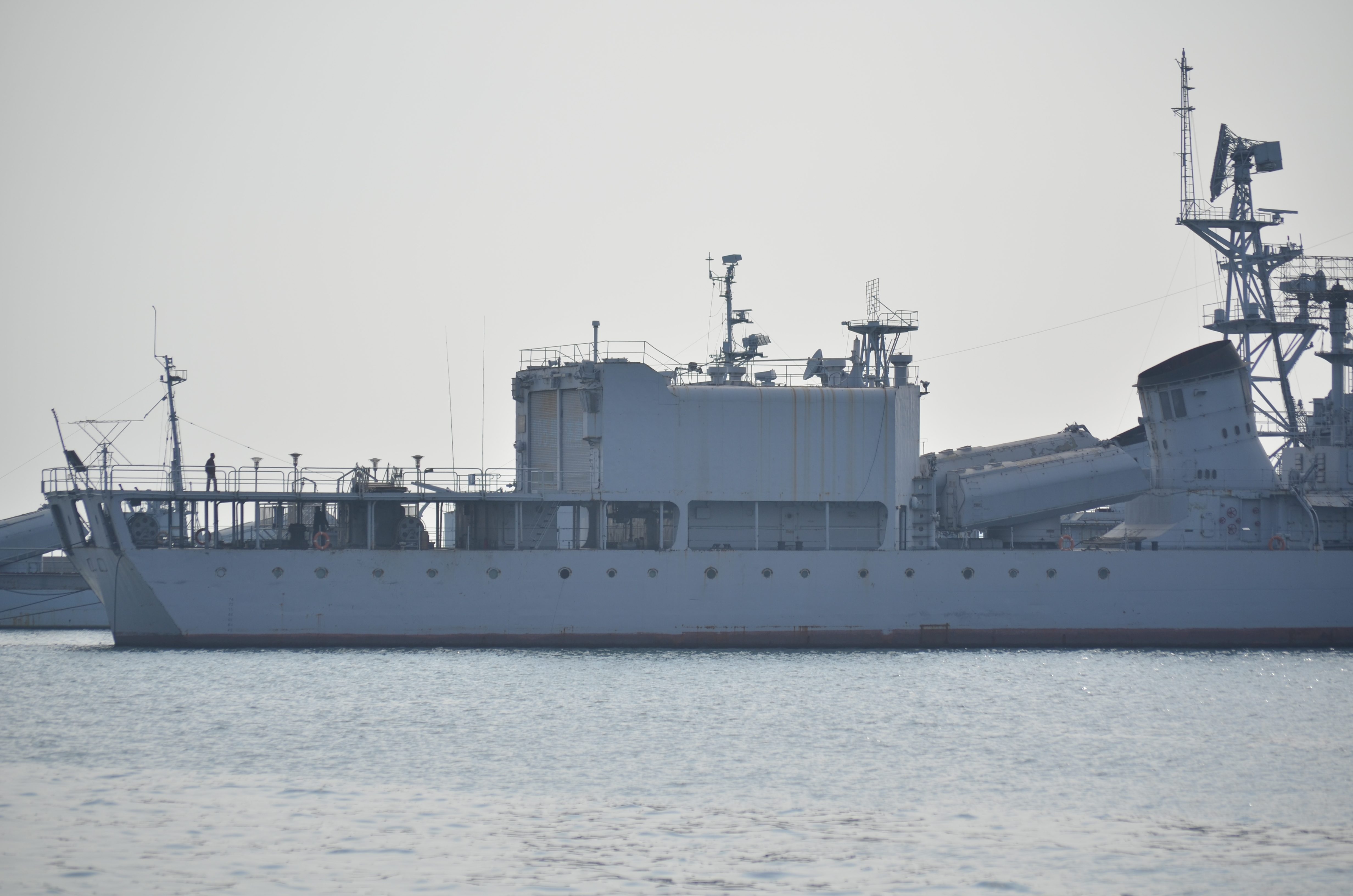
Near the pier, several warships were docked along the shore. It was my first time seeing so many up close—they looked impressive and powerful.
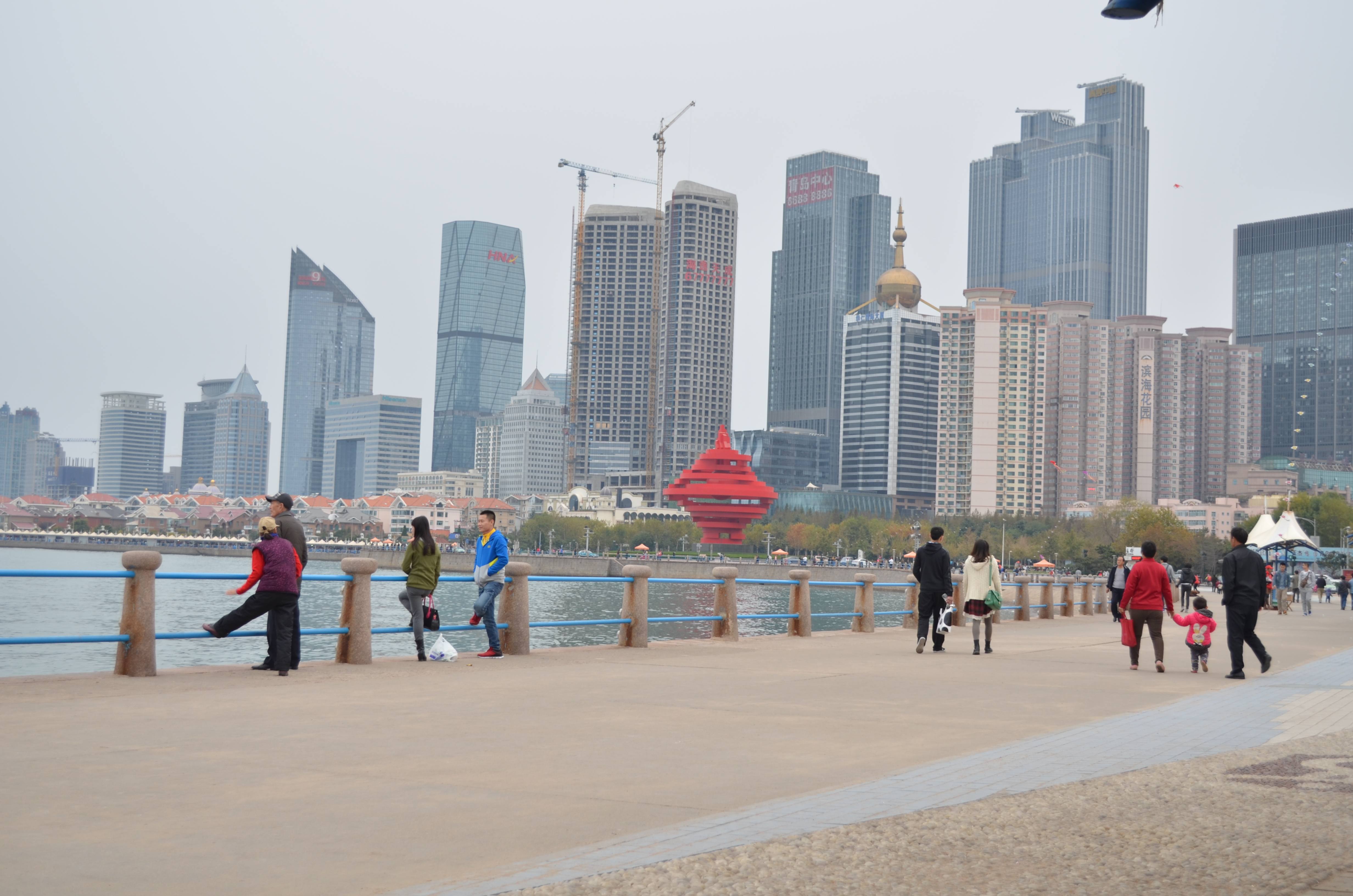
Next came May 4 Square, filled with laughter and the vibrant energy of a modern city. At its center, the “May Wind” sculpture—a spiraling red wave—speaks of the city’s passionate history and forward momentum. Along the seaside promenade, skyscrapers with glass facades reflected the sunset, pulsing with the rhythm of the times. I strolled by the water, and in the distance, flags at the Olympic Sailing Center fluttered in the wind, as if still recounting the glory of the 2008 Olympic sailing events. As night fell and lights came on, Qingdao revealed a romantic blend of modernity and charm—complex to leave behind.
Laoshan Mountain: A Refreshing Experience
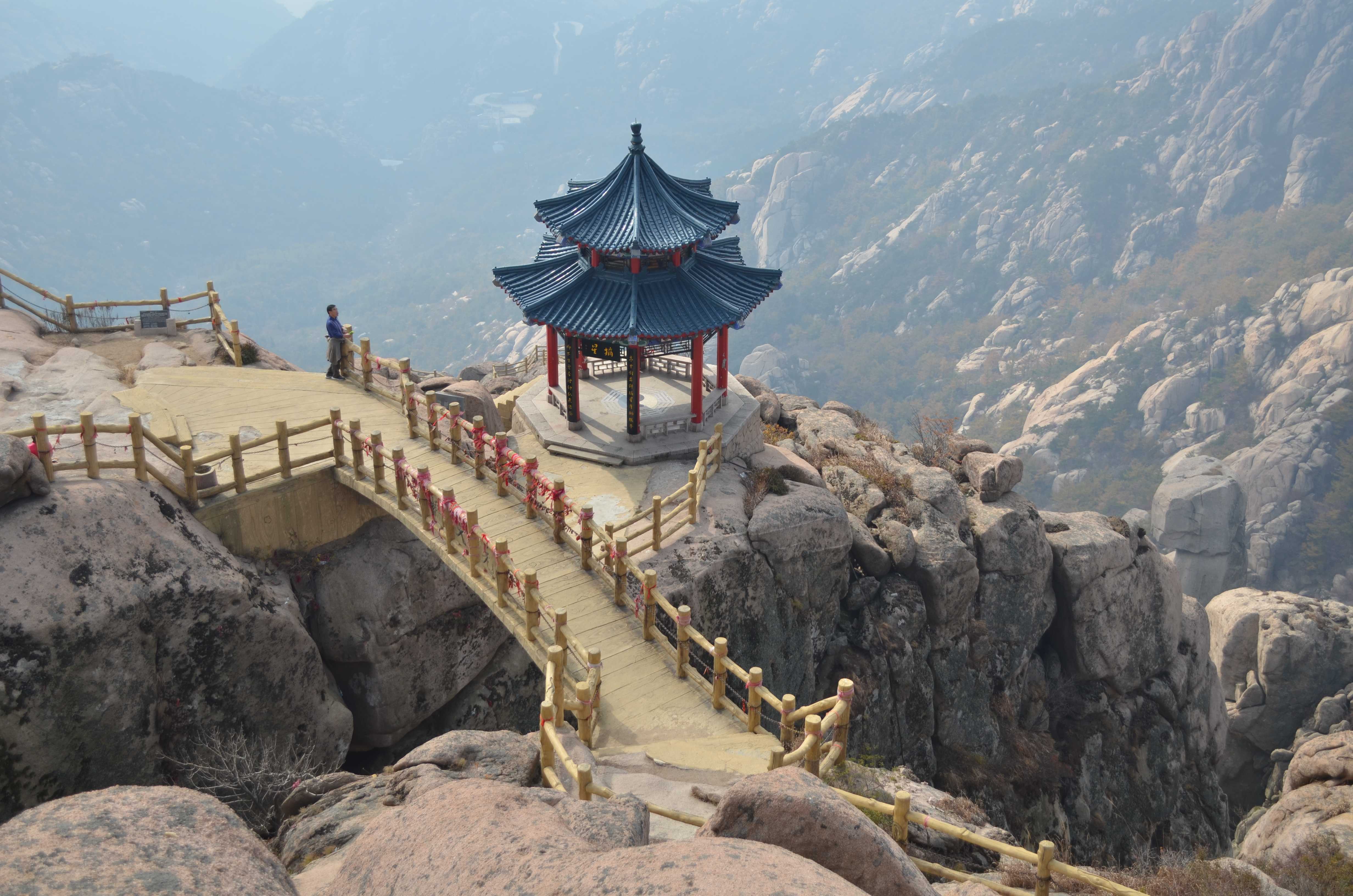
The next day, I went to Laoshan Mountain. Early morning mist lingered among the winding stone paths and ancient pines, the air fresh with the mingled scents of grass, trees, and sea breeze.
Laoshan’s granite structure gives its rocks sharp edges, sculpted over the years by sea winds into striking, almost artistic forms. Why do I enjoy discussing geology? Because geography and culture are deeply intertwined. For example, Why was Qingdao, not Jinan, forced to open as a treaty port? Because Jinan is inland, while Qingdao sits on the coast, and this was the age of sea power. That’s geography in action. The more you know about it while traveling, the deeper your memories become.
Back to the mountain: Laoshan isn’t tall, and climbing it isn’t tiring. But for someone from the inland like me, hiking a mountain by the sea is a uniquely refreshing experience.
The Influence of Western Architecture in Qingdao
Though Qingdao’s opening was forced, that very coercion placed it at the forefront of its era. It’s also one of the few Chinese cities where Western-style architecture remains prominent in the city center.
Culture knows no borders, and architecture is part of culture. Even if originally foreign, these buildings have, over time, become an integral part of the city’s fabric, weaving themselves into Qingdao’s unique identity.
Qingdao: A Livable City
Qingdao is a highly livable city. I find it quite similar to Zhuhai—both are capable, yet relatively low-key.
When visiting Qingdao, taking an evening walk by the sea is a great idea, especially in summer—the sea breeze feels wonderfully soothing.
Qingdao is a thoroughly modern city. Hosting the Olympic sailing events significantly boosted its international profile. Its infrastructure is excellent, transportation is convenient, and coastal scenery seamlessly blends with urban functionality.
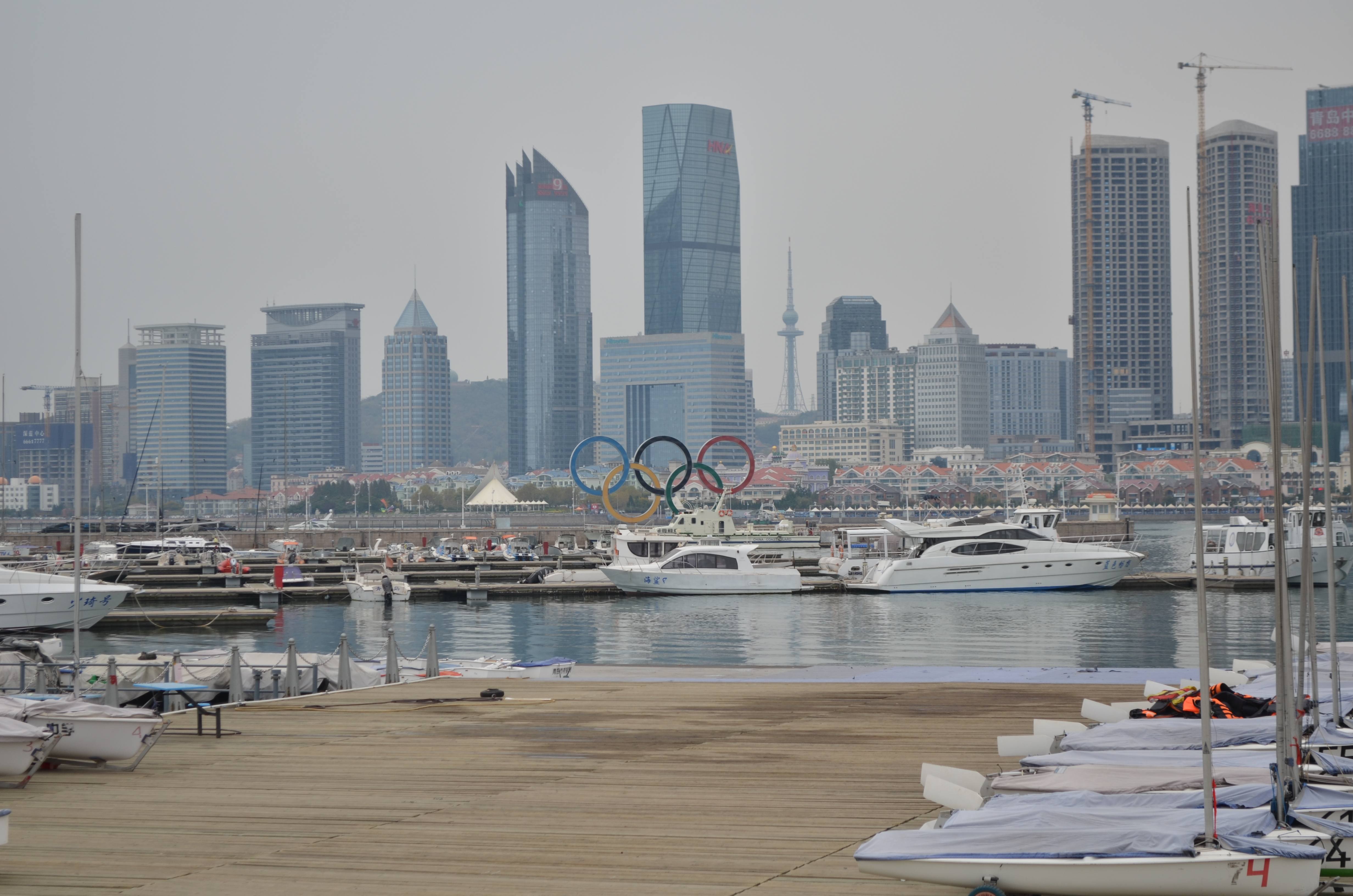
Thus, Qingdao is a city where classical and modern elements coexist—and a truly livable one. I hope to return someday.
Conclusion: A Memorable Trip
I also wish everyone who visits Qingdao a joyful and memorable trip!
Comments (0)
Frequently Asked Questions About Qingdao
Real questions from travelers planning their trip
Q1: What are the biggest mistakes Western visitors make in Qingdao, and how can I avoid them?
Mistake #1: Only visiting Zhan Qiao and missing Badaguan scenic area. #2: Eating at overpriced seafood restaurants near tourist sites (go to local neighborhoods). #3: Not visiting Tsingtao Beer Museum (it's actually fun!). #4: Skipping Laoshan Mountain (one of China's most beautiful coastal mountains). #5: Visiting in winter (too cold for beach activities). #6: Not trying fresh draft beer at local breweries.
Q2: As a foreigner, how long can I stay in China visa-free? Where can I check this information?
Visa-free duration varies by nationality (typically 15-30 days for eligible countries). Check official sources: a) Ministry of Foreign Affairs of the People's Republic of China - Consular Service website, b) National Immigration Administration of China official platform, c) Chinese Embassy/Consulate in your home country. Requirements and eligible countries change frequently, so always verify before booking flights.
Q3: Do I need travel insurance for China, and what should it cover?
Yes, highly recommended! Your insurance should cover: medical emergencies (hospitals may require upfront payment), medical evacuation, trip cancellation/interruption, lost luggage, and personal liability. Ensure it covers adventure activities if you plan hiking (Great Wall) or skiing. Some policies exclude pre-existing conditions. Recommended providers: World Nomads, SafetyWing, or Allianz. Cost: $30-80 for a week. Keep policy documents offline as you may not access cloud storage without VPN.
Q4: Is Didi (China's Uber) safe and easy for foreigners?
Yes! Didi is safe, affordable, and foreigner-friendly. Download the app before arrival and link an international credit card or Alipay/WeChat Pay. The app has English interface. Drivers may not speak English, but the app translates your destination. Safety features: GPS tracking, driver ratings, emergency button. Cost: 50-70% cheaper than taxis. Pro tip: Screenshot your destination in Chinese to show drivers if needed. Avoid unlicensed 'black cabs' at airports.
Q5: Do all hotels accept foreigners, or are some 'Chinese only'?
Not all hotels can accept foreigners - they need a special license to register foreign passports. International chains (Hilton, Marriott, Hyatt) and most 3-star+ hotels in major cities are licensed. Budget hostels and small guesthouses may not be. Always confirm when booking: look for 'accepts foreign guests' or ask directly. Bring your passport - hotels must register you with local police within 24 hours (standard procedure, not concerning).
Latest Travel Tips
Explore More Destinations
Discover other amazing cities in China with our comprehensive travel guides