
Luoyang Travel Guide: Your Complete Guide to China's Ancient Capital of Thirteen Dynasties
Everything you need to know: Longmen Grottoes tickets, Shaolin Temple kung fu shows, White Horse Temple access, water banquet restaurants, scam prevention, and hidden Buddhist sites
Discover Longmen Grottoes, Shaolin Temple, White Horse Temple, and peony festival. In-depth guide for Western visitors.
Why Luoyang? Quick Overview
Everything Western visitors need to know before booking
Ancient Capital of 13 Dynasties
1,500 years of history - Longmen Grottoes, Shaolin Temple, and birthplace of Chinese Buddhism
Longmen Grottoes, White Horse Temple, and Shaolin Temple
Water Banquet & Soup Culture
From 24-course water banquet to beef soup, Luoyang offers unique Henan cuisine
Fine dining, street food, everything available
Budget-Friendly ($35-110/day)
Affordable city: 4-star hotels at $50/night, bus rides at $0.30
Deep version guide includes WeChat/Alipay payment setup guide
Beyond Tourist Traps
Deep version guide includes practical anti-scam tips to avoid being cheated
Common local scams, overcharging, and more
🏔️ Planning a Road Trip in Western China?
Get our FREE high-altitude driving safety guide before you go!
High-Altitude Driving Essentials
Get 5 Must-Know Tips for Safe Western China Roads (FREE PDF)
Top 5 Must-Visit Attractions in Luoyang
With prices, transport directions, and insider tips to avoid crowds
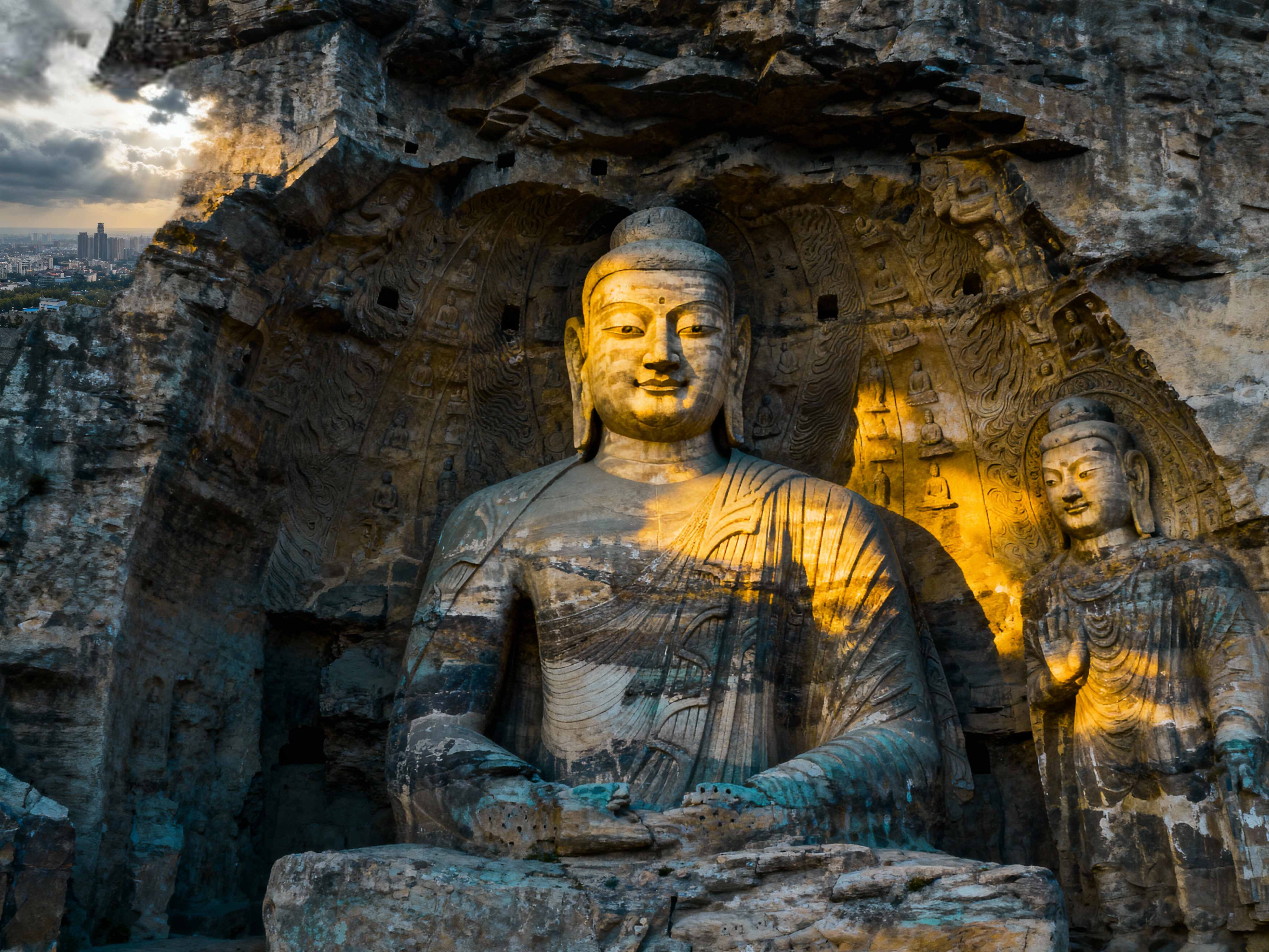
1. Longmen Grottoes
$25 entranceUNESCO World Heritage Site. 100,000 Buddhist statues carved into limestone cliffs (5th-8th century).
🚇 How to get there: Bus 81/53 from city center (30 min) or taxi
💡 Pro tip: Go early (8am) for soft light and fewer crowds. West Hill is main site. Fengxian Temple has giant Buddha. Audio guide available.
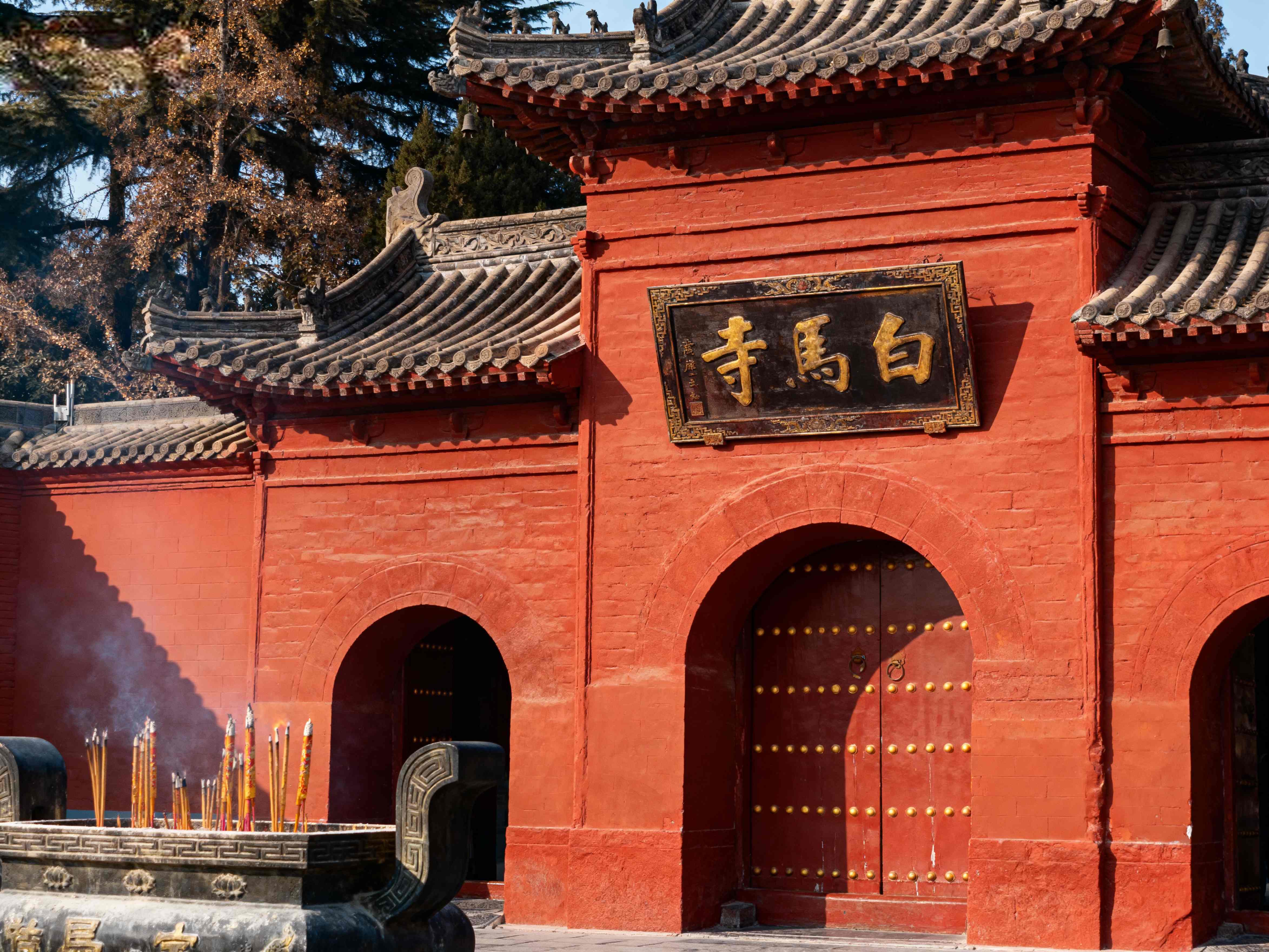
2. White Horse Temple
$7 entranceFirst Buddhist temple in China (68 AD). Birthplace of Chinese Buddhism.
🚇 How to get there: Bus 56/58 from city center (30 min) or taxi
💡 Pro tip: Very peaceful. See the original white horses (statues). Indian-style temple in back. Free incense. Dress modestly.
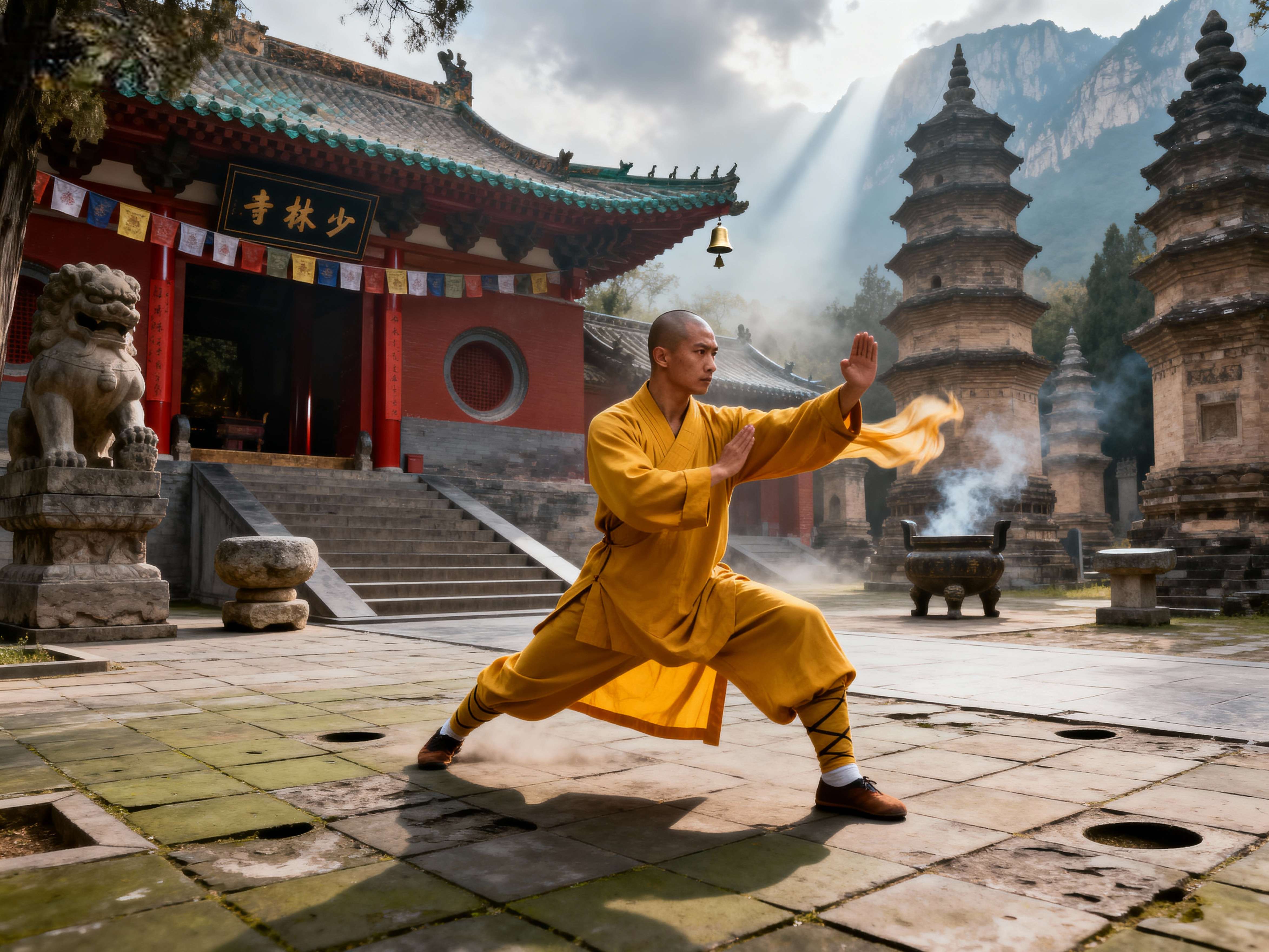
3. Shaolin Temple
$15 entrance + $5 shuttleBirthplace of Kung Fu and Zen Buddhism. Kung Fu shows and Pagoda Forest.
🚇 How to get there: Bus from Luoyang Bus Station to Dengfeng (2 hours), then local bus
💡 Pro tip: Kung Fu show at 10am, 11:30am, 2pm, 3:30pm. Climb Songshan Mountain for views. Pagoda Forest is stunning. Very touristy.
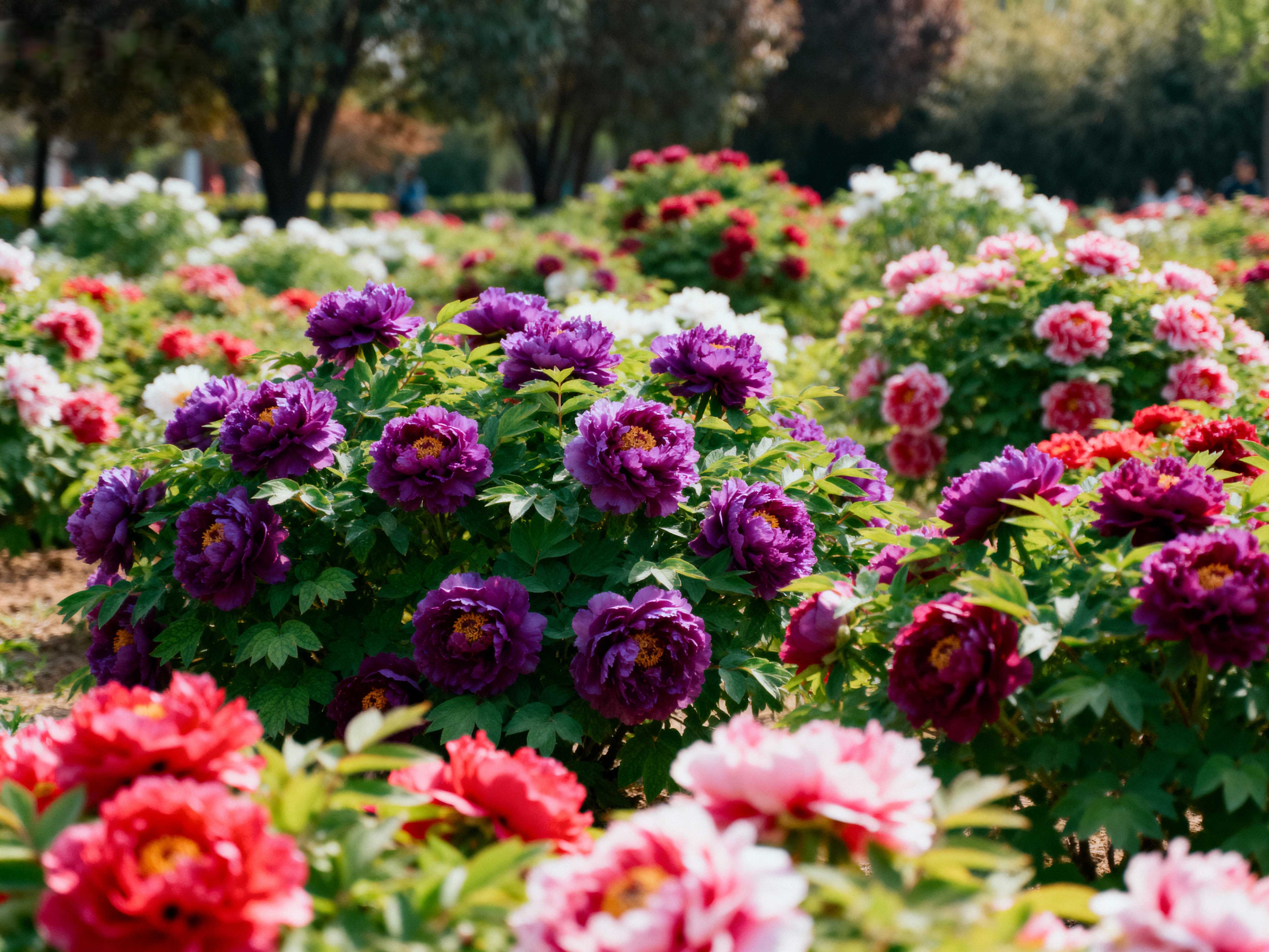
4. Luoyang Peony Garden
$10 entrance (only during Peony Festival)Famous for peony flowers (April-May). 1,000+ varieties. Peony is China's national flower.
🚇 How to get there: Bus 51/53/81 to Wangcheng Park
💡 Pro tip: Only visit in April-May for Peony Festival. Peak bloom mid-April. Very crowded during festival. Book hotels early.
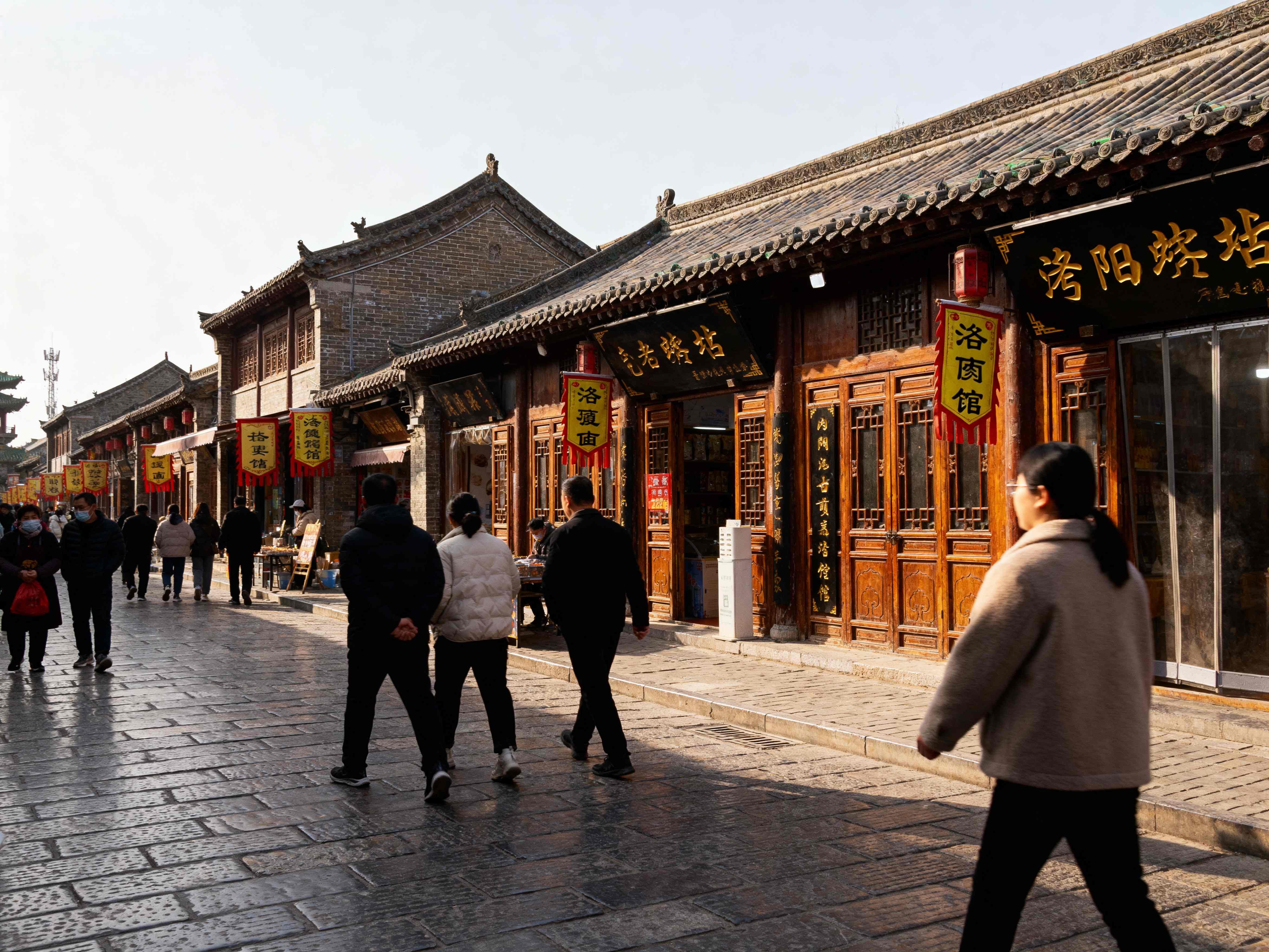
5. Luoyang Old Town
FreeHistoric district with ancient architecture, night market, and traditional culture.
🚇 How to get there: Bus to Lijing Gate or walk from city center
💡 Pro tip: Best at night for lights and food stalls. Try Luoyang water banquet. Lijing Gate is iconic photo spot.
Practical Travel Tips for Luoyang
Answers to the most common questions from Western travelers
Is WeChat Pay/Alipay mandatory? Can I use credit cards?
Most restaurants and shops prefer mobile payments, but tourist sites accept cash (CNY) and some take Visa/Mastercard. Our guide includes step-by-step WeChat Pay setup for foreigners (requires Chinese bank account OR use Tour Pass feature for tourists). ATMs are everywhere - Bank of China has best rates.
Is it safe for foreigners to travel alone in Luoyang?
Yes! Luoyang is safe and used to tourists (major historical destination). Main concerns: aggressive tour sellers at train station (especially for Shaolin Temple tours - book online), pickpockets at tourist sites, and taxi drivers overcharging (use Didi instead). Our deep version guide lists common precautions and anti-scam tips.
Where to stay? Hotels with English-speaking staff?
Old Town area (historic, central) or near Luoyang Railway Station (convenient). Recommended: Peony Hotel ($60/night, local chain), Hanting Hotel ($25, budget), or Airbnb in Old Town ($35). Major chains have English staff.
How to get from airport to city?
Airport bus to city center: $5, 1 hour. Didi costs $20-30. Luoyang has 2 train stations - Luoyang Station (city center) and Luoyang Longmen Station (high-speed trains). Most tourists arrive by high-speed train from Xi'an (1.5 hours) or Zhengzhou (40 min).
Can I eat street food safely? Vegetarian options?
Yes! Try Luoyang water banquet (24-course soup-based meal), beef soup with flatbread, and bujia (stuffed pancake) at Old Town. Everything is safe! Vegetarian? Buddhist restaurants near White Horse Temple serve veggie dishes. Limited Western food options.
Common scams to avoid?
Shaolin Temple tour scams are most common - fake tour guides at train station offering 'cheap tours' (take you to fake temples or shopping stops). Book tours online instead. Also watch for: overpriced souvenirs at Longmen Grottoes, taxi drivers refusing to use meter, and 'free' incense at temples (then ask for donations). Our deep version PDF guide includes detailed descriptions of all common scams and how to avoid them.
My Personal Experience in Luoyang
Luoyang: Where Ancient Glory Meets Modern Spirit
Luoyang is a fascinating city. Before I visited, I didn’t think much of it—but once I arrived, I finally realized just how extraordinary it is.
I’ve only been to Luoyang once, but the memory remains vivid because the trip was so recent—in October 2025.
When I first graduated from university, I had a dream: to spend a week traveling through Luoyang, Zhengzhou, and Kaifeng. For many reasons, that plan never came true—until this year. In October 2025, I finally set foot on this ancient land.
Day 1: The Spirit of Shaolin
I first spent two days in Zhengzhou, then one day in Kaifeng, before heading to Luoyang for about two days—three if you count my visit to the Shaolin Temple.
Technically, the Shaolin Temple belongs to Zhengzhou, but I included it in my Luoyang itinerary for a reason. The two cities are quite close—only about 60 to 70 kilometers apart—and the high-speed train between them takes just half an hour. Although located in Dengfeng, between Zhengzhou and Luoyang, many travelers visit it as part of a Luoyang trip. I did the same, starting my journey with Shaolin to make the most of my time and energy.
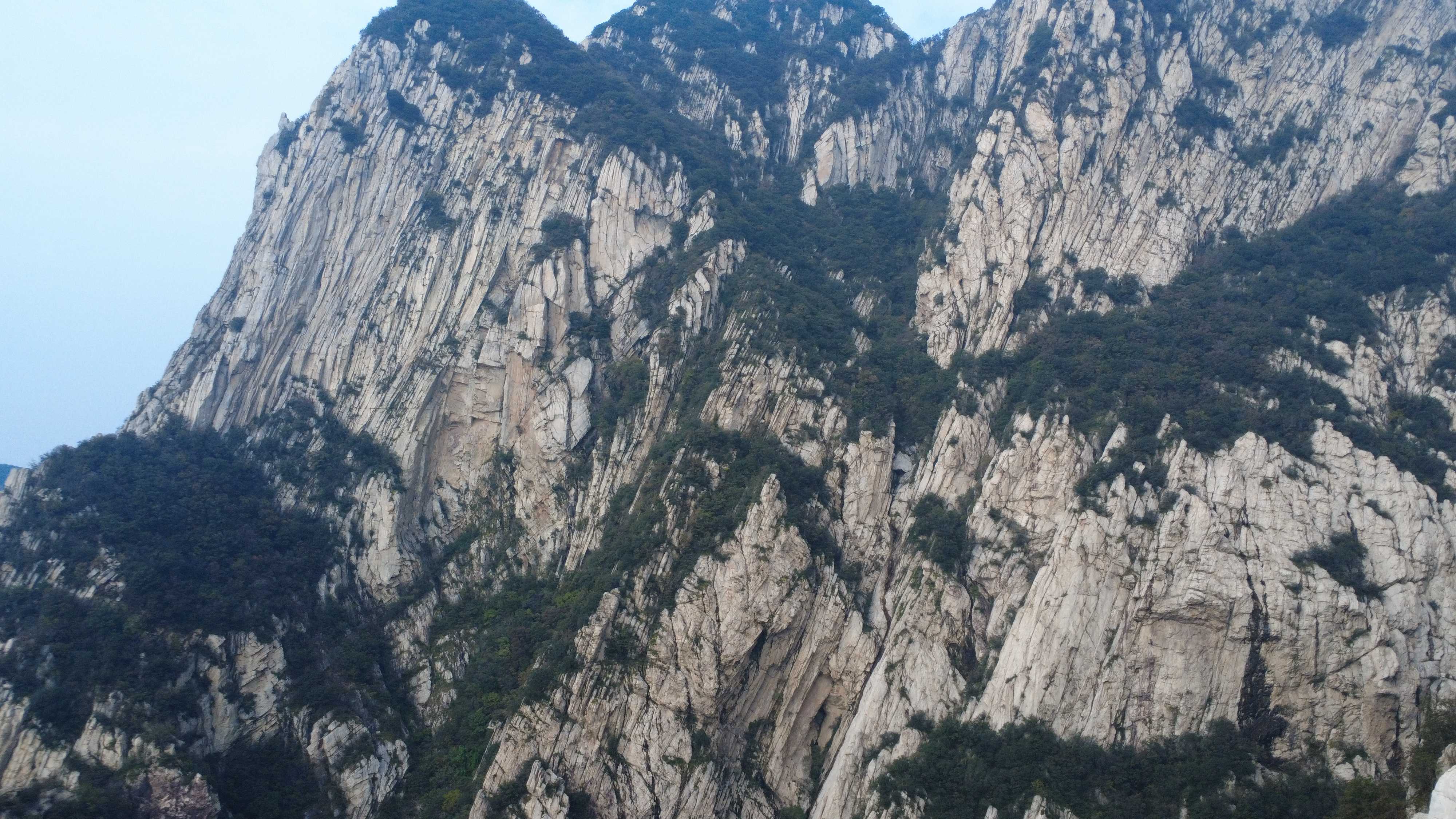
We entered Mount Shaoshi from the Sanhuangzhai route, hiking up to the peak on foot. After a short descent, we took a cable car down and continued to the temple itself.
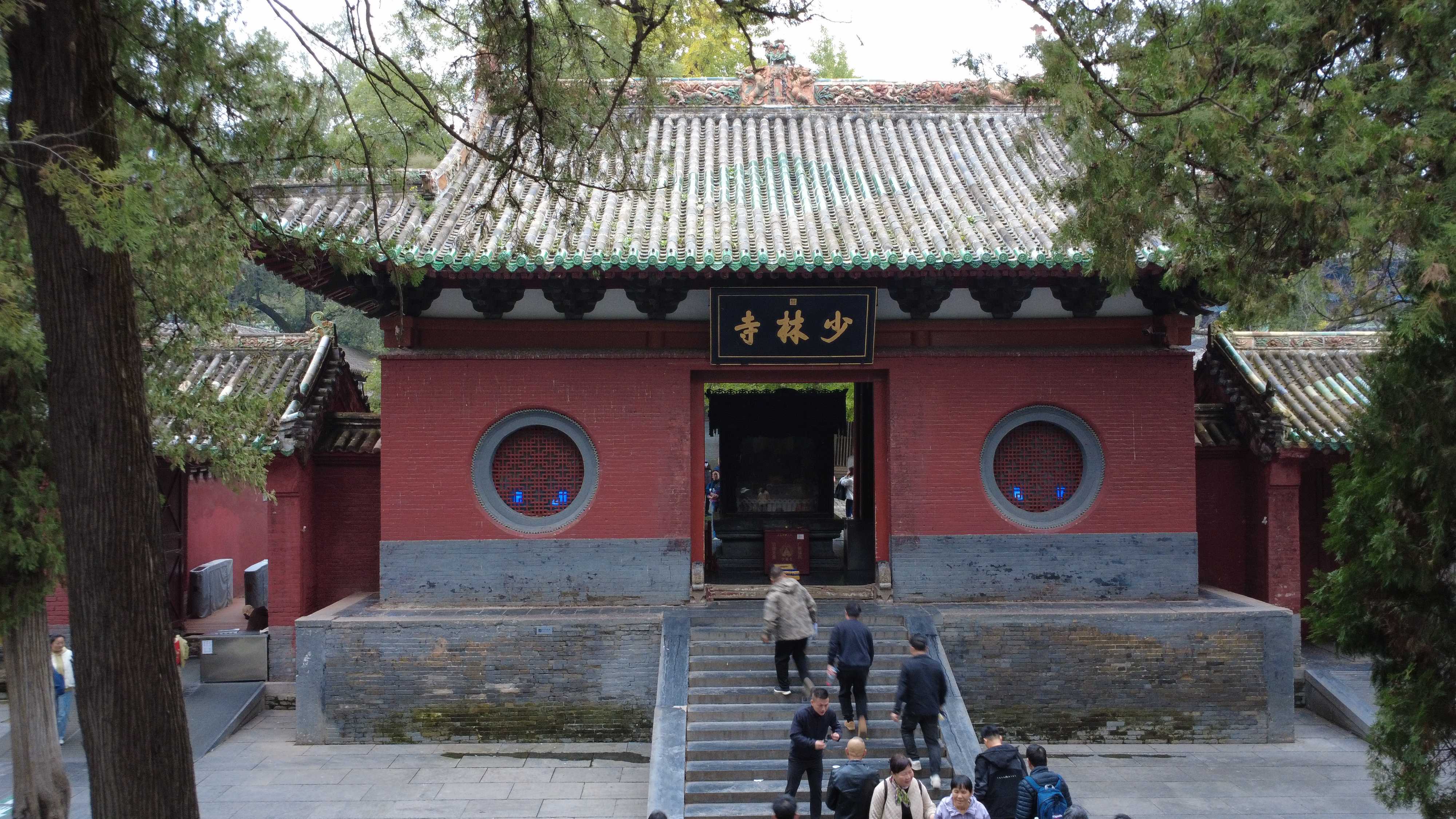
Shaolin Temple is world-famous—and the moment we arrived, I understood why. Tall trees lined the entrance, and the crowd included many foreign visitors. I’ve been traveling for over sixteen years, yet few places I’ve been to attract that many international tourists. It shows just how deeply Shaolin and Chinese martial arts have influenced the world.
Day 2: Art and Faith at Longmen
After touring the temple, we drove to Luoyang and spent the night there. The next morning, our first destination was the Longmen Grottoes.
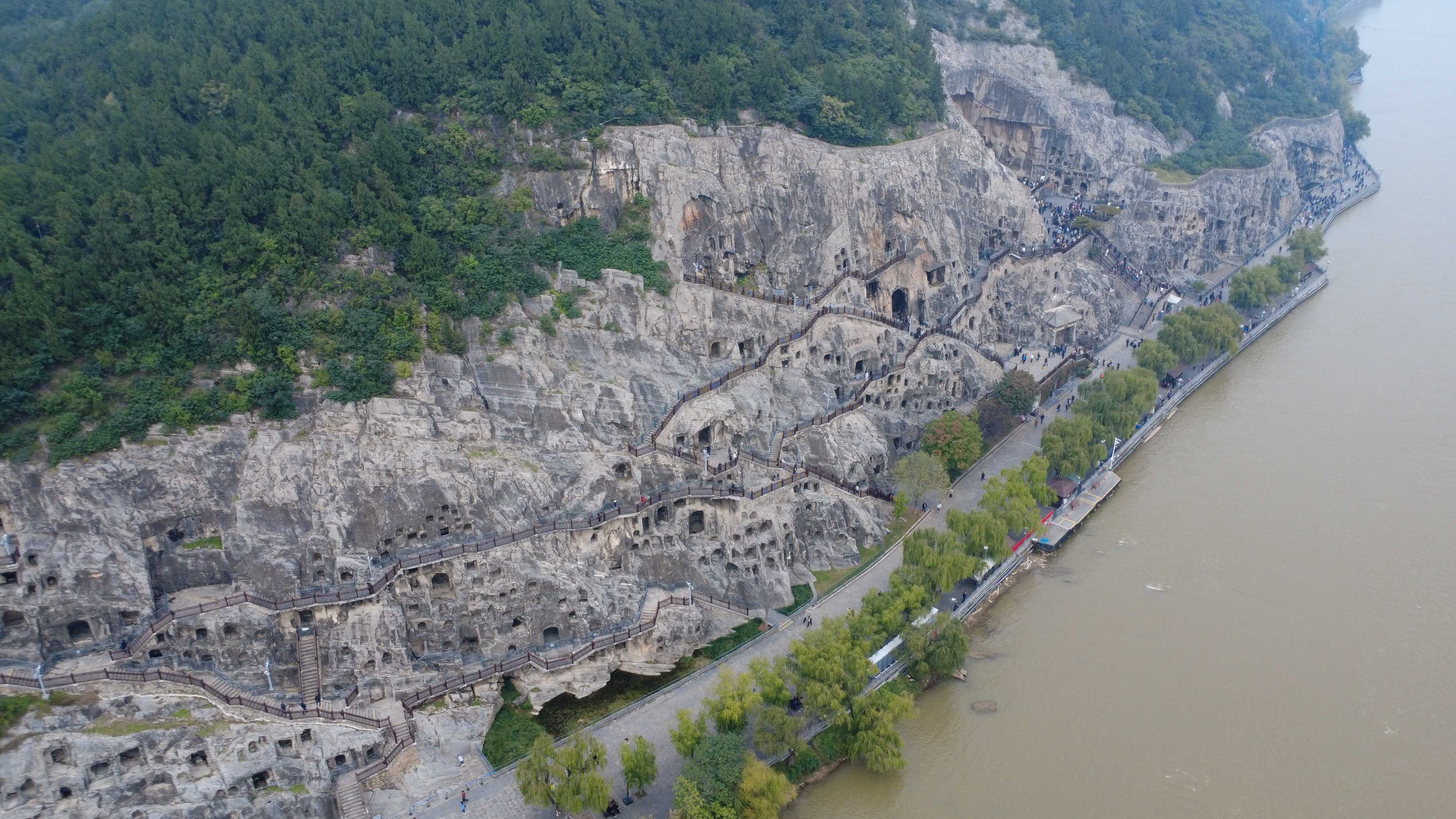
The sheer scale and beauty of the grottoes exceeded my expectations. Thousands of Buddha statues are carved into the cliffs on both sides of the Yi River. The craftsmanship is breathtaking—so intricate, so vast.
The statue of Vairocana Buddha, in particular, radiates serenity and compassion, glowing majestically under the evening sun. Walking along the wooden walkways, we paused at every carving, feeling as though we had stepped back a thousand years into the spiritual grandeur of the Tang dynasty.
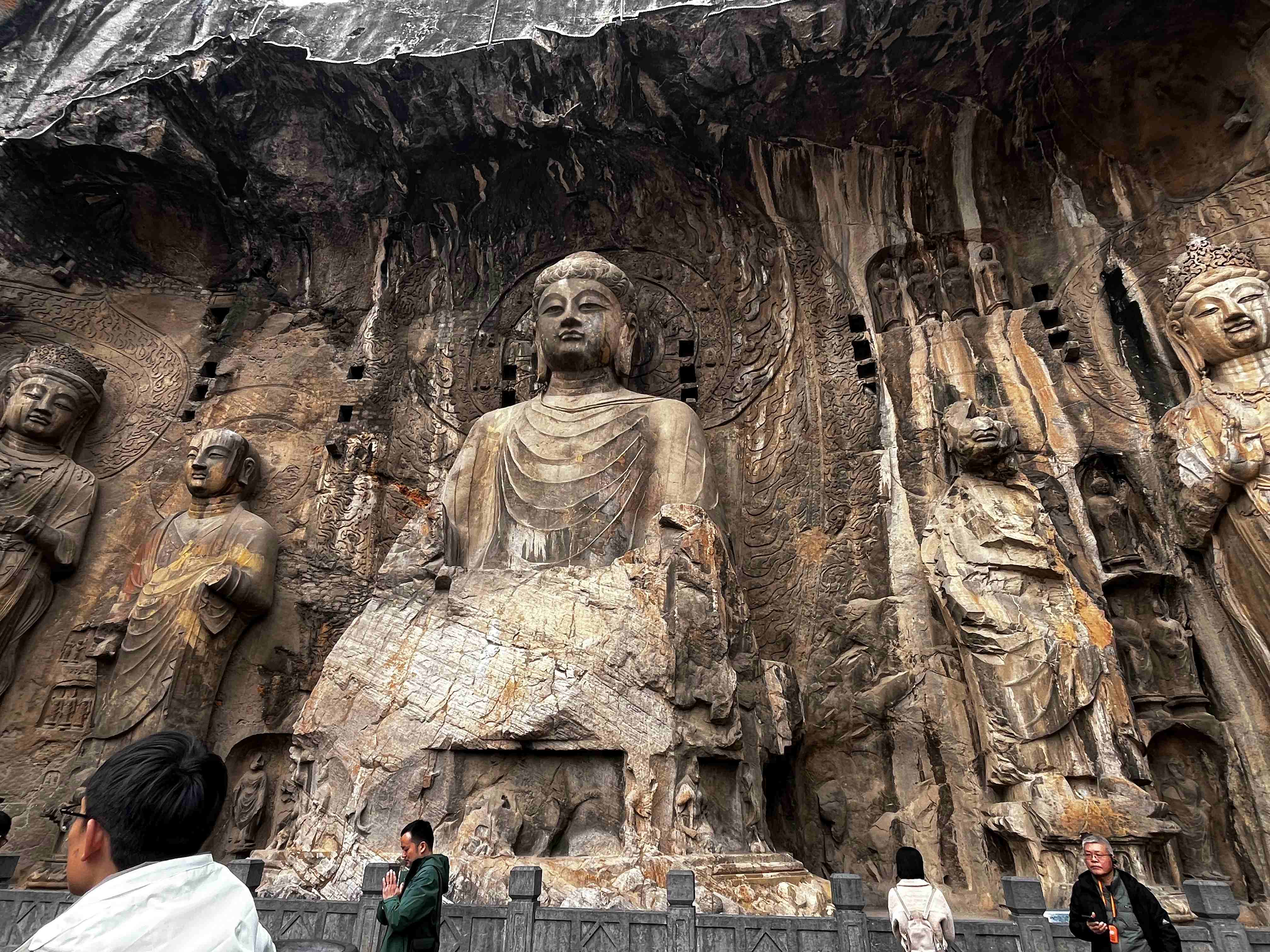
The Longmen Grottoes are the largest among China’s four great cave complexes, although many sculptures have been damaged over time. I couldn’t help but wish I could travel back in time to witness their creation in full glory. Even with centuries of erosion, every chisel mark still carries the devotion and genius of the ancient artisans.
After visiting the grottoes, we drove toward the White Horse Temple, planning to see it after lunch. However, when we reached the area, we discovered there weren’t many places to eat nearby. So we returned to our hotel in the city, had lunch, rested for a while, and then headed back to the temple.
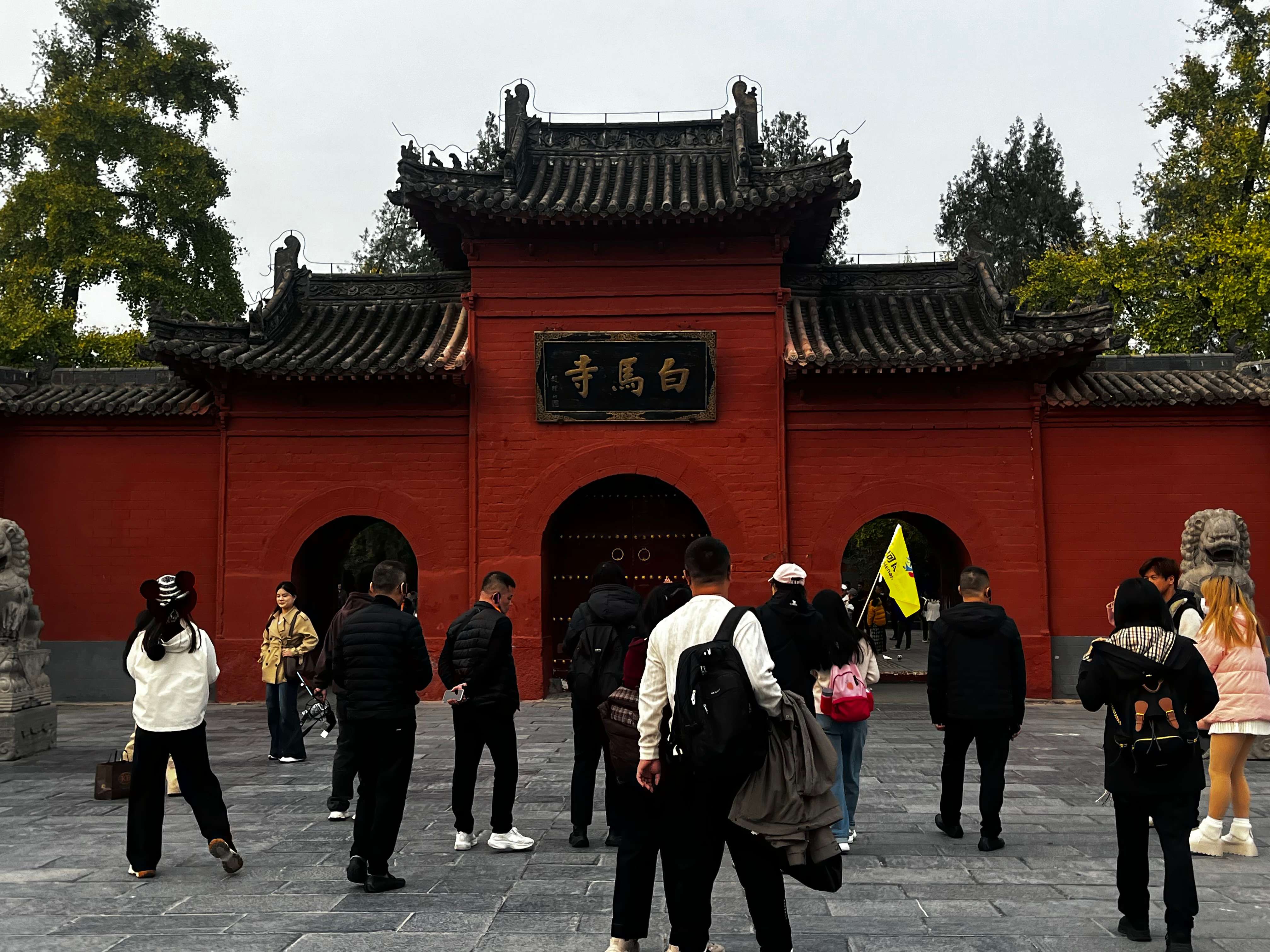
On the way, our taxi driver told us that today, Luoyang’s main historic sites are primarily the Longmen Grottoes and the White Horse Temple. When we arrived, I saw that much of the original complex no longer survives, yet it remains absolutely worth visiting.
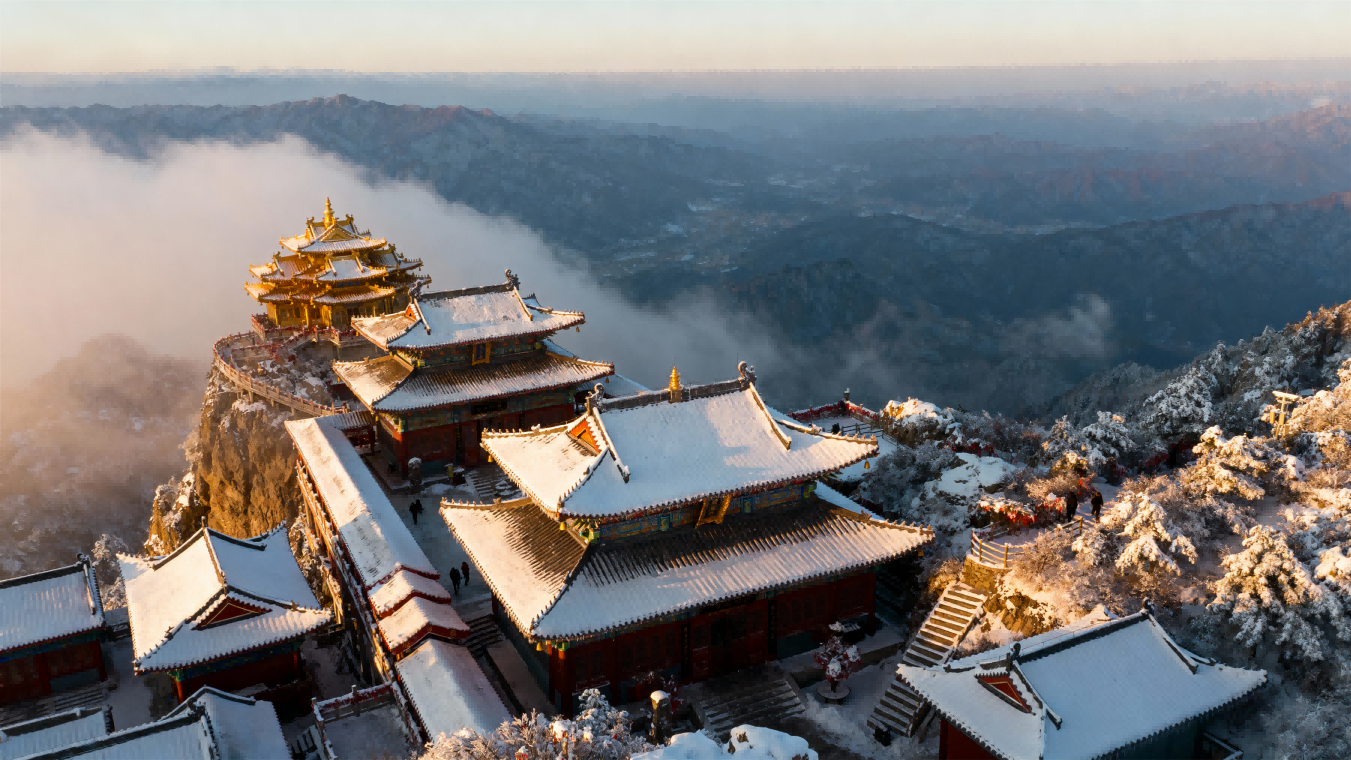
Another well-known attraction near Luoyang is Mount Laojun, though it’s quite far from the city center. Unfortunately, we didn’t have enough time to go. From photos shared by other travelers, the sea of clouds there looks breathtaking. I decided to skip it this time, as I’ve already experienced similar mountain scenery elsewhere.
Reflections on Modern Luoyang
Now, a few thoughts on Luoyang’s economy and geography.
To my surprise, the city has 15 listed companies. My hometown, a prefecture-level city, has only four or five. These Luoyang companies span industries such as equipment manufacturing, new materials, and nonferrous metals—showcasing the transformation of this historic industrial base.
Luoyang was once the capital of the Tang Dynasty, but today it is also quietly emerging as a hub of modern industry. It currently ranks second in GDP among cities in Henan Province.
Geographically, Luoyang sits in the heart of central China, along the Yellow River, a key transportation corridor since ancient times. On a recent train ride from Hangzhou to Zhengzhou, I noticed the entire route ran across open plains—no tunnels at all, meaning the terrain offered little natural defense.
By contrast, Luoyang is encircled by mountains on three sides—Xiao, Xiong’er, Mang, and Funiu—forming a natural fortress. The Yi and Luo Rivers flow through it, giving the city both rich agricultural resources and strategic advantages. This unique geography explains why it could serve as the capital of thirteen ancient dynasties.

Looking Ahead
I used to think Luoyang was just an ordinary city in Henan. Now I deeply understand its rare blend of historical grandeur and modern vitality.
Luoyang is a city that invites deeper exploration. I’ll definitely return—there’s still Mount Laojun to visit, and many museums in the city center I haven’t yet seen.
There’s so much more waiting for me in Luoyang.
Comments (0)
Frequently Asked Questions About Luoyang
Real questions from travelers planning their trip
Q1: What are the biggest mistakes Western visitors make in Luoyang, and how can I avoid them?
Mistake #1: Only visiting Longmen Grottoes and missing White Horse Temple. #2: Booking overpriced Shaolin Temple tours at train station (book online). #3: Not trying Luoyang water banquet (unique 24-course soup meal). #4: Visiting outside of April (miss the famous Peony Festival). #5: Skipping Luoyang Old Town at night. #6: Not combining Luoyang with Xi'an (only 1.5 hours by high-speed train).
Q2: As a foreigner, how long can I stay in China visa-free? Where can I check this information?
Visa-free duration varies by nationality (typically 15-30 days for eligible countries). Check official sources: a) Ministry of Foreign Affairs of the People's Republic of China - Consular Service website, b) National Immigration Administration of China official platform, c) Chinese Embassy/Consulate in your home country. Requirements and eligible countries change frequently, so always verify before booking flights.
Q3: Do I need travel insurance for China, and what should it cover?
Yes, highly recommended! Your insurance should cover: medical emergencies (hospitals may require upfront payment), medical evacuation, trip cancellation/interruption, lost luggage, and personal liability. Ensure it covers adventure activities if you plan hiking (Great Wall) or skiing. Some policies exclude pre-existing conditions. Recommended providers: World Nomads, SafetyWing, or Allianz. Cost: $30-80 for a week. Keep policy documents offline as you may not access cloud storage without VPN.
Q4: Is Didi (China's Uber) safe and easy for foreigners?
Yes! Didi is safe, affordable, and foreigner-friendly. Download the app before arrival and link an international credit card or Alipay/WeChat Pay. The app has English interface. Drivers may not speak English, but the app translates your destination. Safety features: GPS tracking, driver ratings, emergency button. Cost: 50-70% cheaper than taxis. Pro tip: Screenshot your destination in Chinese to show drivers if needed. Avoid unlicensed 'black cabs' at airports.
Q5: Do all hotels accept foreigners, or are some 'Chinese only'?
Not all hotels can accept foreigners - they need a special license to register foreign passports. International chains (Hilton, Marriott, Hyatt) and most 3-star+ hotels in major cities are licensed. Budget hostels and small guesthouses may not be. Always confirm when booking: look for 'accepts foreign guests' or ask directly. Bring your passport - hotels must register you with local police within 24 hours (standard procedure, not concerning).
Latest Travel Tips
Explore More Destinations
Discover other amazing cities in China with our comprehensive travel guides