
Jinzhong (Pingyao) Travel Guide: Your Complete Guide to China's Best-Preserved Ancient City
Everything you need to know: Ancient city wall walk, Wang Family Compound tickets, courtyard hotel stays, Pingyao beef shops, scam prevention, and hidden Ming Dynasty architecture
Discover UNESCO ancient walls, Ming-Qing streets, and Shanxi merchant culture. In-depth guide for Western visitors.
Why Jinzhong (Pingyao)? Quick Overview
Everything Western visitors need to know before booking
UNESCO Ancient City
2,700-year-old walled city - best-preserved ancient city in China, Ming-Qing architecture
Pingyao Ancient City, Wang Family Compound, and Qiao Family Compound
Pingyao Beef & Shanxi Noodles
From sliced beef to knife-cut noodles, Pingyao offers unique Shanxi cuisine
Fine dining, street food, everything available
Budget-Friendly ($35-100/day)
Affordable destination: courtyard hotels at $40/night, entrance tickets $15
Deep version guide includes WeChat/Alipay payment setup guide
Beyond Tourist Traps
Deep version guide includes practical anti-scam tips to avoid being cheated
Common local scams, overcharging, and more
🏔️ Planning a Road Trip in Western China?
Get our FREE high-altitude driving safety guide before you go!
High-Altitude Driving Essentials
Get 5 Must-Know Tips for Safe Western China Roads (FREE PDF)
Top 5 Must-Visit Attractions in Jinzhong (Pingyao)
With prices, transport directions, and insider tips to avoid crowds
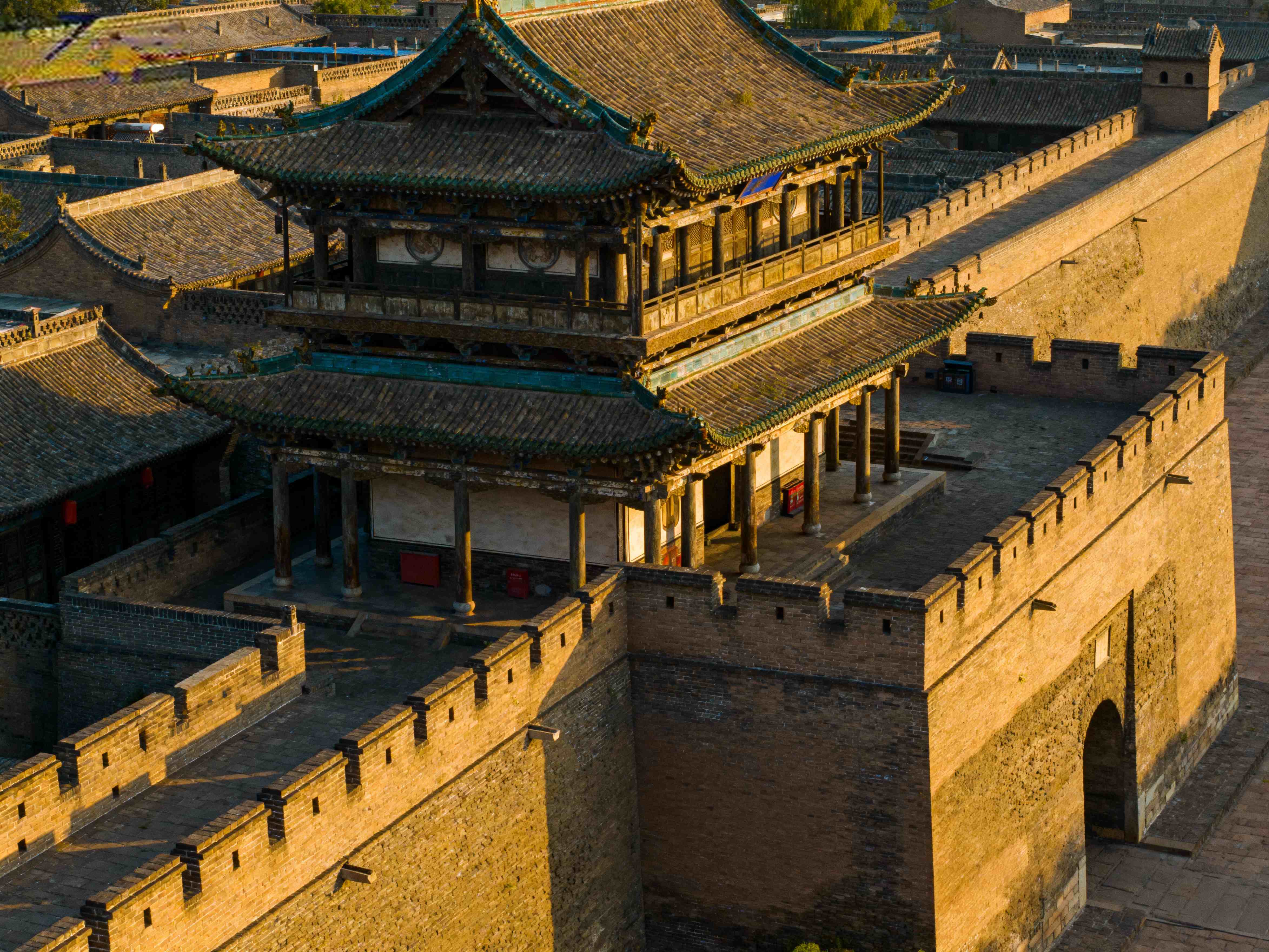
1. Pingyao Ancient City Wall
Included in $20 city passBest-preserved ancient city wall in China (2,700 years old). Walk or bike the 6km perimeter.
🚇 How to get there: Walk from any city gate
💡 Pro tip: Climb at South Gate for best views. Sunset walk is magical. Rent bike to cover full perimeter. Very well-preserved!
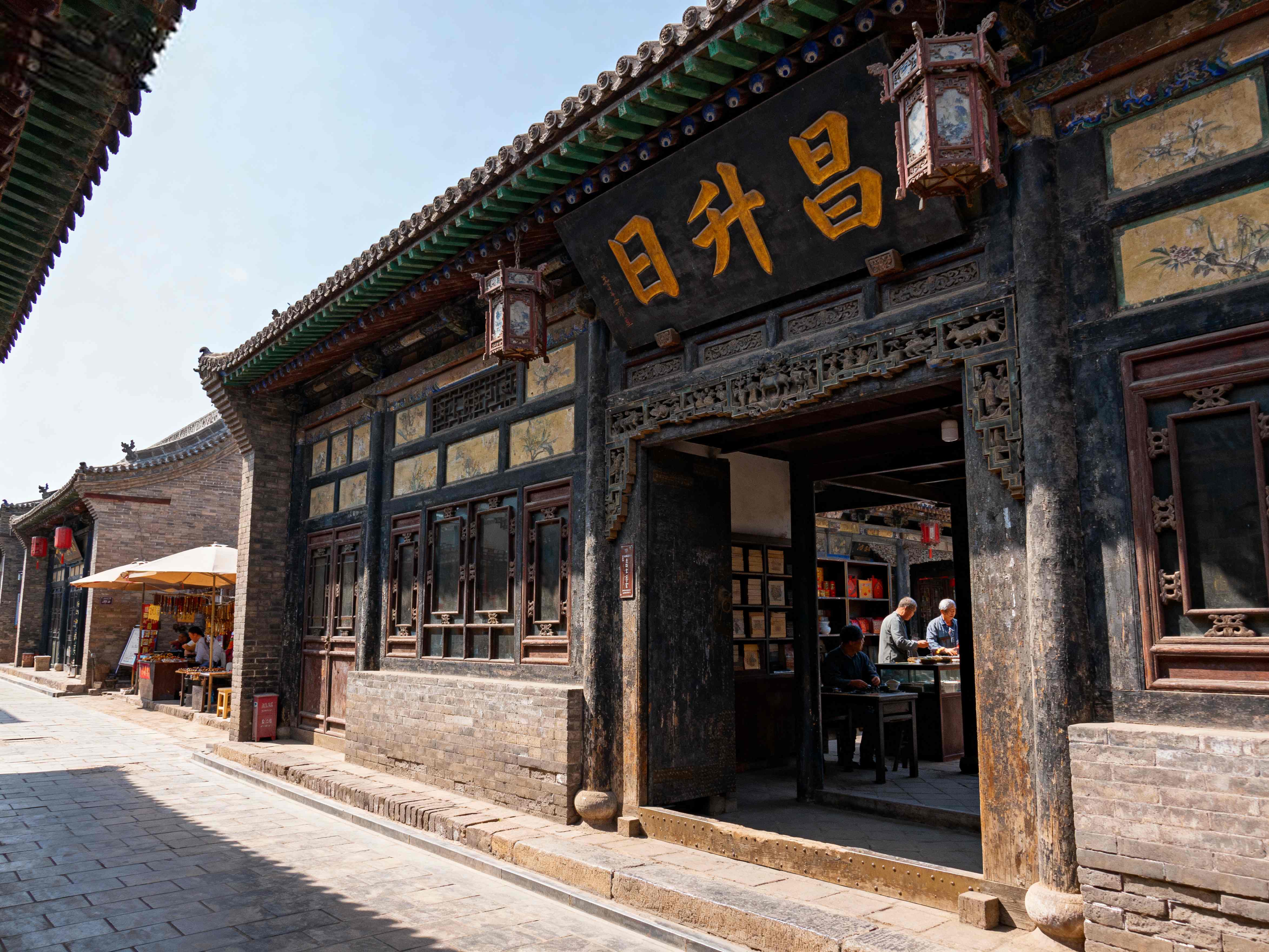
2. Rishengchang Bank Museum
Included in city passFirst draft bank in China (1823). Learn about ancient Chinese banking system.
🚇 How to get there: Walk in Old Town (West Street)
💡 Pro tip: Fascinating history of Chinese finance. Well-preserved courtyard architecture. English explanations available.
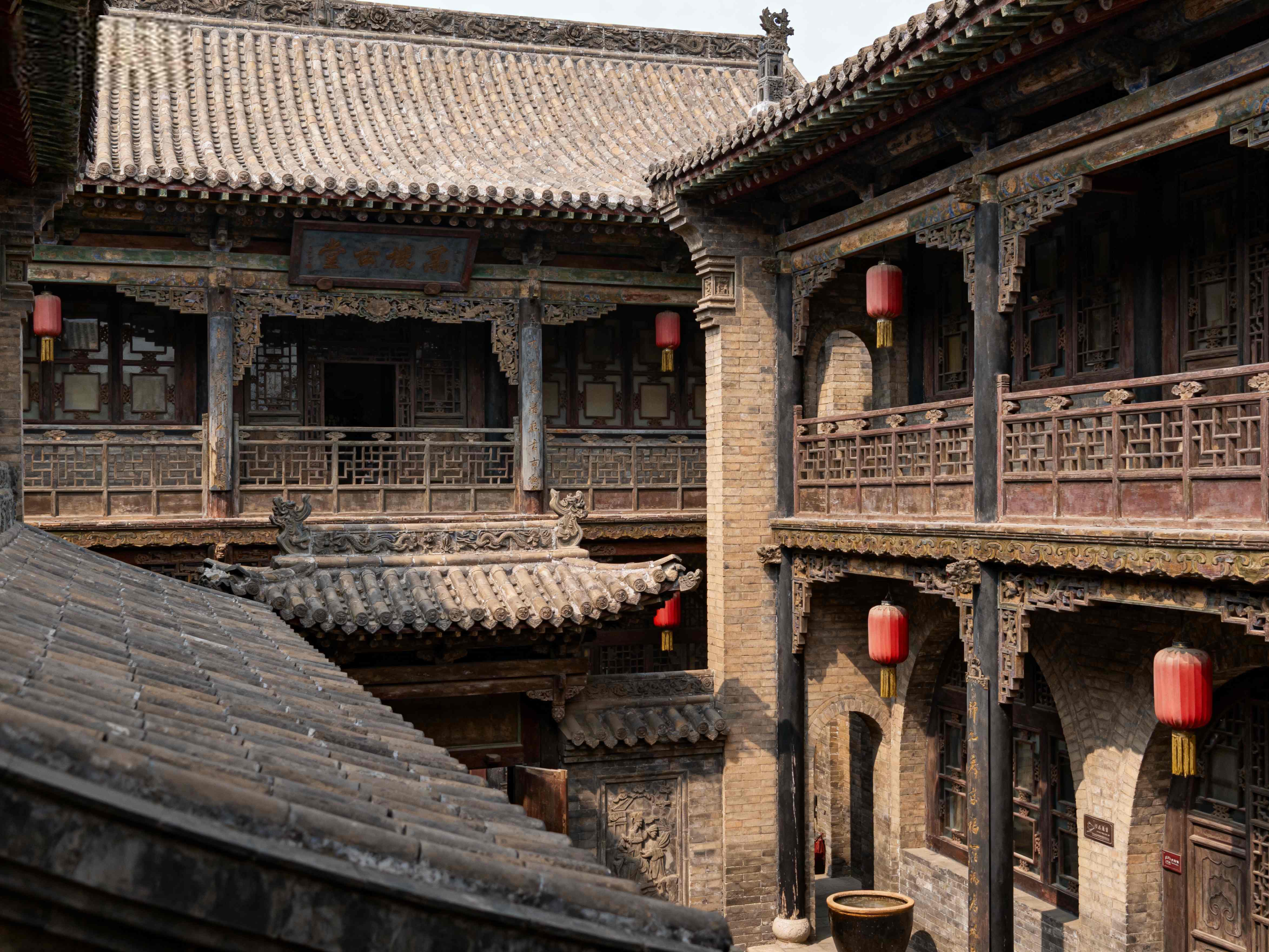
3. Wang Family Compound
$10 entranceMassive Qing Dynasty mansion complex. Larger and less touristy than Qiao Family Compound.
🚇 How to get there: Bus from Pingyao Bus Station (1 hour) or taxi
💡 Pro tip: Hire guide for stories ($15). Stunning architecture and courtyards. Bring comfortable shoes (lots of walking!).
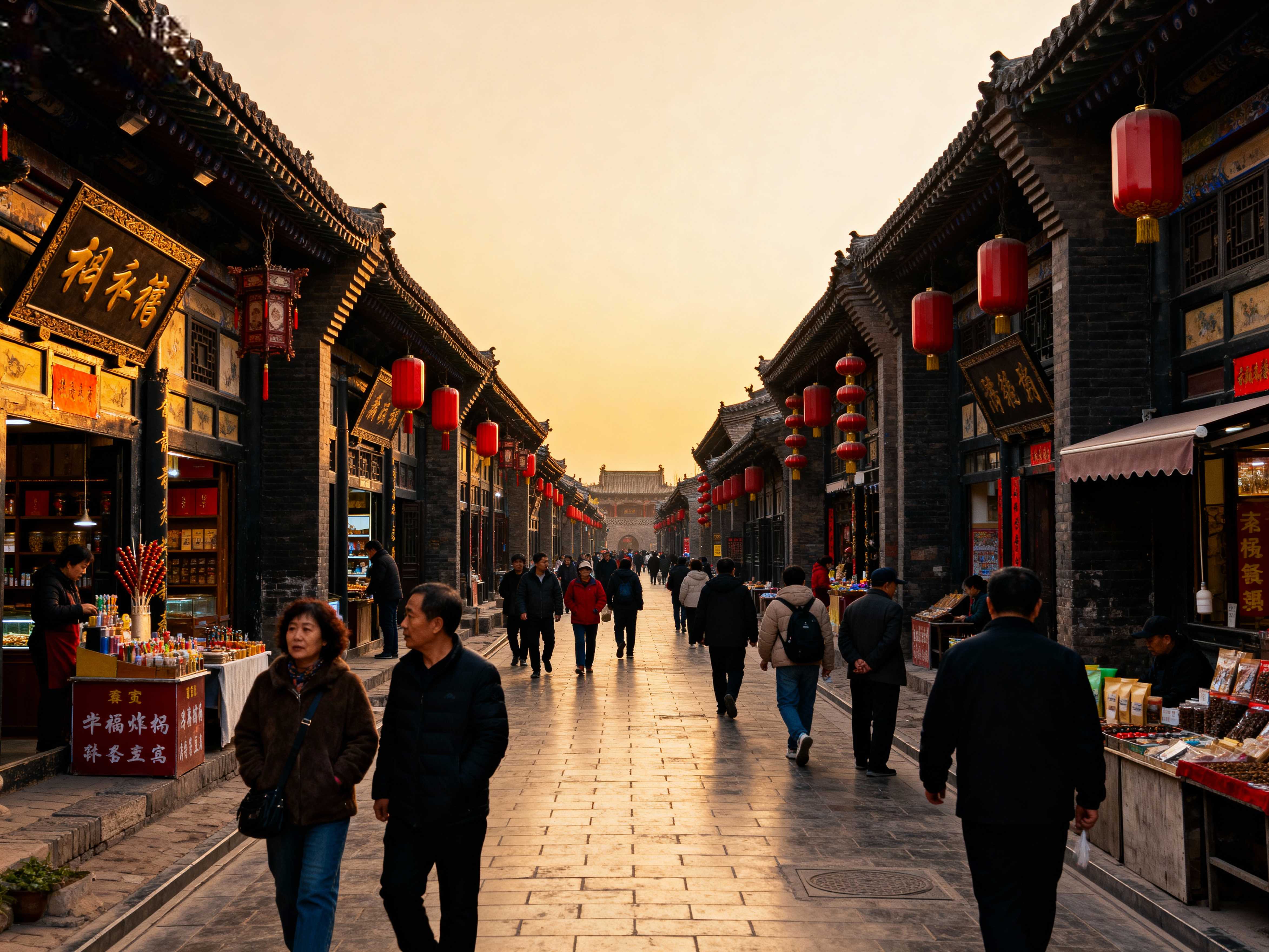
4. Ming-Qing Street
Free (shops/restaurants vary)Main pedestrian street in Pingyao Old Town. Traditional shops, restaurants, and architecture.
🚇 How to get there: Walk in Old Town
💡 Pro tip: Try Pingyao beef, bowl tuo (buckwheat jelly), and aged vinegar. Souvenir shopping. Best in evening with lanterns.
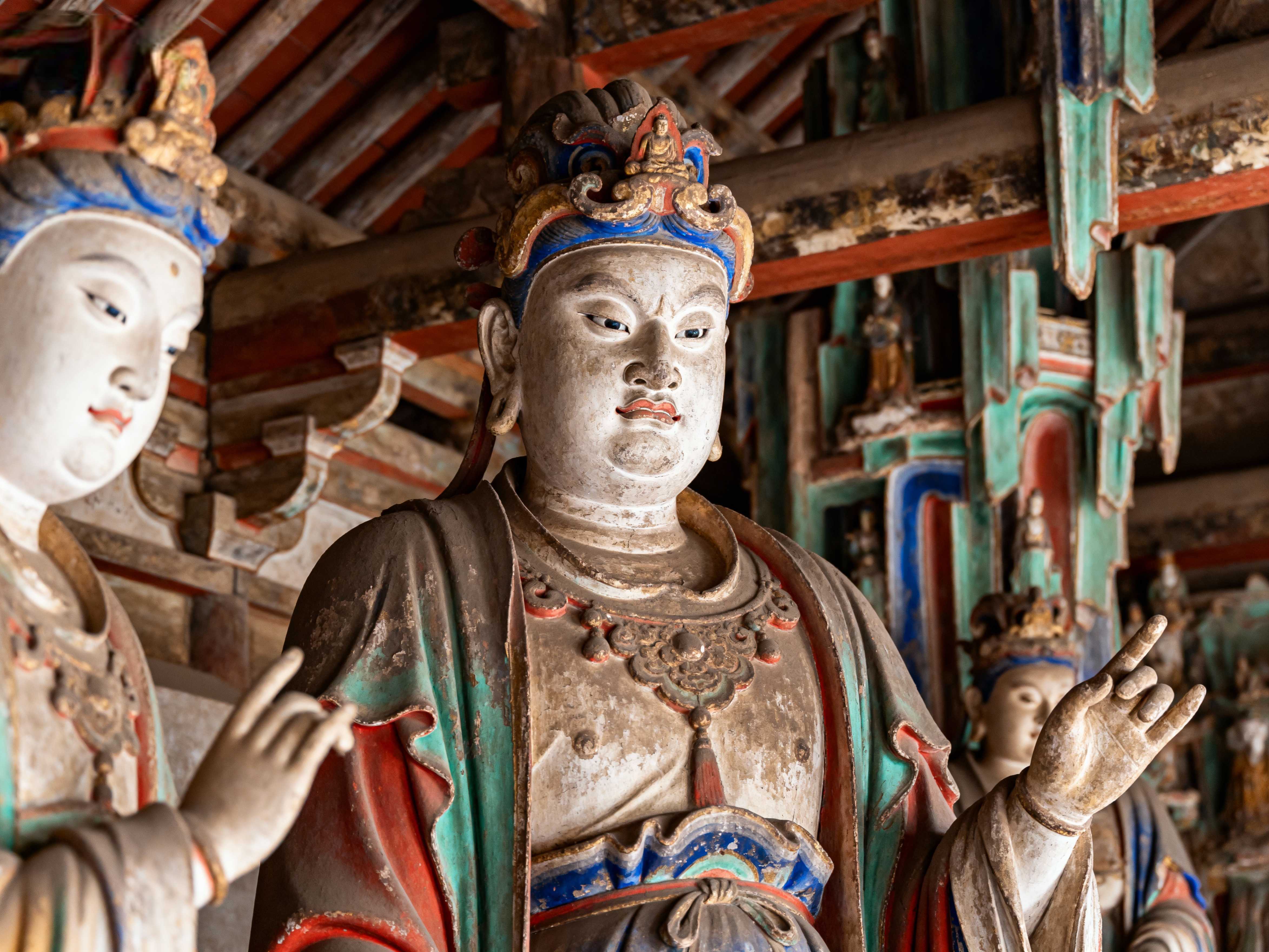
5. Shuanglin Temple
$7 entranceHidden gem with 2,000 painted clay sculptures from Song-Yuan dynasties. UNESCO World Heritage Site.
🚇 How to get there: Bus or taxi from Pingyao (15 min)
💡 Pro tip: Less crowded than city attractions. Sculptures are incredibly detailed. Photography allowed. Peaceful atmosphere.
Practical Travel Tips for Jinzhong (Pingyao)
Answers to the most common questions from Western travelers
Is WeChat Pay/Alipay mandatory? Can I use credit cards?
Most restaurants and shops prefer mobile payments, but tourist sites accept cash (CNY) and some take Visa/Mastercard. Our guide includes step-by-step WeChat Pay setup for foreigners (requires Chinese bank account OR use Tour Pass feature for tourists). ATMs are everywhere - Bank of China has best rates.
Is it safe for foreigners to travel alone in Pingyao?
Yes! Pingyao is very safe and tourist-friendly (UNESCO site). Main concerns: aggressive souvenir sellers on Ming-Qing Street, overpriced restaurants near main street (go to side streets), and rickshaw drivers overcharging (agree on price first). The ancient city is car-free and very walkable. Our deep version guide lists common precautions and anti-scam tips.
Where to stay? Hotels with English-speaking staff?
Stay inside Pingyao Ancient City in traditional courtyard hotels (best experience!). Recommended: Jing's Residence ($60/night, beautiful courtyard), Yide Hotel ($80, luxury), or budget guesthouses ($25-35). Some have English-speaking staff. Book ahead during holidays!
How to get from airport to city?
Nearest airport is Taiyuan (90km away). Airport bus to Taiyuan, then high-speed train to Pingyao Ancient City Station ($10, 30 min total 2 hours). Or Didi from Taiyuan to Pingyao ($30, 1.5 hours). Most tourists arrive by train from Beijing (4 hours), Xi'an (5 hours), or Datong (3 hours).
Can I eat street food safely? Vegetarian options?
Yes! Try Pingyao beef (sliced cold beef), knife-cut noodles, and youtiao (fried dough) on Ming-Qing Street. Everything is safe! Vegetarian? Buddhist restaurants near temples serve veggie dishes. Limited Western food options (this is a small ancient city).
Common scams to avoid?
Souvenir scams are most common - fake 'antiques', overpriced lacquerware, and aggressive sellers. Bargain to 30% of asking price. Also watch for: restaurants on main street charging tourist prices (go to side streets), rickshaw drivers overcharging (agree on price first, should be $3-5), and 'free' tea tastings (high-pressure sales). Our deep version PDF guide includes detailed descriptions of all common scams and how to avoid them.
My Personal Experience in Jinzhong (Pingyao)
I apologize for not having been to Pingyao yet, so I can only gather and share as much detailed information online as possible for you.
If many people are interested, I’ll make a special trip there and later update everyone with my first-hand experience of the city.
So far, I’ve visited nearly 150 cities across China.
If there are other cities you’d like to see or learn more about, feel free to email us through the contact page, and I’ll include them in future updates.
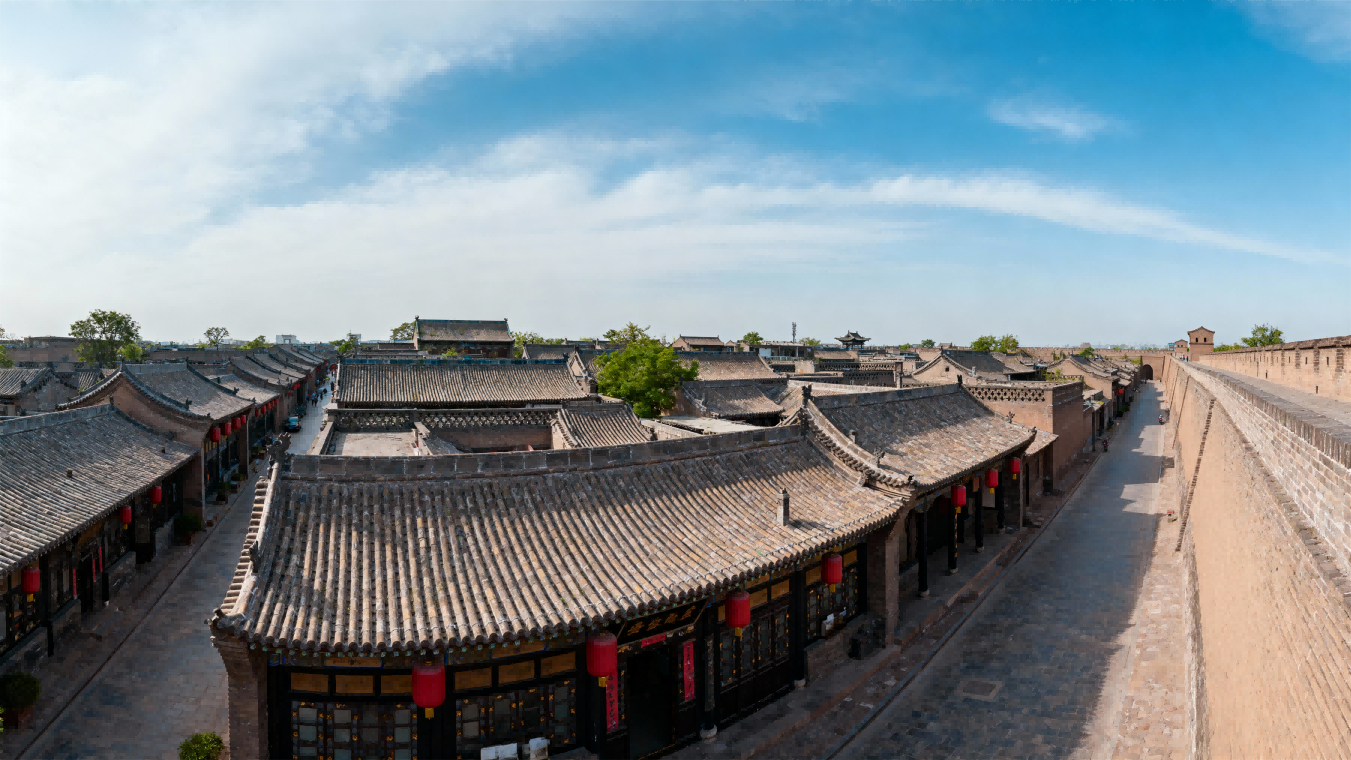
Pingyao Ancient City: A Living Chronicle Through the Ages
Pingyao Ancient City, located in southern Jinzhong, Shanxi Province, is a living fossil of Chinese urban history with more than 2,800 years of continuous heritage.
Perched on the southwestern edge of the Taiyuan Basin and the east bank of the Fen River, Pingyao covers about 1,260 square kilometers, with the core old town spanning 2.25 square kilometers.
As of 2023, the population stands at around 443,000.
As China’s best-preserved Ming–Qing county town, Pingyao represents an exceptional model of traditional Han Chinese urban planning.
Once hailed as the “Wall Street of China” during the Qing dynasty, its city layout, architecture, and economy together tell an unbroken story of civilization.
UNESCO describes Pingyao as “an exceptionally well-preserved picture of cultural, social, economic, and religious life.”
From its beginnings as a Western Zhou military fortress to its Qing-era prominence as a financial hub, and finally its modern rise as a global heritage destination, Pingyao mirrors the ebb and flow of Chinese civilization.
1. Geography and Culture: The Thousand-Year Soul of the “Turtle City”
Pingyao is nicknamed the “Turtle City” because its layout resembles a turtle shell—symbolizing longevity and stability.
The city walls, built in 1370 (the 3rd year of Emperor Hongwu’s reign), stand 12 meters high and 6.16 kilometers long. They feature six gates, 72 watchtowers (echoing Confucius’s 72 disciples), and over 3,000 battlements, all surrounded by a 4-meter-wide moat.
Inside the walls, streets follow a Chinese-character-like grid: four main roads, eight secondary streets, and seventy-two narrow lanes totaling about ten kilometers.
The central axis, South Street, was the commercial heart in the Ming and Qing dynasties.
Following feng shui principles and Confucian spatial order, the city was symmetrically planned:
City God Temple to the east,
County Government Office to the west,
Confucian Temple (Wenmiao) to the south,
Martial Temple (Wumiao) to the north.
Around 4,000 courtyard homes still stand today, reflecting harmony between architecture, ethics, and nature.
Cultural Heritage and Living Traditions
Pingyao preserves over 300 historic relics, including:
Zhenguo Temple, home to one of the world’s oldest wooden pagodas (Liao dynasty),
Shuanglin Temple, a treasure house of colorful clay sculptures—both part of the UNESCO World Heritage listing.
Traditional customs—such as the “Yingxun Gate” ceremony for weddings and funerals—blend Confucian, Buddhist, and Daoist influences.
Intangible heritage includes:
Pingyao beef (once served to Empress Dowager Cixi), polished lacquerware, dough figurines, and embroidered shoes—all recognized as national crafts.
Designated as a UNESCO World Cultural Heritage Site in December 1997 (No. 812, Criteria ii, iii, iv), Pingyao remains the only fully preserved county-level ancient city in Shanxi.
What makes Pingyao truly magical is its living continuity:
Over 20,000 residents still inhabit traditional courtyards.
The sound of the guqin and the calls of merchants still echo through the narrow streets—turning the entire city into a living museum.
2. Historical Timeline: From Fortress to Financial Empire
Early Foundations to Ming–Qing Prosperity (827 BCE – 1644 CE)
Pingyao’s origins date back to the Western Zhou (827–782 BCE), when earthen ramparts were first built to guard against northern invasions.
During the Spring and Autumn Period, it belonged to the states of Jin and Zhao; under the Qin, it became Pingtai County.
In the Han dynasty, renamed Zhongdu, it served as a regional capital.
By 424 CE (Northern Wei), it gained its current name: Pingyao, meaning “fortified peace.”
Through the Sui, Tang, Song, and Liao dynasties, Pingyao thrived as a border trade center.
The Liao built Zhenguo Temple; the Jin strengthened its walls; and in 1370, the Ming reconstructed the city into its present “earth-shaped” layout.
From the 15th century onward, the city prospered through agriculture, handicrafts, and Confucian education, giving rise to today’s classic Ming-style courtyard houses.
From the Qing Dynasty to the Modern Era (1644 – 2025)
In 1823, merchant Lei Lütai founded Rishengchang, China’s first draft bank (piaohao), marking the dawn of Chinese finance.
By the late 19th century, more than twenty similar firms operated in Pingyao, handling half of China’s domestic financial flows.
The grand Qiao Family Compound (built 1756) symbolized the height of Shanxi merchant wealth.
After Rishengchang’s collapse in 1914, the financial empire crumbled.
The city endured bombings during the Anti-Japanese War, and the Cultural Revolution damaged many relics.
Restoration began in 1979, and Pingyao was designated a National Historic and Cultural City in 1986.
In 1997, it was added to the UNESCO World Heritage List, gaining global recognition.
A 2004 wall collapse spurred heritage reforms, and by 2015, Pingyao had become a 5A-level tourist destination.
Today, events such as the Pingyao Chinese New Year Festival blend tradition and technology—symbolizing the city’s vibrant renewal.
Pingyao’s journey reads like an epic—from fortress to financial capital to cultural beacon—every brick echoing the rhythm of Chinese history.
3. Economic Evolution: From Merchant Capital to Tourism Powerhouse
Pingyao’s economy mirrors China’s broader modernization.
Ancient to Qing Era (221 BCE – 1912 CE):
Initially agricultural, the city rose as a financial hub in the Qing dynasty.
Shanxi merchants pioneered draft banking (piaohao)—an early Chinese precursor to modern banking.
By the late 1800s, Pingyao’s institutions managed over 50% of China’s financial transactions, fueling trade in silk, tea, and salt.Republican Era to Cultural Revolution (1912 – 1976):
The financial decline forced a return to small-scale farming.
Wars further weakened the economy and infrastructure.Reform Era to Today (1978 – 2025):
Tourism revived the city.
During the 2007 “Golden Week”, Pingyao earned 95 million RMB in one week.
By 2023, GDP reached around 20 billion RMB, with tourism income over 10 billion RMB and five million annual visitors.
Agriculture now focuses on beef and rice wine, while handicrafts and energy complement a thriving service sector.
By 2025, new digital heritage projects, like the Virtual Bank Museum, continue to expand the cultural tourism economy.
Modern Pingyao strives to balance preservation and progress, avoiding the pitfalls of over-commercialization.
4. Modern Transformation: Protecting and Reviving the Living City (1979–2025)
Since joining the UNESCO list, Pingyao has transformed from a sleeping ancient town into an international heritage destination.
Although the population declined from 503,000 (2010) to 443,000 (2023), tourism has continued to flourish.
Preservation Efforts
Over 10 billion RMB has been invested in restoration since 1986.
After the 2004 wall collapse, the Pingyao Ancient City Protection Ordinance (2014) was enacted.
Collaborations with Tongji University and UNESCO have upgraded infrastructure—installing modern sewage, power, and lighting systems—while converting unused courtyards into museums and community spaces.
According to a 2025 Guangming Daily report, residents now enjoy better living conditions and fair tourism management—no forced sales, no exploitation.
Tourism and Cultural Innovation
Granted 5A status in 2015, Pingyao now hosts the annual Pingyao Chinese New Year Festival (Jan 22–Feb 13, 2025), themed “Chinese Year, Global Celebration.”
The event merges traditional temple fairs, AR immersive experiences, and international exhibitions.
Major attractions include:
Rishengchang Bank,
Qiao Family Compound (featured in Raise the Red Lantern),
Pingyao County Government Office.
Entrance to the ancient town is free, while a 125 RMB pass covers all scenic spots.
Between 2023 and 2025, digital ticketing and the “Trust + Tourism” initiative have improved the visitor experience.
Challenges and Outlook
Overcrowding was once a serious issue—during holidays in 2007, visitors reached 2.5 times capacity.
Now, intelligent management systems and digital crowd control distribute visitors more evenly.
The 2025 China Cultural Tourism Development Report predicts Pingyao will further expand its Culture + Technology strategy, including VR merchant simulations—a model for sustainable heritage tourism worldwide.
Conclusion: The Timeless Charm of Pingyao
From the war drums of the Western Zhou to the silver vaults of the Qing bankers, and now to the digital lights of the 21st century, Pingyao grows richer with time—like aged wine.
It is not only a mirror of China’s past, but also a living wellspring of culture.
UNESCO experts call it “a living specimen of ancient Chinese urban civilization.”
Meanwhile, the laughter of its residents keeps that civilization alive.
If you plan a visit, spend three to five days:
climb the city walls by day, explore the old banks and museums, savor Pingyao beef, and listen to traditional music by night.
Avoid the crowded Golden Week holidays—winter, especially during the Pingyao Chinese New Year Festival, offers the most poetic experience.
Comments (0)
Frequently Asked Questions About Jinzhong (Pingyao)
Real questions from travelers planning their trip
Q1: What are the biggest mistakes Western visitors make in Pingyao, and how can I avoid them?
Mistake #1: Only spending 1 day (stay 2 nights to experience the ancient city properly). #2: Not visiting Wang Family Compound (more impressive than Qiao Family Compound). #3: Eating at overpriced restaurants on Ming-Qing Street (go to side streets). #4: Not staying in a traditional courtyard hotel (best experience!). #5: Skipping Shuanglin Temple (amazing sculptures, few tourists). #6: Not walking the complete city wall at sunset.
Q2: As a foreigner, how long can I stay in China visa-free? Where can I check this information?
Visa-free duration varies by nationality (typically 15-30 days for eligible countries). Check official sources: a) Ministry of Foreign Affairs of the People's Republic of China - Consular Service website, b) National Immigration Administration of China official platform, c) Chinese Embassy/Consulate in your home country. Requirements and eligible countries change frequently, so always verify before booking flights.
Q3: Do I need travel insurance for China, and what should it cover?
Yes, highly recommended! Your insurance should cover: medical emergencies (hospitals may require upfront payment), medical evacuation, trip cancellation/interruption, lost luggage, and personal liability. Ensure it covers adventure activities if you plan hiking (Great Wall) or skiing. Some policies exclude pre-existing conditions. Recommended providers: World Nomads, SafetyWing, or Allianz. Cost: $30-80 for a week. Keep policy documents offline as you may not access cloud storage without VPN.
Q4: Is Didi (China's Uber) safe and easy for foreigners?
Yes! Didi is safe, affordable, and foreigner-friendly. Download the app before arrival and link an international credit card or Alipay/WeChat Pay. The app has English interface. Drivers may not speak English, but the app translates your destination. Safety features: GPS tracking, driver ratings, emergency button. Cost: 50-70% cheaper than taxis. Pro tip: Screenshot your destination in Chinese to show drivers if needed. Avoid unlicensed 'black cabs' at airports.
Q5: Do all hotels accept foreigners, or are some 'Chinese only'?
Not all hotels can accept foreigners - they need a special license to register foreign passports. International chains (Hilton, Marriott, Hyatt) and most 3-star+ hotels in major cities are licensed. Budget hostels and small guesthouses may not be. Always confirm when booking: look for 'accepts foreign guests' or ask directly. Bring your passport - hotels must register you with local police within 24 hours (standard procedure, not concerning).
Ready to Experience Jinzhong (Pingyao) Like a Local?
Choose the guide that fits your travel style
Deep Version Guide PDF Highlights
✓ Instant download ✓ Mobile-friendly PDF ✓ Free lifetime updates ✓ 7-day money-back guarantee
Latest Travel Tips
Explore More Destinations
Discover other amazing cities in China with our comprehensive travel guides